Here’s the new edition of The Weekly Connect. Check it out and sign up to have it delivered to your inbox!
State-funded preschool enrollment and spending reached record levels in the 2024–25 school year, while quality benchmark attainment remained limited.
Multiple states and school districts have introduced policies to limit classroom screen time across grade levels.
Advocates in New York City have proposed funding solutions to address transportation access challenges for students in foster care.
Research and Practice
The International Association for the Evaluation of Educational Achievement: Girls Losing Ground: The Widening Gender Gap in Mathematics
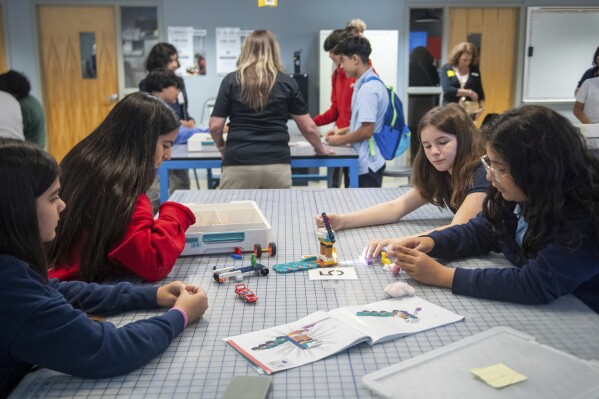
IEA released a research brief on how gender gaps in math achievement have changed over time. Historically, girls’ math performance has been significantly behind boys, though recently, in some countries, the gender gap has decreased. According to new findings examining the Trends in International Mathematics and Science Study, girls again have worse performance compared to boys. The researchers examined data from fourth and eighth-grade students’ math achievement between 1995 and 2023. In 2019, 44% and 10% of education systems around the world had math gaps favoring boys in fourth grade and eighth grade, respectively. In 2023, the percentages increased to 81% and 47%. These findings reveal current math disparities that are parallel to gaps found 30 years ago. The researchers highlight ways to lessen gender disparities in math, such as improving girls’ mindsets, gender-responsive pedagogy in the classroom, and exposing girls to more female mathematician role models.
The Journal of Child Psychology and Psychiatry: Well-Being Decline During Adolescence: School Transition as a Predominant Driver Beyond Age Progression
Previous literature has found that students’ well-being declines when students enter secondary school, but it is unclear whether this may be impacted by how old a student is at the time of transition. In 2022, the state of South Australia shifted the beginning of secondary school from Year 8 (age 13-14) to Year 7 (age 12-13). This change in school makeup allows researchers from Adelaide University in Australia to measure the difference in children’s well-being when beginning secondary school between the ages of 12 and 14. The study examined over 20,000 children’s responses to eight well-being domains. Well-being declined after going into secondary school for both the older and younger cohorts, suggesting the negative toll the transition has on students, regardless of age. In the first two years after the transition, adverse changes were noted across all well-being measures, with the largest declines in cognitive engagement and perseverance.
K-12 Dive: State-Supported Pre-K Enrollment at Record High
According to the State of Preschool 2025 report from the National Institute for Early Education Research (NIEER), state-supported preschool education received the most funding and had the highest enrollment in the 2024-25 school year. State spending increased by $800 million compared to last year. Across the country, 37% of four-year-olds and 9% of three-year-olds were enrolled in state-funded programs. Forty-six percent of all children in state-funded preschools came from four states: California, Florida, New York, and Texas. Spending was focused on increasing enrollment, though quality standards did not improve, with only six states meeting the NIEER’s criteria. Quality is measured through specific benchmarks, such as having “comprehensive, aligned, supported, culturally sensitive” practices, teachers with a bachelor’s degree specializing in pre-K, and a maximum class size of 20 or lower. The report highlighted Georgia as the first universal pre-K program to meet all ten of NIEER’s quality benchmarks.
See also: America’s Licensed Child Care Deserts
Policy
The New York Times: Civil Rights Cases Slow at Education Dept. Amid Trump’s Overhaul
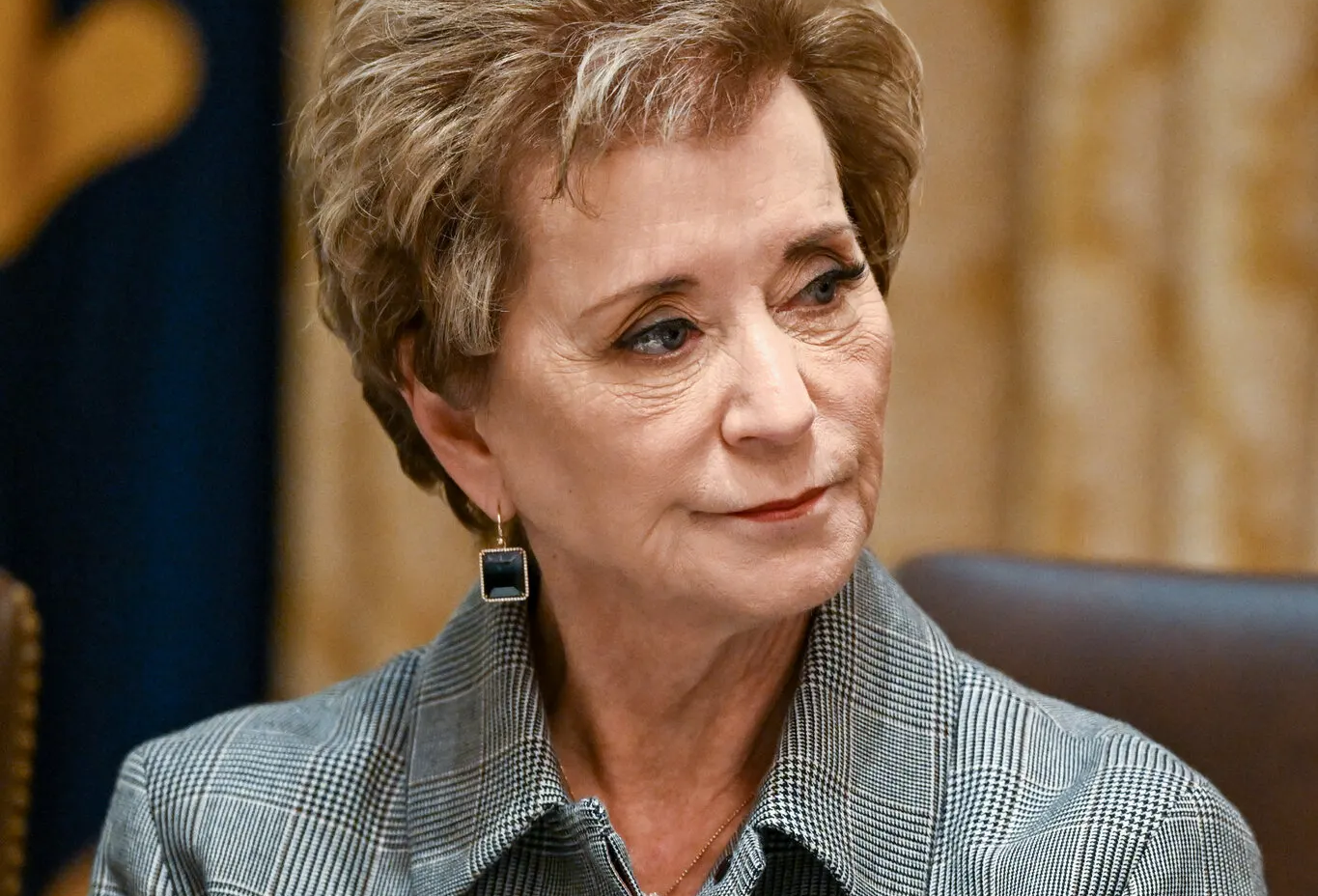
The Education Department resolved 30 percent fewer school discrimination cases in 2025 than in 2024, the largest decline in more than three decades. Typically, half of the discrimination cases reported to the Office of Civil Rights are filed on behalf of students with disabilities, with other cases covering discrimination due to race, national origin, or gender identity in an education setting. In the past year, fewer than 1 percent of investigations provided relief to students, and in 15 states, no resolution agreements were reached. Now, 20,000 students are waiting to hear about the status of their claims. The Education Department has closed seven of 12 regional civil rights offices and fired numerous civil rights lawyers. Next year’s White House budget proposal submitted to Congress would cut civil rights staff further.
National Public Radio: Several States — and the LA Public Schools — Are Setting Limits on Screen Time
In the past year, cities and states have increasingly passed legislation to limit screen time in the classroom. The Los Angeles Unified School District (LAUSD), the nation’s second largest, voted unanimously to limit screen time for all grade levels, including eliminating it entirely for elementary-age students. Alabama, Tennessee, Utah, and Virginia have also passed legislation on using technology for instruction and assessment, with other states following suit. In Missouri, the state House passed a bill limiting screen time to 45 minutes each day as well as mandating cursive writing instruction. It is now on its way to the state Senate. Like LAUSD’s policies, the bill had strong bipartisan support, though policymakers believe implementing these changes in the next two school years is unfeasible. This new legislation comes amidst schools’ increased use of technology since the pandemic and the development and safeguarding of AI in the classroom.
See also: Five Things to Know About Largest Cell Phone Ban Study
Around the Nation
National Public Radio: Why Emotional Disturbance, a Special Ed Category, is a Double-Edged Sword for Students
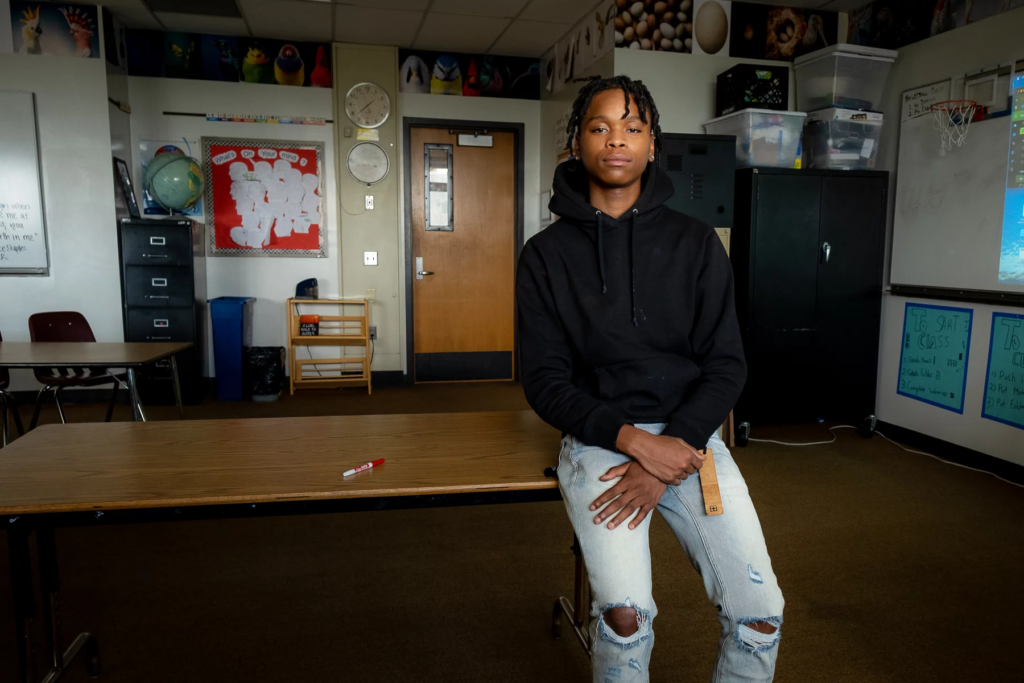
Students who need special education services not because of a learning or developmental disability, but because they are too disruptive in the classroom, are diagnosed with an emotional or behavioral disorder. States use different labels to describe this special education category. In Minnesota, students are labeled as EBD (standing for emotional or behavioral disorders), while on the federal level, students have emotional disturbance. This label is considered the most subjective category of education, and therefore, classifications are inequitable. Students with EBD are more likely to be low-income students of color and educated separately from their peers. Later in life, they are more likely to be incarcerated and less likely to support themselves financially. Educators report that separating them from other students not only reinforces negative behavior or creates more segregation in the classroom, but also teaches students that they are “a bad kid.”
Chalkbeat: Advocates Call for $3 Million Fix for School Transportation Hurdles Faced by Students in Foster Care
Students in foster care experience some of the worst educational outcomes compared to their peers, with a 41% graduation rate and over half of students classified as chronically absent. In New York City, students in foster care face challenges when travelling to and from school. They have a legal right to receive transportation to school regardless of the distance, but often are not allowed to use a school bus service or a MetroCard because they cannot ride to school alone. A new program run by the Education Department matches students to a bus route, but it can still take weeks or months for the service to start. Advocates have proposed alternatives for foster children to get to school for free, as they “should be able to rely on continuous, consistent access to school as a critical source of stability.” Some ideas include using vehicles owned by a child welfare agency, a car service created for school transportation, or hiring aides to take the students to school.