

Latest Posts

October 22, 2026Stephanie Sanabria has always felt called to serve her community. The Westfield, Massachusetts, native has dedicated her life and, as her colleagues call it, boundless energy, to improving the lives of children and families. Whether inspiring movement as a Zumba instructor, teaching a class at Springfield College, volunteering and fundraising to support her community, pursuing her doctorate, or overseeing City Connects in nearly 30 schools in Springfield, Sanabria is a constant source of support for her community.
“This is what I love to do. Because of my faith, my upbringing, and my education at Boston College, I feel like I'm on this earth to serve. Doing this through education, through fitness, through different organizations that I volunteer with—it feels like this is what I'm supposed to be doing every day,” Sanabria said.It’s no surprise that the Westfield Puerto Rican Association chose to honor Sanabria at their 32nd annual Puerto Rican Flag-Raising Ceremony. Held during National Hispanic Heritage Month, the event celebrates Westfield’s Puerto Rican community and serves as an opportunity to recognize the accomplishments of an exemplary community member.“The Westfield Puerto Rican Association’s mission is to preserve and promote Puerto Rican culture, support education, and strengthen our community. And Stephanie embodies every part of that mission,” said Laura Castro, who recognized Sanabria at the event. “Stephanie is exactly who this honor is for.”
“When I first learned that I would be recognized, I was shocked,” Sanabria said in her thank you speech at the event. “One of the first things I said was ‘what have I done to deserve this?’ I’ve had an opportunity to reflect on that question. I realized that sometimes we become so busy living our lives, doing the work in front of us, caring for others, and simply trying to leave things a little better than we found them, that we don’t always recognize the impact we may be having along the way.”
Sanabria’s impact has been widespread. Over the past decade, she has supported thousands of students and families as a City Coordinator and Program Manager. She has overseen City Connects across a large urban district, helping connect students with vital supports and critical opportunities.
“Stephanie has an extraordinary heart for giving back and immersing herself within the community., so it comes as no surprise at all that she is being celebrated,” said Cynthia Scheller, City Connects’ Director of Student Support Programs and Practice. “As a Program Manager, her dedication is relentless: she wants to make sure students have what they need, that families receive the resources they need w and that her Coordinators feel empowered and supported. She wants principals to feel connected and understand what's going on with City Connects and their building. She doesn’t stop, and she does it all with a smile.”
“I’ve had the true pleasure of working with Stephanie for the last three years, and she is an absolute cornerstone of our team. As a Program Manager, she goes well beyond her core duties—not only ensuring our work is being implemented, but constantly inspiring us to keep kids at the heart of everything we do. Whether she's jumping in to support a colleague or brainstorming creative solutions to tricky problems, Stephanie leads with kindness and empathy. Most importantly, she truly cares about every single person she meets and has an incredible ability to make everyone feel seen, supported, and capable,” said Jillian O’Neill, City Connects’ Senior Manager of Coaching and School Partnerships.
When she was a City Connect Coordinator, Sanabria fostered a critical partnership with A Bed for Every Child, an initiative run by the Massachusetts Coalition for the Homeless. Over the years, she procured beds for hundreds of children, including many who came to Springfield after losing their homes to hurricanes in Puerto Rico and Florida.
“If we can provide a bed for a child to get a good night of sleep, that can set them up at least in some way for a successful day,” said Sanabria, who is now on the Board of Directors for the Massachusetts Coalition for the Homeless.Being honored by the Westfield Puerto Rican Association is especially meaningful for Sanabria, whose mother received the same honor just a few years ago.
“To follow in her footsteps is something I could never have imagined,” Sanabria said at the event. “To stand here beneath the Puerto Rican flag and be recognized by the very community that helped shape me carries an incredible sense of pride. I am proud of where I come from, proud of what our community contributes, and grateful that in my own way, I can now contribute to that story as well. I hope that through my work, my relationships, and simply the way I show up in the world, I can leave a positive mark—just as my mom and so many others before me have done.”
The October 4 event happened to fall on Sanabria’s 40th birthday, making her one of the younger people recognized over the last 32 years. “This is coming at a point in my life where I feel like I'm only just getting started,” Sanabria said.
"I'm looking at how I can do more or how I can do this work in a deeper and more meaningful way. I want to continue doing this for 40 more years. " [...]
Read more...

October 19, 2026Here’s the new edition of The Weekly Connect. Check it out and sign up to have it delivered to your inbox!
.LGBTQ+ youth face higher mental health risks, especially those with multiple minority identities.
Trump Accounts aim to build children’s long-term financial security.
Missouri’s EDGE microschool reports improved attendance and academic performance.
Research and Practice
Development and Psychopathology: Developmental Trajectories of Internalizing and Externalizing Behaviors in LGBTQ+ Youth in the ABCD StudyPast research has consistently found that sexual minority youth have increased levels of depression, anxiety, and suicidal ideation compared to their heterosexual peers. This study aimed to strengthen evidence on the developmental trajectories of internalizing and externalizing behaviors among LGBTQ+ youth. Data were analyzed for over 10,000 youth through the Adolescent Brain Cognitive Development Study, with assessments between nine and 13 years old. Participants and their parents completed surveys on sociodemographics, LGBTQ+ identification, and youth mental health. The researchers found that LGBTQ+ youth had higher internalizing and externalizing behaviors at age nine and ten, with more rapid impacts over time, compared to non-LGBTQ+ respondents. Youth who had more than one minority identity had the most rapid increases in internalizing and externalizing symptoms, whereas gender-questioning youth had high early distress compared to their peers. The researchers recommend future studies investigate how identity, development, and the surrounding policy environment interact to shape mental health for LGBTQ+ youth.
Stateline: CDC’s Latest Youth Behavior Report Offers a Narrower Look at Teen HealthThe U.S. Centers for Disease Control and Prevention has surveyed U.S. high school students on their health and behavior for over 35 years. The Youth Risk Behavior Survey measures ninth- through twelfth-graders every two years, with topics ranging from substance use to violence and mental health risks. The 2025 report focused on five areas: diet, physical activity, sleep, digital behavior, and mental health and suicide risk. Researchers found that fewer respondents experienced persistent feelings of sadness or hopelessness and were less likely to consider attempting suicide or making a suicide plan compared to recent years. Other indicators of youth health, including physical activity, sleep duration, daily breakfast consumption, and social media usage, have worsened since 2023. The focus on these indicators is aligned with federal government priorities through the Make America Healthy Again initiative. Several topics of past reports, such as trends in alcohol and drug use and sexual activity, were not part of the report's key findings.
Policy
ABC News: Trump Announces 'Historic' Enrollment of 70 Million Children into Trump AccountsSeventy million children in the United States are now enrolled in Trump Accounts, with 60 million automatically enrolled and 10 million opted in by their parents. Each child born between January 1, 2025, and December 31, 2028, will receive a one-time $1,000 contribution. The accounts are designed to boost financial security for children once they turn 18, when they can use the money for pre-specified purchases, such as college tuition or purchasing a house. Children born outside of the four-year range will not receive the amount from the Treasury, but family members can deposit money into their accounts instead. Other companies and philanthropists have also donated to the accounts, including those who have pledged funds for their employees’ children. Republican and Democratic lawmakers supported the new policy, with similar ideas being proposed in the past.
K-12 Dive: Trump Administration Threatens Federal Funds Over Mental Health ScreeningsNew guidance from the Trump administration requires schools to provide prior notification to parents and their written consent before administering any mental health screenings to students. The Department of Education and the Department of Justice first issued a Dear Colleague letter and then released additional information to state attorneys general. According to the departments, schools are not allowed to opt out, as noncompliance infringes on rights outlined under the Family Educational Rights and Privacy Act and the Protection of Pupil Rights Amendment. The administration continues to explore privacy laws related to LGBTQ+ students, including school policies that tell employees to privately ask students about their gender identity or how they want to be referred to when communicating with their parents. Current investigations are in California, Colorado, and Washington. The Education Department plans to amend regulations for the enforcement of both laws by September, though no changes have been made yet.
Around the Nation
The 74: Missouri’s EDGE Microschool ‘Breaks Education as We Know It,’ but Also Fixes ItEmpowering Discovery of the Global Experience (EDGE) is a microschool located within a larger high school in Liberty, Missouri. The 82-student program builds student and teacher relationships in small group settings, allowing both groups to learn and teach in more flexible ways. Students take the majority of their courses within the microschool and extracurriculars in the larger high school, which gives them more opportunities for learning different subjects. They also vote on a two-month project that builds hands-on skills; this year, they are investigating invasive species. Students demonstrate their learning and mastery of skills through competency, rather than time spent in the classroom or their exam scores. After six years of the program, researchers have found that while student demographics are comparable between EDGE and traditional high school students, EDGE students attend school more consistently and have higher English, math, and ACT scores.
The Washington Post: Students Created a Program to Make Walking Safer — and Schools Are Now Using ItStudents at Thomas Jefferson High School for Science and Technology in Alexandria, Virginia, developed a program called SafeWalkr to help Fairfax County students travel safe walking routes to and from school. After one of the students embarked on an unsafe run after school without sidewalks, the team of three developed the program at the school's 24-hour hackathon challenge. They won the competition and spent seven months fine-tuning the program in Python, JavaScript, and C++ to build an algorithm that considers safety factors, including which streets have sidewalks and which side of the road to walk on. Research has found that as cars are given priority on the roads, the number of students who walk or bike to school has decreased significantly. The region has also experienced several traffic incidents involving students in the school year, including a 13-year-old student killed while biking. Depending on the success of the pilot program, the students aim to expand to all 200 schools in Fairfax and other nearby counties.
SEARCH
Newsletter sign-up [...]
Read more...
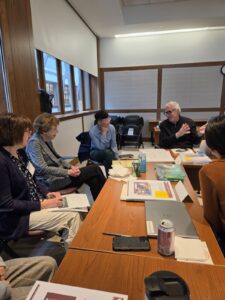
October 16, 2026In its mission to discover new ways to improve educational outcomes for all students, the U.S. Department of Education encourages researchers to ask big questions. That’s why the Mary E. Walsh Center for Thriving Children at Boston College and the Indiana Department of Education are collaborating to understand how comprehensive student support can help students and schools succeed.
Supported by a research grant from the Department’s Institute of Education Sciences (IES), the project examines student achievement and engagement following pandemic disruptions and investigates the role of City Connects in addressing gaps in student outcomes and access to resources in Indiana.
To help answer these questions, the Center collaborates with advisors whose expertise strengthens the research, including Boston College colleagues and external experts who serve on the project’s advisory committee, which met this week at Boston College.
Over two days, colleagues at the Center and members of the advisory committee for the project, Centering the Whole Child: Understanding the Role of Comprehensive Student Support in Promoting Student Learning and Equity in Indiana, met to discuss research findings and related learnings resulting from this grant.
The committee draws on the expertise of internal advisors, including Boston College’s Henry Braun, alongside external advisors Damian Betebenner, Center for Assessment; Spyros Konstantopoulos, Michigan State University; Nathaniel Schwartz, Brown University's Annenberg Institute for School Reform; and Chunyan Yang, University of Maryland College of Education.
Researchers from the Center reported findings indicating positive effects on student achievement and attendance in City Connects schools in Indiana as well as educators’ and practitioners’ perspectives on how City Connects supports students and families. The advisory committee engaged in fruitful conversations to refine analyses and manuscripts, drawing on advisors’ expertise to strengthen the empirical rigor of quantitative and qualitative analyses and the interpretation of findings.
Participants also discussed how to sustain and extend this research and its dissemination in the future, with a focus on how the work can be used to inform decision-making in Indiana and guide City Connects’ work more broadly.
The research discussed at the meeting draws on the work of City Connects practitioners, schools, families, and students over multiple years. In addition to discussions among advisory group members, the meeting featured a panel conversation with City Connects Director of Student Support Program & Practice Cynthia Scheller and Executive Director of Integrated Student Support & Center Strategy, City Connects Midwest, Jillian Lain, about implications for practice.
IES is the independent, non-partisan statistics, research, and evaluation arm of the U.S. Department of Education. Its mission is to provide scientific evidence on which to ground education practice and policy and to share this information in formats that are useful and accessible to educators, parents, policymakers, researchers, and the public.
The research reported here was supported by the Institute of Education Sciences, U.S. Department of Education, through Grant R305S230013 to Boston College. The opinions expressed are those of the authors and do not represent views of the Institute or the U.S. Department of Education. [...]
Read more...
October 13, 2026Here’s the new edition of The Weekly Connect. Check it out and sign up to have it delivered to your inbox!
National progress in reducing chronic absenteeism slows in 2025.
Federal Tax Credit Scholarship Program to expand education funding options in 2027.
Utah program encourages parents to support preschool math learning at home.
Research and Practice
Journal of Child Psychology and Psychiatry: Change in the Severity and Impact of Child Psychiatric Disorders Over 3 Years: An Analysis of Trends Using the National Child Mental Health Surveys of England From 1999, 2004, and 2017The number of children and adolescents with psychiatric disorders has increased in recent years; one in six children in England now have a diagnosis. The present study is the first to test mental health and functional outcomes of children over time with diagnosed psychiatric disorders. The researchers used a sample of participants aged five to 13 who completed a survey in 1999, 2004, or 2017, and a follow-up assessment three years later. Findings indicate that children in 2017 were more likely to experience worse mental health in their three-year follow-up compared to children from previous surveys. Additionally, children with a psychiatric disorder had worse mental health and functional outcomes in 2020 compared to previous cohorts. Because the final assessment of participants was conducted in the summer of 2020, during the pandemic, these results should be interpreted cautiously. Future research should continue to examine the increase in psychiatric disorders among children, which the researchers say is a "major public health concern."
Child Trends: Health Care Access and Special Care Needs Are Associated With Developmental Well-Being at Age 3New research from Child Trends, a nonprofit research organization, found that three-year-olds with access to high-quality health care had improved well-being compared to those without health care access. The researchers analyzed data from the National Survey of Children's Health, a nationally representative survey, which included parent-reported measures of their children's developmental well-being (measured in five domains: early learning skills, social-emotional, self-regulation, motor, and health skills) and healthcare access and quality. A child with a medical home—a consistent place to receive medical care—was associated with higher odds of being "on track" for overall developmental well-being. Children with special health care needs, which are defined as those needing prescription medication or having more complex medical needs, also had a higher likelihood of having "on track" development in social-emotional, self-regulation, and physical health domains compared to their peers without special health needs. Adequate and continuous health insurance was only associated with improved self-regulation and physical health for children without special health needs.
K-12 Dive: Progress to Reduce Chronic Absenteeism Slows NationwideAccording to data released by the American Enterprise Institute, national progress in reducing student chronic absenteeism has started to slow down. For example, in 2022 and 2024, the absentee rates were 28.3% and 23.5%, respectively. In 2025, the rate decreased slightly to 22.6%. However, of the 18 states that have taken a pledge to reduce their chronic absenteeism rates by half within five years, significant improvements have been made. The pledge, known as the 50% Challenge, is an initiative launched by Attendance Works, EdTrust, and Nat Malkus with the American Enterprise Institute. Chronic absenteeism rates in these states have decreased by 5.7% between the 2023-24 and 2024-25 school years, compared to an average reduction of 3.2% for states that did not participate. The research highlights Iowa and Rhode Island for their significant progress in reducing chronic absenteeism rates through holistic, community-centered approaches, including an absenteeism prevention plan and student attendance data dashboard.
Policy
AP News: Federal Scholarship for Private School and Homeschooling Opening to Most Kids in At Least 30 StatesAround 96% of children in over 30 states can apply for a new federal scholarship to pay for private school, homeschooling, and other school expenses. The Federal Scholarship Tax Credit, the first national school choice scholarship program, will launch on January 1st, 2027. Taxpayers can donate up to $1,700 to a scholarship program in a participating state and receive a federal tax credit for the same amount. Scholarship organizations will then determine how much each child will get based on available funds and student needs. Families that make up to three times the area's median income are eligible. The program differs from state voucher programs because students in public schools can still qualify for a scholarship to be used for tutoring or a special education program. Federal officials also shared that it will be easier for low-income students and foster children to apply due to exceptions needed for income verification.
The Hill: Head Start Fight Reaches Tipping Point As Advocates Push Back Against Proposed Trump Changes After the Trump administration announced changes to Head Start, which provides early childhood education for low-income families, tens of thousands of people have submitted public comments regarding concerns about the program's impact on families. The new changes dictate that providers will follow their state’s requirements on class size, educational programs, background checks, and transportation options. All programs will also be conducted entirely in English. Those who have submitted comments are worried that the quality of programs will vary drastically by state because of how much state policies differ. For example, only 19 states have the same standards as Head Start’s current staff-to-child ratio for four-year-olds, and only six states have the same for three-year-olds. The Trump administration will review the comments and come out with a final rule, which will likely be challenged in court if close to the current proposal.
Around the Nation
National Public Radio: Schools Are Experimenting with AI with Little Evidence or Policy to Guide ThemAcross the country, schools are experimenting with AI in different ways, from supporting lesson plan creation to tracking progress for special education students. In one school in Dayton, Ohio, students attended sessions with a social-emotional learning chatbot named Jordan. The school is primarily for students who struggle with behavioral and academic challenges, and the goal of the sessions is for students to open up to the chatbot about their emotions and experiences in and out of school. The school found the program to be a success and will continue to use Jordan and other similar social-emotional AI tools. However, many educators and researchers struggle to identify whether AI is helpful or harmful to students. In a school district in western New York, a plan to engage students with an AI-powered humanoid robot was stopped due to concerns around student data privacy and safety. One expert on AI and education shared that there needs to be caution using AI, especially for students from marginalized communities, while another shares that students should engage with AI to learn how to use it in a safe space.
The Hechinger Report: One State Bets on Parents to Boost Preschool Math SkillsBecause many parents do not feel qualified to teach math to their young children, educators have created initiatives to encourage parents to use math talk in hopes of reducing the achievement gap between low-income and high-income students. Research has found that entering kindergarten with math skills, including counting and arithmetic, predicts future math achievement and is linked to higher rates of college enrollment and higher wages as adults. The Utah STEM Action Center's MILO & Friends program encourages parents to start talking about math with their children. During an event at an elementary school outside of Salt Lake City, parents played a cooperative math game with their children called Happy Bunny, which helps children practice simple math skills. Across the country, only a few programs encourage parents to talk to their children about math. While no research has been conducted on the academic outcomes of the intervention for children, studies have found that parents have more confidence and positive feelings about math after completing the program.
SEARCH
Newsletter sign-up [...]
Read more...
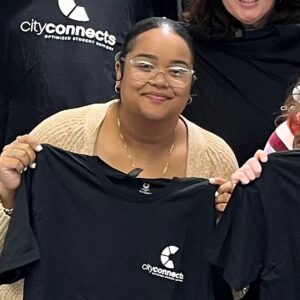
October 8, 2026For City Connects Coordinator Genesis Peguero, supporting students at Trinity Catholic Academy is much more than a job.
“The mission of City Connects really tugs at my heartstrings,” Peguero says. Focusing on the whole child and looking at their strengths is what I live for.”
Peguero is not only the school’s City Connects Coordinator, but also a Trinity Catholic parent. With her daughter attending the school, she is uniquely positioned to connect with the families she serves.
"I'm very invested in this school. As a Coordinator and a parent, I have a lot of buy-in. I really want it to be great," said Peguero.
A Licensed Independent Clinical Social Worker (LICSW), Peguero earned her undergraduate degree in psychology from Framingham State University and her Masters in Social Work from Boston University. She started her career supporting children and families in Boston as a community social worker and was then drawn to apply to a position as a City Connects Coordinator.“Looking at the whole picture of a student, seeing them beyond academics and being able to provide the resources and tools they need is what I love doing. That’s why I applied and why I’m still here,” Peguero said.A native of Boston herself, Peguero was hired as a Coordinator for the Dudley Street Neighborhood Charter School in Roxbury in 2023. After her family moved to Brockton, she became the Coordinator at Trinity Catholic Academy where she now supports 300 preschool to fifth grade students across two campuses.“Genesis is very thoughtful. She seeks to understand and she listens with empathy,” said Cynthia Scheller, City Connects’ Director of Student Support Programs and Practice. “Her heart is City Connects, 100 percent.”
"Genesis always comes to our coaching conversations ready to talk through any challenge. Her mindset is that they are not obstacles but opportunities to learn and grow as a practitioner,” said Kevin McCaffrey, City Connects Manager of Student Support Coaching. “She is also a great role model for new Coordinators and a trusted sounding board for our more experienced Coordinators."
At Trinity Catholic, Peguero has worked to expand community partnerships, offering more resources to students and families. She’s partnered with Expressable, which offers virtual one-on-one speech and occupational therapy to make it easier for families to access the support their children need. She also developed a partnership with World Tutors, which offers free virtual tutoring for students. And, to further support students’ social and emotional needs, she has partnered with Pariva Health to bring a clinician into school for therapy.“Genesis has really helped build out the community partnerships at Trinity Catholic. She’s a problem solver. She’s not afraid to reach out for help to find the right support for her students. She puts her nose to the grindstone and she gets it done,” said Scheller.Peguero runs a lunch bunch with students to support social skills and hosts monthly workshops for parents and caregivers. The first workshop of the year will focus on setting healthy boundaries."As both a parent and a counselor at Trinity Catholic, Genesis is whole heartedly invested in building a vibrant, supportive community there. She is always asking 'what are other schools doing that's successful in family engagement?' She takes new ideas to heart because she wants families in Brockton to have opportunities,” said McCaffrey. “This year she is collaborating with the Middle School Counselor and the school's Playbridge Counselor to host a series of Family Workshops over the course of the school year. She's constantly looking for ways to improve and families at Trinity Catholic are very lucky to have her leading the charge."In the spirit of City Connects’ focus on fostering the strengths and interests, Peguero taps into her own passion for art to put together a counseling newsletter called the Mindful Messenger, where she shares resources and tips with families.“I'm always looking at how to increase family engagement because getting to know families is at the heart of getting to know the students,” Peguero added. “It’s important work. We want families to know our faces and that we're here for them.”
SEARCH
Newsletter sign-up [...]
Read more...

October 5, 2026Here’s the new edition of The Weekly Connect. Check it out and sign up to have it delivered to your inbox!
Childhood adversity predicts poorer health in emerging adulthood.
Federal funding shortfalls threaten school meal programs.
Spokane schools rebuild community and normalcy after wildfires.
Research and Practice
Journal of Youth and Adolescence: School Relational Cohesion, Gender-Inequitable Attitudes, and Bullying Perpetration Across 15 Education Systems: Less Bullying Overall Without a Weaker Attitude-Behavior LinkOne in three students worldwide report having been bullied in the past month by a peer. Research has shown that experiencing bullying can lead to worse mental health, relationships, and later life outcomes, and it can also be linked to one’s beliefs about gender stereotypes. The present study aims to understand how bullying and gender attitudes are related and can be affected by rates of school connectedness. The researcher analyzed nearly 50,000 adolescents through several surveys from 15 education systems across the globe. He found that schools with higher school connectedness had lower bullying rates. Schools with a more hostile gender climate (defined as treating students differently by their gender, frequency of gender-based ridicule, and sexually inappropriate conduct) had higher bullying rates. Because students’ perceptions of gender roles were partly due to experiences with their families, the researcher recommends community interventions that support gendered beliefs both at home and in school, which may also be a supportive tool for reducing bullying in the classroom.
JAMA Network Open: Childhood Adversity and Health in Emerging AdulthoodUsing a sample of adults around age 18 and 19 in Texas, researchers explored how adverse childhood experiences (ACEs)—both individual experiences and measures of community adversity—are linked to poor health into adulthood. Results indicate that youth who experienced more ACEs were more likely to have poorer functioning across all outcome measures studied, which included experiences such as suicide attempts, dating violence, and drug and alcohol use. Out of the community-level adversities, the researchers found that racism and neighborhood safety were associated with higher rates of depression and PTSD. The researchers also found that certain ACEs were linked to later life outcomes. For example, experiencing emotional abuse, sexual abuse, and discrimination or witnessing domestic violence was more associated with depression and post-traumatic stress disorder compared to any other measured adversity. These findings suggest that future research should incorporate community-based adverse experiences and also examine ACEs individually to fully understand adolescents’ experiences.
Policy
CBS News: DOJ Says It Has Ended More Than 50 Decades-Old School Desegregation Cases The Justice Department has ended federal oversight in over 50 school districts. After the 1954 civil rights case Brown v. Board of Education, the federal government began to monitor schools to protect students from unlawful racial discrimination. In communities where unlawful discrimination was proven, school and federal officials entered into consent decrees which required school districts to avoid practices resulting in students being segregated by race. In the past year, the department has identified several desegregation cases it believes no longer need federal monitoring and has gone to court seeking to have those consent decrees dismissed. Federal officials will now review all current pending cases. The assistant attorney general for the Justice Department's Civil Rights Division shared that the office was ending the oversight for pending cases from the 1960s and 1970s because it "does not reflect the reality of those classrooms today." The former staff member in the role, who is now the general counsel at the NAACP, shared that the decision will "threaten to fuel resegregation and discrimination in public schools."
K-12 Dive: Lack of Federal Funding Hindering School Meal Programs, Superintendents SaySchool leaders across 43 states share concerns regarding recent cuts to the Supplemental Nutrition Assistance Program and funding challenges for school meals. The report, conducted by AASA, the School Superintendents Association, found that two-thirds of superintendents reported that funding levels moderately or significantly hindered their school’s meal programs. Two out of five leaders had to use funding from elsewhere to cover the costs of feeding students, including one-third of respondents redistributing funding from academic tutoring and enrichment programs. The federal reimbursement rates for school meals have also negatively impacted feeding programs, as the 3.54% increase in funds amounted to a one-cent increase per meal for many schools. To better support students, the AASA report recommends increasing federal reimbursement rates, investing in school meal infrastructure, expanding universal school meal programs, and adapting federal nutrition standards to better align with school constraints and students' desires.
EdSource: A State Program Now Puts $3,000 in the Pockets of Foster, COVID-Bereaved Youth Entering AdulthoodIn May, Californian officials launched the Hope, Opportunity, Perseverance, and Empowerment (HOPE) for Children program, which provided financial support to children who lost their parents to COVID or who aged out of the foster care system and were facing homelessness. The program gives youth $3,000 in an interest-bearing account, which they can access between ages 18 and 26. More than 56,000 youth qualify, and so far, 650 young people have been approved for the accounts. Participants decide how they want to spend the money, with some opting to pay first month’s rent, put a down payment on a car, or let the money grow in the account. The CEO of a policy advocacy organization who worked with the Legislature on creating the program shared that the program is powerful because it's "more than the money. It's a message about their potential, about their opportunity."
Around the Nation
The 74: As Missouri’s Student Population Shrinks, Schools Face a New Demographic RealitySt. Louis Public Schools used to be one of the United States’ largest school systems in the 1960s, with a peak enrollment of 115,000 students. In the 2026-27 school year, enrollment is below 17,000. Missouri's K-12 schools are dependent on local rather than state revenues, unlike most other places in the country, which has led to increased financial difficulties. Charter schools now enroll nearly one-half of all students in public schools. The Superintendent recommended closing 14 under-enrolled schools and moving students to alternatives, which would save the district an estimated $24 million. Education leaders are grappling with ways to best support families in now-closed schools while also balancing demographic changes and financial constraints. The decrease in student enrollment is due to a variety of factors, including lower birth rates and a worsened economy that has led families to move elsewhere.
The Washington Post: After Wildfires Devastated Spokane, a High School Became An Oasis of NormalcyWhen students returned to Shadle Park High School in Spokane, Washington, there were no visible reminders of the destructive wildfires that took place a few weeks before the school year started. Instead, school staff worked to create an intentional environment to best support students' needs and create a sense of normalcy. The fires had displaced 167 students and their families, many of whom were sleeping in RVs and relying on donations for clothing and other essential supplies. School leaders created an initiative to support students called "IRL," which required students every day to do something after school with other people. The focus on community was also evident at Shadle Park's football games. Families fill the stands to cheer on their team through the wins and losses. In the words of one spectator, "They may not be good games, but the community needs us."
SEARCH
Newsletter sign-up [...]
Read more...

October 1, 2026Dear Friends:
We are pleased to welcome you to a new year at the Boston College Mary E. Walsh Center for Thriving Children. It seems as if the urgency of our work to help all children and families thrive has never been greater. Working at the intersection of research and practice, below, we are sharing highlights of our work and the importance of the people, schools, and communities that partner with us to change what is possible for children and youth.
At the Center, we undertake research that matters. We study ways to counter the negative impacts of poverty on learning and lifelong success, how out-of-school factors like access to food and health care can affect children, and the role of enrichment opportunities in changing their life outcomes. We work in schools and communities across the nation to ensure the interventions we develop are practical, continuously improved, and scalable so that we can truly give all children and youth a chance to thrive.
Through our partnerships, we deliver care that connects. City Connects partners with schools across eight states and two countries to create a village of support around each and every student. It builds on the resources and relationships already present in a school and a community, further activating them through an evidence-based practice to better support the children and families who live there, transforming students, schools, and communities in the process.
We also launched a new initiative called the Promoting the Power of Pediatrics for Early Learning (ProPPEL) Network. Because nearly all U.S. children attend ‘well child visits’ with a trusted pediatrician, the ProPPEL Network has a unique opportunity to develop ways to improve whole child development and learning in partnership with pediatricians and community health centers.
Doing what works makes a difference. By combining research and practice, we are learning what children and youth need to have their best chances for success. We are uncovering the importance of creating even one more opportunity for a child, and learning how to deliver the right resources and enrichment opportunities to the right child at the right time to make a difference in their learning and life outcomes. That’s why these partnerships with schools, communities, and pediatricians are so important – because they transform children’s lives, illuminate best practices, inform policies, and provide an example of what is possible for children and youth, especially those who live with challenging circumstances.
We are thankful to everyone who continues to partner with us to discover and share what it takes to help every child thrive!
Sincerely,
Eric DearingExecutive DirectorMary E. Walsh Center for Thriving ChildrenClaire FoleyAssociate DirectorMary E. Walsh Center for Thriving ChildrenMary WalshExecutive DirectorCity Connects [...]
Read more...

September 28, 2026Here’s the new edition of The Weekly Connect. Check it out and sign up to have it delivered to your inbox!
Low-income students participate in varsity sports at much lower rates.
Michigan increased ELL funding, but advocates say major funding gaps remain.
Student-led mediation is helping reduce conflicts and suspensions.
Research and Practice
Children and Youth Services Review: Child Protective Services Contact and Students’ School Connectedness and AbsenteeismResearchers examined school attendance and connectedness in a sample of fifteen-year-olds who had contact with Child Protective Services (CPS). Previous studies have found that over a third of children experience a CPS investigation by the time they reach age 18, which is associated with worse academic, physical, and social-emotional development. In the present study, the researchers examined survey responses from over 3,000 children and their parents at age five, nine, and 15. Of the sample, 20% of students had contact with CPS by age 15. They were more likely to have families with lower educational attainment and income, be Black, and be a U.S. native. Students with CPS contact had significantly higher rates of absenteeism, often due to health reasons or truancy (i.e., an unexcused absence due to a student's own choice). Additionally, students with CPS contact reported lower levels of school connectedness compared to their peers, which was also associated with absenteeism. These findings highlight the importance of supporting these students in order to increase their school connectedness and decrease absenteeism rates.
American Enterprise Institute: Making the Varsity Cut: Who Plays High School Varsity Sports and Who Doesn’tA new study examined data from high school varsity athletes in Indiana to understand differences in participation rates among certain demographics. Using data from the Indiana Department of Education and the Indiana High School Athletic Association, the researchers examined over 270,000 high school students in the 2024-25 academic year. While girls' varsity participation rates were only two-thirds the rate of boys, this gap was explained by an increase in boy-only sports, such as football. Low-income students were only half as likely to play a varsity sport compared to their more affluent peers. However, school poverty alone did not explain this participation difference; the researchers hypothesize that the varsity participation gap might instead be due to high costs of playing sports even before starting high school. Lastly, students who played varsity sports were also more likely to be high-achieving. Future research and implementation directions should focus on engaging more students in sports, which can lead to improvements in attendance, academics, and future employment.
Policy
The Hechinger Report: The Emerging Fight Against Grade Inflation in K-12 Classrooms While classroom grades and GPAs have increased over recent decades, standardized test scores continue to decrease. Education experts believe that these inconsistencies may be due to the use of grade floors, which require teachers to give students a minimum grade (often a 40% or 50%) instead of a zero on assignments. In July, government officials in South Carolina passed a law banning minimum grades in K-12 schools, which went into effect this school year. Districts that do not comply with the ban will lose ten percent of state funding. Students must also turn in missing assignments before they become eligible for credit and content recovery programs, and most standardized test scores cannot be counted toward a student's progress. Proponents of grade floors share that they give students a greater chance of succeeding in a class and create a more equitable process. Conversely, other educators assert that implementing grade floors does not prepare students for a successful future. For example, in South Carolina, while 87% of students graduated on time, the state only considered 33% “college-ready” by graduation.
The 74: Michigan Increased Funding for English Learners by $12.5 Million. Advocates Say a Big Gap Persists.This year, Michigan lawmakers increased state funding for English Language Learners (ELLs) by $12.5 million. The extra funding was sent to districts based on students' scores on an annual English proficiency assessment, with each student in need of more support receiving additional funding of between $1,379 and $1,998. However, the state did not provide substantial funding for students who are nearly proficient in English; funding for each student with higher proficiency was $225, and students with near-perfect scores on the assessment received no extra funding. State and federal laws require all ELLs to receive services, and out of the 49 states that fund ELL services, Michigan is the only one to exclude some students from its funding formula. Michigan has historically ranked among the lowest in the nation for English language learner funding. Nearly half of the state's English learners remained in specialized programs after six years, suggesting that students are not receiving adequate instruction to enable them to take all courses in English. Education experts and families are hopeful to improve state support for ELLs, especially as the population continues to increase in the state.
Around the Nation
The 74: Schools Have a Motivation Problem — AI Is Making It Impossible to IgnoreAs students increasingly use generative AI to draft essays and solve homework equations, teachers have difficulty addressing chronically low student motivation. Several factors have contributed to this change. Since COVID, more students in traditional schooling programs believe that their class attendance is optional. Additionally, the majority of high school students use AI for their schoolwork, yet fewer than half reported that their coursework “challenges them” or “gives them the opportunity to do what they do best.” An educational psychologist shares that when teachers emphasize tests and grades, cheating with AI arises because students strive for efficiency. Instead, opportunities that balance student learning with other extracurriculars can help them grow, experience "hard fun," and "show themselves what their minds are capable of." For example, one teacher assigned students to solve a series of cold-case murders, a challenging experience that increased their motivation in the classroom.
Chalkbeat: Indianapolis Middle School Peer-Mediation Program Helps Lower Student SuspensionsStudents participate in a decades-old peer mediation program at H.L. Harshman Middle School in Indianapolis, Indiana, that teaches them to resolve disputes with classmates to foster a better school climate. Peer mediation aims to address conflicts before they turn into physical altercations that need adult intervention. Students in need of a mediator, often for a fight with a friend, put their name on a list to be seen by a peer. The mediator helps them find the right words to express how they feel. After a conflict is resolved, both parties sign an agreement not to discuss their argument outside of the room, which aims to build trust in the mediation process and lessen feelings of embarrassment. This school year, more than 100 students applied to be mediators, and around 25 were selected to participate. The students go through the rigorous process in the hopes of being "a part of something, building something stronger” and to support their classmates.
SEARCH
Newsletter sign-up [...]
Read more...

September 24, 2026The City Connects model ensures that every child is seen and known. This work goes beyond academics because the heart of an educational journey often lies in the unseen moments: a shift in confidence when a student learns a new skill on the playground, or a transformative mentorship that opens doors to new possibilities.
As we enter the new school year, Dedham Public Schools and City Connects are entering their third year of partnership. After two years of implementation, a quiet transformation is taking root. With Dedham’s dedication to student well-being and City Connects’ systematic framework, the district is looking to ensure every child is supported, inside and outside the classroom.
Cultivating Mindsets and Enriching Opportunities
As I walked through the halls of Dedham’s elementary schools, I immediately could see the commitment to student well-being on display, in full color. Bright bulletin boards prompt a shift in mindset for students with daily visual cues that reflect a focus on resiliency. From swapping "I'm not good at this" for "I'm still learning," words of inspiration turn into lived experiences and help equip students with the tools to persevere. Words of encouragement line the stairwell, offering a gentle reminder of inner strength with every step upwards. Outside on the playground, a buddy bench stands ready to welcome all children, fostering an inclusive and supportive environment across every corner of the school. Sprinkled throughout the campus, these thoughtful touches cultivate an ecosystem of emotional safety where students can feel valued, confident, and empowered to excel.
City Connects helps organize and elevate this work by connecting each school community’s priorities to network partners that can help expand support for its students. At a City Connects community partnership event Dedham’s City Connects leadership reflected on the power of these connections to provide actionable ideas to Dedham Public Schools:
"The panel was a fabulous opportunity to meet with partners in the community. We learned about other organizations and how we can strengthen school belongingness, student success, and positive relationships with families... I think we'll go back to Dedham Public Schools with a couple of great ideas and different community partners I've never heard of, including how to build in more movement among our youth and another around building positive self-esteem." - Dr. Ashley Dubé, Director of Counseling and Clinical Services (PreK-12), Dedham Public Schools
That vision was quickly realized. Drawing on ties forged at the community partner panel event, Dedham connected with organizations like Girls in Gear, a program that works with girls of all ages and abilities to help them build a foundation of lifelong physical and emotional wellness. The program meets once a week to teach students safe riding skills, leadership development, and how to build friendships.
“The program really focuses on helping girls become strong leaders. Even when it’s raining, they do other activities to learn about leadership, finding your voice, advocating, and resiliency,” said Dedham’s City Connects Program Manager Ali Lukoff.
Seeing these partnerships in action, I was struck by how deeply attuned Lukoff is to the pulse of the student body. She brings a palpable excitement to her work aligning community partnerships to students' interests, ensuring that enrichment opportunities are not just available, but meaningful and responsive to the students' own voices.
By elevating student voices to shape opportunities, the words of encouragement that line the hallways take root in chances to try a new sport, make new friendships, and learn new skills.
Building Bridges of Whole-Child Support
This attention to cultivating students’ opportunities is matched by quieter forms of daily relational support. Students can process emotions and feel grounded through low-pressure outlets, whether it's spending a quiet moment reading alongside the school’s emotional support dog, writing a note to drop in its hallway mailbox, or recharging in a light-filled calm space to self-regulate. By integrating intentional, restorative support into the school day, the hope is that every child can receive the comprehensive, personalized support they need to be ready to learn and succeed.
While educators in Dedham have long taken a comprehensive, whole-child approach, they partnered with City Connects to supply the essential structure needed to deliver these resources proactively and equitably across all district schools.
As Assistant Superintendent Sara Stetson explained:
"We had a lot of interventions, but there was no organizational structure... This raised concerns about efficiency and management of resources, but more importantly, it raised concerns about equity. City Connects encapsulated everything we were trying to do in one model." - Sara Stetson, Dedham Assistant Superintendent
At its core, City Connects serves as a powerful bridge that strengthens and connects communities, weaving together schools, families, and local partners into a unified approach to student support. City Connects is helping Dedham translate its commitment to student well-being into tangible support that deepens students’ sense of belonging and expands access to enrichment opportunities where students build relationships and skills that help them succeed in the classroom and beyond. [...]
Read more...
September 21, 2026Here’s the new edition of The Weekly Connect. Check it out and sign up to have it delivered to your inbox!
Research and Practice
Child Development: High School Coping Patterns and Emerging Adult Mental Health Across COVID-19: A Latent Profile Transition Analysis
Researchers from the United States examined how adolescents coped with stress before the COVID-19 pandemic and whether these coping mechanisms supported their mental health during the pandemic. Previous studies have shown that coping mechanisms change over time and, for adolescents, support psychological adjustment and mental health trajectories into emerging adulthood. In the present study, 940 adolescents filled out surveys on their depressive symptoms and coping strategies. The researchers found that the four coping patterns they identified changed in early adolescence and became stable in later years. Adolescents who used multiple types of coping strategies or had stronger emotional control in twelfth grade had fewer reported depressive symptoms and improved sooner than their peers during the pandemic. Conversely, adolescents who ruminated on their emotions or tried to cope independently had higher and more persistent symptoms as they aged. These findings indicate that adolescents have unique coping strategies that can support or impact them in times of crisis.
Chalkbeat: Credit Recovery Enrollment Rose 13% Since 2017, Raising Questions About Graduation Rigor
An analysis from Chalkbeat found that more students are enrolling in credit recovery programs—classes that help students pass a course they previously failed online—compared to before the pandemic. Between the 2017-18 and 2023-24 school years, enrollment in credit recovery courses increased by 13%. This increase may be partly explained by students needing more support during the pandemic and during the transition back to in-person instruction. The data, self-reported by school districts, is compiled through the U.S. Department of Education's Office for Civil Rights. Researchers and advocates have mixed views on the advantages and disadvantages of credit recovery programs for high school students. Some assert that the programs help students graduate who would not otherwise be able to, which in turn lowers risks of violence in the area and provides financial benefits to society. On the other hand, research has also found that online credit recovery programs are linked to lower wages after high school.
Policy
Washington Examiner: Head Start Programs Get $225 Million MAHA Boost From Trump Administration
The Trump administration announced a $225 million investment in new Head Start supplemental grants to support nutrition and service improvements. The new funds were redistributed from Head Start programs that did not meet enrollment requirements. Eighty-nine million dollars will go towards supplemental nutrition funding for more than 400 Head Start grant recipients to improve access to nutrient-dense foods, create farm-to-table and gardening initiatives, and provide nutrition education for children and families. Eighty-eight million dollars will go towards improvements to Head Start facilities and learning environments, and $47 million will go towards one-time operational needs. Head Start, which serves around 700,000 children under five years old, was established in the 1960s. Children in the program are more likely to graduate high school, have better emotional regulation and self-esteem, and are less likely to be incarcerated.
EdSurge News: New York and Los Angeles Ban Student-Facing AI (For Now). Should Other Schools Follow?
In the first weeks of the new school year, the two largest school districts—New York City and Los Angeles Unified—announced restrictions on students' access to artificial intelligence at school. In New York City, the new policy prohibits student-facing generative AI content for children up to eighth grade. In Los Angeles, restrictions on generative AI tools were placed on all student-issued devices. These two policies contrast with the next three largest school districts: Chicago Public Schools, Illinois; Clark County School District, Nevada; and Miami-Dade County Public Schools, Florida. They all approve of the use of district-designated tools in the classroom. In light of these conversations, a teacher from a school in St. Louis, Missouri, recommends involving students in decision-making around AI usage as a learning opportunity and to explore in depth the positives and negatives of artificial intelligence.
Around the Nation
The 74: Evicted Students Miss Class and Fall Behind. Tulsa Schools Want to Change That
Since 2020, leaders in Tulsa, Oklahoma, have created strategies to support families who are at risk of eviction. The city has one of the worst eviction rates in the country, and last school year, landlords filed evictions affecting more than 600 children in Tulsa Public Schools. The majority of students whose families receive an eviction notice are chronically absent, and students with an eviction notice or judgment had lower proficiency rates in math and reading compared to their peers. To help prevent disruptions to children's education, a nonprofit, ImpactTulsa, acts as "first responders" in a housing emergency. They connect parents with legal aid and rental assistance programs. One of the middle schools also serves as a place for parents to meet privately about their immediate needs with a family navigator. Other cities have started to adopt similar programs, including Dallas, Texas and Dayton, Ohio, though available resources continue to fall short of the demand.
The Hechinger Report: When This Small Alaska Town Was Given $1 Million, Child Care Was the Top Priority
In rural communities, it can be difficult to find affordable childcare. Often, families are far from the few providers that exist, and the daycares that are accessible struggle with high costs of services. Many of these families experience poverty and food insecurity, which is linked to poor school performance and could be alleviated by access to high-quality child care. In Alaska, 96% of children live in a child care desert, defined as an area where there are at least three children for every licensed child care slot. After the town of Seward, Alaska, received a $1 million donation to support housing and child care, child care slots have increased by 150%. A nonprofit, Happy Youth Programs and Educational Resources, was chosen to lead the town's new child care strategy. The program trains child care providers to launch their own centers, boosts salaries for providers, and helps families pay for child care through a subsidy program. [...]
Read more...

September 17, 2026A study on the impact of City Connects has been recognized by the U.S. Department of Education’s What Works Clearinghouse, a national source of scientific evidence on what works in education. The study, Estimating the Impact of Integrated Student Support on Elementary School Achievement: A Natural Experiment, was given Tier 1 status by the Clearinghouse, representing the strongest level of evidence. The study is now featured on the federal Institute of Education Sciences website.
“This is further validation of what we already knew and what we've been working so hard to share with the world. There's been a lot of great work demonstrating how effective City Connects is, but this study gives us a particularly strong form of evidence that we haven’t had before,” said Jordan Lawson, Researcher at Boston College’s Mary E. Walsh Center for Thriving Children and lead author of the study. “This helps strengthen the case that is already starting to be made for the importance of integrated student support and its adoption.”
"As awareness grows that what happens outside the classroom matters deeply to students’ ability to learn and thrive, good intentions are not enough; we need strong evidence of interventions that can address those factors systematically and effectively,” said Yan Leigh, Director of Research and Evaluation at the Mary E. Walsh Center for Thriving Children. “This study adds a significant layer of evidence-based research to the existing body of knowledge and further supports our confidence in understanding what positive impacts City Connects can have for students.”
City Connects is an evidence-based model of integrated student support that addresses students' needs and fosters their strengths by connecting them to school and community resources. This intervention has been studied for decades, with researchers finding empirical evidence to show City Connects’ positive impact on student attendance, engagement, academic achievement, and post-secondary success. This study, however, offers the strongest evidence to date of the positive impacts of integrated student support, by being the first to utilize randomization—a powerful research method—in the elementary school context.
I believe in it, and now the research shows that others should believe in it, too. - Jordan Lawson
Researchers were able to use the random component of Boston Public Schools’ kindergarten enrollment lottery system to approximate a randomized control trial. Because some students in Boston’s large, urban district are randomly assigned to schools, researchers could compare students randomly assigned to schools with and without City Connects.
“Randomization is the strongest way possible, from a research lens, to show that this intervention is really making a difference for children. It helps us confirm that the difference in academic achievement we're seeing between students in City Connects and comparison schools is really attributable to the intervention instead of something else that may be hidden in the background,” said Lawson. “This is important because people looking to adopt and push forward integrated student support now have the strongest form of evidence to further their case. That could help bring these supports to more schools and more children, giving them greater access to the resources they need to overcome barriers and thrive. I think that's really powerful.”
Analyzing data for nearly 2,500 students, researchers were able to determine that students who were randomly assigned to schools with City Connects scored meaningfully higher on standardized tests in third, fourth, and fifth grade than those who were randomly assigned to schools without City Connects. For fifth graders, student achievement improved by as much as 20 percentile points—a level of improvement equivalent to about 90 percent of the size of the average estimated Black-White achievement gap, and about 50 percent of the size of the estimated gap between students from high- and low-income families.
The study’s Tier 1 designation from the What Works Clearinghouse means that it featured strong evidence, met Clearinghouse standards without reservations, and reported positive effects on one or more outcome domains. Researchers hope this new level of attention will help more educators and policymakers adopt systems of integrated student support.
“At City Connects, we already know how important it is to address out-of-school experiences that students bring into the classroom with them that really impact their learning. Schools and educators know this, too. The challenge has often been having the resources, supports, and partnerships to respond effectively,” said Lawson. “I hope the takeaway from this is that integrated student support is not only doable, but that it works. Now we have rigorous research to support what we have long understood. I hope integrated student support will be more widely adopted. I believe in it, and now the research shows that others should believe in it, too.”
“This recognition represents both a significant accomplishment and a starting point. On one hand, the recognition provides strong evidence that City Connects can positively affect student academic achievement; on the other, it creates significant opportunities for the next generation of research to examine how the City Connects model functions across settings, student populations, and at scale. This is how we continue developing a body of knowledge from which researchers can learn, but also so that the educators and community members who make decisions about how they can most effectively serve their students can use this as well,” said Leigh. [...]
Read more...

September 14, 2026Here’s the new edition of The Weekly Connect. Check it out and sign up to have it delivered to your inbox!
U.S. student ranking on PISA International Test improves as other countries decline.
As millions of kids lose SNAP food benefits, free school meals are also at risk.
An L.A. charter school has all but eliminated chronic absenteeism among homeless students.
Research and Practice
Translational Psychiatry: Gene-Environment Interplay in Internalising and Externalising Psychopathology in Adolescence
Researchers from the United Kingdom and Norway examined the extent to which an adolescent's genes and environment are related to their development of internalizing (e.g., anxiety and depression) and externalizing (e.g., conduct problems) symptoms. Utilizing data from over 3,000 twins, the researchers collected surveys of participants' feelings and home environment between ages nine and 16; internalizing and externalizing symptoms at age 16; and certain polygenic measures (e.g., ADHD, bipolar disorder, and OCD). Results indicated that both genetic and environmental measures impacted respondents' internalizing and externalizing symptoms. Polygenic scores accounted for 2.7% of the variance in symptoms, while environmental measures accounted for 7.1%. Children with a higher genetic risk had higher levels of internalizing symptoms, especially when experiencing more chaos at home and a harsher parenting style. The research highlights how different factors impact adolescents' psychopathology, and as a result, interventions should be created with a multi-faceted approach.
Chalkbeat: U.S. Ranking on PISA International Test Improves As Other Countries Decline
Results from the Programme for International Student Assessment (PISA), a key international test, showed that students in the United States scored well above the average in science and reading, with math scores on par with those of other developed countries. However, this improvement is largely attributed to other countries' scores decreasing over the last decade. PISA is administered by the Organisation for Economic Co-Operation and Development (OECD), an intergovernmental organization, and measures 15-year-olds' problem-solving skills in math, reading, and science worldwide. Results from the U.S. indicated that the country's average performance in math and reading is at or near its lowest level historically. The gap between the top and bottom performers in science and reading was also larger in the U.S. compared to other countries. While it is unclear why test scores have declined globally, OECD officials suggest it may be due to increased student absenteeism rates, more classroom disruptions, or higher phone and screen usage.
See also: U.S. Reading Scores Plummet on Global Exam
K-12 Dive: STEM in After-School Programs Sees ‘Extraordinary’ Growth
A new report from The Afterschool Alliance found that more children now have access to STEM after-school programming compared to previous years. The research organization collected data from over 30,000 households in early 2025. Between 2014 and 2025, access to after-school computer science, technology, and engineering activities more than doubled, with 92% of parents reporting that their child's after-school program had STEM learning opportunities—a record high. Boys and girls participate in these programs at nearly identical rates, in contrast to previous years, when boys had higher access to STEM-related programs. Children across the country continue to have unequal access to STEM learning opportunities and after-school program access in general. The report found that rural families living more than 30 miles from a metro area were the least likely to have the opportunity to attend a recurring STEM program and reported lower satisfaction among the programs they did participate in.
Policy
National Public Radio: Federal Civil Rights Data About Students Is Finally Out. It's Different Under Trump
The U.S. Department of Education released the 2023-24 Civil Rights Data Collection (CRDC), biannual data that typically would have been made available last December. The information, which has been released to the public over the last 50 years, includes data on a variety of topics. For the first time, the release included information about teacher retention, whether schools evaluate preschoolers for English learner or disability status, and whether students who needed Wi-Fi devices for learning actually received them. Additionally, the data are typically delivered in an accessible way, with a report for public use, as well as individual data files for researchers. This year, only the raw data files were released. The Education Department also removed data about how nonbinary students are treated at school, which would have been the first time the CRDC released the data. Researchers and data analysts have shared that they will work to analyze the data and make it more accessible to wider audiences.
See also: Trans, Nonbinary Students Miss School Over Safety Concerns, Report Says
WBUR: As Millions of Kids Lose SNAP Food Benefits, Free School Meals Are Also At Risk
Dozens of schools across the country have ended their universal free meal programs. While it is unclear whether the decline in participation is fully due to changes to the Supplemental Nutrition Assistance Program (SNAP), schools are often eligible to receive universal free meals if at least a quarter of students participate in the program. As a result, when food stamp participation declines, federal funding decreases, and schools must stretch their budgets to pay for the program. Currently, nine states offer permanent universal free school meal programs, funding more than 49,000 public schools. Though the programs are costly, advocates argue that universal free meal programs are often healthier for students and are linked to improved educational outcomes. It is estimated that losing access to free meals costs families nearly $1,000 per student each school year, a challenge for those already struggling to afford rising living costs, making them need to forgo other expenses.
Around the Nation
Sahan Journal: Minnesota Schools Lost At Least 1,700 Students After ICE Operation
An analysis from Sahan Journal, a nonprofit focused on covering immigrants in Minnesota, found that as many as 1,700 students left Minnesota schools following Operation Metro Surge, the largest U.S. immigration enforcement operation, beginning in December 2025. The decline in enrollment impacted urban, suburban, and rural districts and charter schools with high English language learner populations. Minneapolis and St. Paul each lost nearly 500 students. Children, families, and educators have reported feeling the impact of students who did not return after virtual schooling in the winter; many of them left without saying where they were going, some moved in with family members as they were no longer able to afford housing, and others decided to "self-deport" back to their native countries. Additional budget constraints in some districts have also led to cutting positions like English language teachers and counselors, both essential to supporting immigrant children.
Los Angeles Times: How an L.A. charter school has all but eliminated chronic absenteeism among homeless students
Scholarship Prep South Bay, a charter school in Wilmington, California, works with 50-plus community partnerships to support its homeless students, none of whom were chronically absent in the past year. The school enrolls 421 students from transitional kindergarten through eighth grade, with 93% of students coming from low-income households. Wraparound services offered by the school include free breakfast and lunch, before- and after-school care, and hygiene supplies, as well as support for transportation, hotel assistance, and access to mobile phones preloaded with resources. Students experience social and emotional learning in their classes, participate in health and wellness services, and can do laundry at the school. The school's principal shared that the high rates of attendance and engagement of students are due to an increased sense of belonging and connection, and that incorporating these accessible resources into the school ensures that "loving the whole child includes the family." [...]
Read more...
September 10, 2026Building upon years of success supporting students in Dublin, City Connects is now expanding to 25 more schools across Ireland. In August, the Government of Ireland announced that City Connects—an evidence-based model of integrated student support that fosters the strengths and addresses the needs of students—will be implemented in 13 schools in Limerick City and 12 schools in Tallaght, Dublin this year.
“We're really excited that this opportunity will now be available to more children in areas where there is significant need,” said Eucharia McCarthy, Director of the National Centre for City Connects Ireland. "We know that once children have been part of the City Connects ecosystem of support, their trajectory for the future can be significantly improved. So to think we could offer that possibility to the children in these two new areas is really exciting. It’s really about improving the life chances for children.”
This decision comes six years after City Connects was first implemented in Dublin’s North East Inner City, where it is now finding success in 18 schools. While originally launching in primary schools in Dublin, last year City Connects extended to eight post-primary schools, working with students who are at a similar grade to middle school students in the United States.
“Our outcomes in Dublin are mirroring the outcomes that Boston College has identified through their research,” said McCarthy. “We have children who typically might not have come to school on a Monday or a Friday who are now in school those days because of the opportunities they're getting through City Connects. Access to in-school and community-based services has grown year over year. Our satisfaction rates from principals and community partners are 100%, and 98% from teachers. It's almost unheard of to have a program with such high levels of satisfaction on a sustained basis.”
The positive impacts of City Connects have been well documented in the United States, with more than two decades of data linking the program to increased attendance, engagement, academic achievement, and post-secondary educational attainment. The evidence-based approach addresses out-of-school factors that can impact student success by creating individualized support plans linking students to in-school and community-based supports.
“We are delighted that the government of Ireland has chosen to expand City Connects to new communities, extending meaningful supports and opportunities to students there,” said Mary Walsh, City Connects Executive Director and Daniel E. Kearns Chair of Urban Education and Innovative Leadership Emerita at the Lynch School of Education and Human Development at Boston College. “This expansion reflects the visionary approach of the Department of Education and Youth to continue its commitment to schools with high concentrations of students experiencing educational disadvantage. Our partners there, including Mary Immaculate College, work tirelessly to ensure every student is seen and their needs, strengths, and interests are supported.”
Boston College partnered with Mary Immaculate College, the Irish Department of Education and Youth, and Tusla Education Support Service to bring City Connects to Ireland in 2020. In 2024, the Department of Education and Youth in Ireland established the National Centre for City Connects Ireland (NCCCI). The NCCCI at Mary Immaculate College now leads the implementation and research of City Connects in Ireland.
“City Connects is a richly collaborative endeavor involving multiple stakeholders,” said McCarthy. “There's been a shared commitment and excitement as we see the growing benefits of City Connects in Dublin. We have meetings where we discuss what's going on on the ground and every week, without fail, there's an inspiring story of a community whose lives are being positively impacted. Those real-life stories combined with the robust body of evidence demonstrating the effectiveness of the intervention have really been the impetus for everybody to work together to grow City Connects. We all know that it is making a difference in children's lives.”
This expansion more than doubles the number of schools implementing City Connects in Ireland. This school year, City Connects will serve more than 8,000 students across Ireland.
“Many children in Limerick City and Tallaght face significant challenges, including homelessness and a lack of basic cooking facilities at home. Their health and wellbeing may require additional support. They may also have limited access to extracurricular opportunities such as swimming, dance, sports, cookery, gymnastics, writing clubs, jujitsu, cycling or music. City Connects helps bridge this gap by providing access to experiences that can uncover a child's talents, interests, and potential. Ultimately, the program is about ensuring these children have the support and opportunities they need to thrive and achieve the best possible outcomes," said McCarthy. [...]
Read more...
September 8, 2026Here’s the new edition of The Weekly Connect. Check it out and sign up to have it delivered to your inbox!
Virtual public school enrollment has doubled since the pandemic, but online students often face weaker academic and graduation outcomes.
Meta agrees to sweeping restrictions and an $18 billion settlement aimed at protecting children from social media harms.
Community initiatives step in as most children miss critical early autism and developmental screenings.
Research and Practice
JAMA Network Open: Parent-Child Shared Book Reading with Preschoolers During and After the COVID-19 PandemicResearchers from Rutgers University examined parent-reported shared book reading with their US preschool-aged children before, during, and after the pandemic. Analyzing seven waves of a nationally representative online survey between April 2020 and September 2025, results indicated a decrease in the percentage of parents reading to their children. In spring 2020, 82.5% of parents read to their child three or more times per week, compared with 84.6% before the pandemic. Reading frequency continued to decline through 2024, with the largest decrease in spring 2021. Higher parental education, household income, and dual-parent households were associated with greater odds of frequent reading, as well as higher rates of play and early education enrollment. Each additional ten physical books in the household was associated with an eight percent increase in frequent reading. The researchers hypothesize that the decline in reading during and after the pandemic may have been due to increased parental stress, disruptions to family routines, and paused library access.
See also: ‘The Kids Simply Cannot Handle It’: Why New York Students Are Reading Fewer Books
Center for Mental Health in Schools & Student/Learning Supports: New Directions for Student and Learning Supports: From Fragmented Initiatives to System Transformation A new report from Howard Adelman and Linda Taylor at the University of California, Los Angeles, examines initiatives across the country to strengthen student and learning supports and inform future policy and practice. The authors reviewed several national initiatives that focus on student and learning supports. They argue that initiatives like Multi-Tiered Systems of Supports, whole-child approaches, and integrated student supports have not significantly improved efforts to address students' barriers to learning. Schools' implementation of these programs are fragmented, with gaps or redundancies, and use resources inefficiently. Adelman and Taylor share that instead of focusing on creating new initiatives to support students, school systems, community organizations, and families should transform student and learning supports into a unified system. Therefore, schools need to build comprehensive programs that advance opportunities for all students, are sustainable to deliver, and are connected through an integrated system.
Chalkbeat: Virtual School Enrollment Has Doubled in Recent Years, Following Pandemic-Era SurgeIn the 2024-25 school year, 1 in 80 students attended public school online, a rate that has been steadily increasing since the pandemic. A Chalkbeat analysis found that federal data reported by the U.S. Department of Education may undercount school enrollment. For example, the federal government reported that one percent of Indiana students are in online school, while the actual count may be around three percent. The majority of students attending schools with virtual programs are in high school; they enroll in online schools at double the rate of students in elementary and middle school. Oklahoma has the highest rate of fully online learners, around five percent of students. Families often choose online schooling because traditional schooling is ineffective for their students’ needs; many of these students have disabilities and require accommodations that are easier to provide in a virtual format. While online school may be effective for some, studies have found that, on average, students in virtual schools made less academic progress and graduated at lower rates compared to students attending in-person public schools.
Policy
The Washington Post: Meta Agrees to Sweeping Changes, $18 Billion Payout in Landmark State SettlementThe social media company Meta agreed to pay $18 billion in damages to children's mental health and institute changes in how children can use these apps. The settlement includes 48 states and the District of Columbia; New Mexico had a similar state case, and Florida’s attorney general rejected the deal. Advocates of these restrictions have accused social media companies of contributing to children's phone addiction, cyberbullying, and mental health disorders. Now, Meta will enforce stricter limits on how children can use the apps. Facebook and Instagram will be blocked from midnight to 6 a.m., notifications will be turned off during school hours, and teens can only use the apps for two hours a day. Meta will also fund youth online safety initiatives and conduct studies on app usage. If competitors like YouTube and TikTok agree to the settlement, all companies will need to comply with stricter restrictions for young users in the future.
Iowa Capital Dispatch: USDA Announces 'Harvest to Hallways' Program to Increase Local Food in SchoolsThe U.S. Department of Agriculture (USDA) and U.S. Department of Health and Human Services announced the Harvest to Hallways initiative, the next phase of the Make America Healthy Again plan. In addition to nearly $20 million in funding distributed by the federal government to support farm-to-school programs in 37 states, the USDA has pledged an additional $25 million in Patrick Leahy Farm to School Grants in the fiscal year. The funding will go towards improved school kitchen infrastructure, farm-to-school grants, and research into school meal nutrition, with the overall goal of incorporating more locally grown foods in schools. While the funding is a significant boost to school meal programs to align with federal initiatives, farmers and community members share that the new money awarded does not fully cover previous cuts to school food programs, and more funding is needed for school officials and farmers to build relationships and invest in more sustainable programs.
Around the Nation
The Hechinger Report: When Natural Disasters Strike, These Camps Give Kids a Safe Place to RecoverAfter devastating wildfires in Spokane, Washington, the public school district hosted a day camp for children of survivors. The initiative, part of a strategy called "education in emergencies," centers children's needs during a disaster response and is often employed in international humanitarian aid initiatives. One day after the wildfires, Spokane Public Schools collaborated with nonprofits, churches, and small businesses to support families impacted by the fires. One high school opened as a resource center, distributing food and toiletries and providing assistance with filing insurance claims. School staff supervised children and were fed meals from the district's summer lunch program. Project:Camp, an organization that creates camps following disasters, served hundreds of children at two locations for three weeks before the start of the semester. Children were visited by Abby Cadabby from "Sesame Street," played laser tag, and completed mental and emotional checks, with the overall focus of the programming to return participants to a sense of safety and normalcy.
Chalkbeat: How a Queens School Transformed a Local Playground — And Its Students’ LivesStudents at Voyages Prep in Queens, New York, participated in an elective course, Hire Cause, which focuses on building projects that improve communities. The students chose to renovate Playground Ninety, a basketball court where some students played after school. The students learned to fundraise, collaborated with artists to design the space, and won a worldwide initiative led by a nonprofit that funds public basketball courts. The program is part of the school's career readiness focus, which provides students with hands-on classes and career training. One student who became the project manager shared that the class helped students improve their attendance and encouraged them to arrive on time. Reflecting on the benefits of the program, he shared, "Not only do I have a reason to be here, but like it's proof that I can do more with myself than I thought I could... It's proof that when I do actually put myself to the task, I can meet expectations."
SEARCH
Newsletter sign-up [...]
Read more...

September 3, 2026Dear Colleagues and Friends:When the school doors open, a world of possibilities opens for eager students full of curiosity and potential. Research shows that for students, an accumulation of opportunities can lead to positive outcomes throughout their life.
Opportunities matter.
Creating new opportunities for students to thrive is what City Connects seeks to do. By listening to students, learning what is interesting and exciting to them, consulting their teachers and families, and providing personalized connections to school and community partners, our Coordinators can help each student feel known and seen. This work is critical in a time when human connection can be harder to find, especially when out-of-school factors can make it more difficult to show up to school ready to learn.
Right now, our thoughts in particular are with the communities affected by flooding in the Midwest and fires in the Northwest. We are all united in the hope that your families and schools have access to all needed supports and that those displaced can return home soon.
For more than 25 years, City Connects has acted as a source of stability in times of uncertainty. Whether challenges stem from unexpected weather events, sudden food or housing insecurity, health or community disruptions, or the loss of loved ones, City Connects Coordinators respond with support tailored to a student’s unique circumstances. In Salem, it’s a partnership with local food banks. In Minnesota, it’s a relationship with a community partner specializing in grief support for children. In Dublin, Ireland, it’s providing afterschool activities as a shelter against crime and violence in the neighborhood.
Every school in our network is unique, and we strive to make every zip code a place of opportunity. What we have found time and again is that schools and communities have many resources to build scaffolds of support. When City Connects helps coordinate people, programs, and possibilities for students, it supports schools as they strengthen relationships, improve access to resources, and transform student learning and life outcomes.
We look forward to seeing this happen again in the fall, as our network grows to include new schools in Maine, Washington State, and Ireland. We can’t wait to see how these new schools combine our evidence-based practice with local knowledge about the children and families who are at the heart of City Connects.
City Connects is growing because it makes a difference. City Connects was recently recognized by the U.S. Department of Education’s What Works Clearinghouse as having the strongest possible evidence of effectiveness, based on a study supported by the federal Institute of Education Sciences.
Thank you for your continued support of City Connects, and your commitment to the schools, communities, students, and families we serve. Now, more than ever, it is important to do “what works” so that every child and youth can take full advantage of new opportunities to learn, grow, and thrive.
With gratitude, Mary & Claire [...]
Read more...

August 31, 2026Here’s the new edition of The Weekly Connect. Check it out and sign up to have it delivered to your inbox!
Loss of universal free meals linked to worsening BMI trajectories in low-middle-income students.
States and advocates ramp up legal and patrol measures to block ice enforcement on school grounds.
Community initiatives step in as most children miss critical early autism and developmental screenings.
Research and Practice
JAMA Network Open: Loss of Access to Universal Free School Meals and Body Mass Index in Students Previous research has found that universal free school meals (UFSM) are linked to increased participation in school meal programs and better student health outcomes, such as lower obesity rates, body mass index, and high blood pressure. The present study compared students from low- and low-middle-income households in schools that previously had UFSM and lost funding compared to schools that continued to have funding in the 2022-23 school year. The researchers found that the loss of UFSM was associated with less favorable body mass index z-scores among youth. This finding was more prevalent for students from low-middle-income households, who were not individually eligible for free or reduced-price meals compared to their lower-income peers, yet still need financial support to access nutritious food and combat high rates of food insecurity. These findings indicate the importance of expanding UFSM to low-poverty schools, as it may lead to improved health outcomes among students.
The Hechinger Report: A National Divide Over Holding Back Students: Some States Do It Young, Others Wait Until High SchoolA new analysis by Big Local News at Stanford University and the Hechinger Report examines differences in how states retain, or hold back, students. Across the country, more than two dozen states have laws requiring or allowing schools to retain third-grade students if they do not read on grade level. Less than two percent of students repeated a grade level in 2021-22, down from three percent a decade earlier. Schools in the South held students back more than any other region. Boys were more likely to be held back than girls, and Black boys were retained at nearly three times the rate of white boys, even as retention rates declined over the years. Research on retention is mixed; some studies show that students who repeat a grade benefit very little, while others show that retention is effective when combined with tutoring and academic support.
Policy
K-12 Dive: Efforts to Keep ICE off of School Grounds Ramp Up School staff and families continue to be concerned about immigration enforcement on and near school property. In the 2025-26 school year, there were at least 17 reported incidents of Immigration and Customs Enforcement (ICE) activity on school property. State officials have enacted different methods to limit ICE agent activity near schools. In Massachusetts, Governor Maura Healey signed the PROTECT Act, which prevents warrantless immigrant arrests at schools, child care centers, and other sensitive locations. In California, Teachers Los Angeles and a local grassroots organization are working to patrol and document federal immigration enforcement vehicles to help students before and after school and provide a rapid response in case ICE officers are present. At least six states have introduced legislation that would monitor children without permanent legal status or exclude them from public education, though none have been passed yet. Other states and school districts have turned to lawsuits to address the federal government's recent changes to immigration enforcement policy.
National Public Radio: 15 States Have Laws That Allow Corporal Punishment in Schools. Here's Where, and WhyThe U.S. has no federal laws banning the use of corporal punishment, which is defined as "anything done to cause pain or discomfort” in response to a child’s behavior. Instead, states and local districts decide what is an appropriate punishment, with many requiring parental consent. The most recent information from the U.S. Department of Education's Civil Rights Data found that 1 in over 2,000 students is reported to have experienced corporal punishment. Almost all of these reported instances occurred in eight states. An Education Department analysis of the use of corporal punishment found that boys were more likely to receive corporal punishment than girls, with white, Black, Native American, and Alaska Native boys all experiencing higher rates. Corporal punishment is often associated with students having more aggression and higher rates of anxiety, depression, and addiction. Often, communities that use corporal punishment view it as a part of a cultural expectation for raising children and what has been passed down from earlier generations. See also: OCR Calls on Schools to ‘Stop Racial Balancing’ in New Discipline Guidance
Around the Nation
The Hechinger Report: Most Kids Miss Recommended Screening For Autism, Speech DelaysIn 2002, the American Academy of Pediatrics released recommendations that young children complete development screeners with their pediatrician, which is critical to diagnosing a child's disability or delay. In 2023-2024, only 36% of parents reported that they or their young children had filled out a screener in the past year. To improve access, communities have created new initiatives to increase the number of families participating in screenings, which can take place in a library, zoo, or farmers' market. These programs are supported by Help Me Grow, a national network of organizations that promote child development and aim to make screenings more accessible. At Betts Branch Library in Syracuse, New York, children played while adults completed a developmental screener. Later, families received materials explaining the results and sharing resources that help support healthy child development. Parents reported that the event helped them feel more comfortable raising concerns and knowing which questions to ask.
Education Next: The Trailblazing School on the Frontier of Artificial IntelligenceStudents at Washington Leadership Academy in Washington, D.C., participated in a Hackathon where they made AI chatbots to address real-world problems. Members of the student government association built a bot for students to share concerns with school leadership. A senior created a personal AI receptionist to answer emails and phone calls and organize calendars. Washington Leadership Academy is D.C.'s first computer science charter school. Freshmen are required to take a computer science course that includes core concepts in AI and machine learning. Other courses incorporate hands-on learning opportunities and discussions on AI's limitations. Ninety-nine percent of the school's enrollment is students of color and from low-income households, groups that historically have not had access to new technologies. In the fall, two-thirds of students reported learning strategies for using AI tools effectively, and 70% of students shared that AI is both helpful and harmful to their schoolwork.
SEARCH
Newsletter sign-up [...]
Read more...

August 27, 2026Minnesota’s City Connects Program Manager Peyton Schick knows how powerful community partnerships can be, especially during a crisis. Last winter, when Minneapolis became a location of concentrated federal immigration enforcement efforts, City Connects’ community partners were a lifeline for families.
“Our partners showed up in ways I didn't even know were possible,” said Schick, who oversees City Connects Coordinators in nine private, Catholic schools in the Minneapolis/St. Paul area.
With many students and families fearful of leaving their homes, community partners like Every Meal and the Sanneh Foundation stepped in to provide food. The Hennepin County Mobile Crisis Unit was also critical in supporting students experiencing individual and community trauma.
“With community partners in place already, we were able to jump into action. There was no need to try to establish relationships, because they were already there. It was a matter of tapping into partners we had and explaining the needs in our schools,” Schick explained.
Research has found that schools using systems of integrated student support, like City Connects, are uniquely equipped to handle crisis situations. The book Critical Conditions: Addressing Education Emergencies through Integrated Student Support illustrates how schools using City Connects and other models of integrated student support before the COVID-19 pandemic were better and more quickly able to respond to the needs of students and families when schools abruptly closed in March 2020.
“One of the precepts of education emergencies is that schools need to prepare rather than react. What we saw in schools with integrated student support is that they were prepared when COVID hit. They were able to deal with this crisis proactively. So our overall message is that integrated student support is your best preparation for the next emergency,” said Elaine Weiss, a co-author of the book.
Those emergencies are, unfortunately, becoming more common. From natural disasters—like the floods this month in Indiana—to gun violence, and chronic homelessness, schools are increasingly on the front lines of supporting students in crisis.
Researchers found that strong community partnerships played a critical role in the way schools were able to support families during the pandemic.
“Because the schools were already known in the community and trusted in the community as hubs, they had community partners both established and even new ones, coming to the schools and City Connects and saying ‘we can help, tell us how you can deploy us,’” said Weiss.
Back in Minnesota, Schick and her team are lining up even more community partners to support students in crisis situations.
“Last year proved to us that you can't be too prepared if there is a crisis in your school. It was really evident to us that having really solid partnerships is the key to this program,” Schick said. “So we are looking at areas where we don't have partnerships and making the effort now to build those relationships, so that if something were to come up, we have already established that pipeline of communication, and it's not something that we're having to scramble to do in the moment.”
One of those new partnerships is with the local chapter of the American Foundation for Suicide Prevention. The organization will come to meet with City Connects Coordinators to share the resources they offer to students and families. They will also educate Coordinators on suicide prevention through the Talks Save Lives program, a community-based presentation that covers prevention research and what people can do to help save lives.
Another new partnership is with the Emily Program, an organization that is nationally recognized for its personalized approach to eating disorder awareness, treatment, and recovery.
Schick is also working on a partnership with Brighter Days Family Grief Center, a local nonprofit organization that can support families experiencing grief and offers professional development opportunities for Coordinators and other members of the school community.
“I’m trying to create awareness within my team so that they know we have these partnerships here in the community in the event that there is a need for a student or a family referral,” Schick said. “I want us to be prepared if we do have a need for one of these resources.”
With students coming back to school after a challenging year, Schick wants them to know that City Connects Coordinators are a source of stability in a time of uncertainty.
“The approach to this school year will be to welcome everyone and show students that we're there for them when there is a crisis, and we're there for them when there is not a crisis, too,” Schick said.
SEARCH
Newsletter sign-up [...]
Read more...

August 24, 2026Here’s the new edition of The Weekly Connect. Check it out and sign up to have it delivered to your inbox!
-
Research and Practice
Journal of Youth and Adolescence: Gender Gaps in School Grades: Resistance Behavior and Class Compositions in England, Germany, The Netherlands, and SwedenResearchers examined 14-year-old students from England, Germany, the Netherlands, and Sweden to understand the relationship between gender, behavior, and academic outcomes. Across the sample of over 18,000 children, boys received higher grades in math class, while girls received higher grades in language class. School resistance behavior (i.e., breaking school rules, rejecting authority) was correlated with lower grades for both genders. While boys reported higher levels of resistance behavior, girls were more likely to be penalized for resistance behavior in some contexts. There was no evidence that a higher percentage of girls or boys in a class was linked to students' grades. The researchers emphasize that classroom grades can be subjective due to teachers' unconscious biases during grading. They recommend that schools should also create proactive methods to address students’ resistance behaviors, which will lead to improved learning outcomes and experiences.
Learning and Individual Differences: Development of Working Memory Through Childhood: The Interplay of Family Socioeconomic Status and Parenting BehaviorsWorking memory—the ability to retain and manipulate information for planning, reasoning, and language comprehension—is a critical aspect of development in childhood. This new study aimed to understand how family socioeconomic status and parenting behaviors are related to the development of working memory. Researchers from China and the United States assessed three parental behaviors: parental warmth, corporal punishment, and cognitive stimulation. Analyzing over 15,000 students through multiple assessments starting in kindergarten to fifth grade, the researchers found that higher socioeconomic status was associated with better initial working memory. Cognitive stimulation, but not parental warmth or spanking, moderated the association between socioeconomic status and working memory development. This research indicates how building cognitive competence may be a way to reduce disparities in working memory for children from more disadvantaged backgrounds.
Policy
K-12 Dive: Special Education State Complaints Jump Nearly 50%In the 2025-26 school year, state education agencies received 46% more written state complaints in special education compared to the previous year. Written state complaints can be brought forward by anyone at no cost. Once it is filed, it triggers a state-led investigation, and the state must address the complaint within 60 days. The data was reported by 31 states and collected by the Council for Exceptional Children and the National Association of State Directors of State Education. The organizations are unsure why the number of complaints increased, though they expect it may be due to changes to the U.S. Department of Education's Office for Civil Rights, which also addresses discrimination complaints. Increasingly high special education investigative staff shortages and turnover rates have made it difficult for state agencies to provide timely resolutions, with an 11% decrease in the number of on-time complaint resolutions compared to the previous 10-year average.
New York Focus: New York Loses Millions in Sex Ed Money After Uptick in Teen PregnanciesThe Trump administration reduced annual federal funding for programs aimed at preventing teen pregnancy by $4.3 million, which serves 19,000 young people in New York each year. One program, the nonprofit Children's Aid, has used that funding for over a decade to provide pregnancy prevention education to youth in high-need communities. Another, NYC Teens Connection, partners with schools, foster care agencies, and juvenile justice programs to work on decision-making skills and connect youth with local health clinics. Across the United States, 53 of the 67 federal Teen Pregnancy Prevention grants nationwide have been terminated due to misalignment with the Department of Health and Human Services, as its focus is on abstinence-based initiatives. While the national teen birth rate is at a historic low across the country, teen pregnancy rates in New York State have risen between 2021 and 2023, the first increase in two decades. Research has linked teen pregnancies to worse life outcomes, including lower likelihood of high school and college completion or attaining high-paying jobs.
Around the Nation
K-12 Dive: Dyscalculia Affects Almost As Many Students As Dyslexia. What Can Districts Do?Three to seven percent of children and adults have dyscalculia, a learning disability that makes numbers and math difficult. While it is roughly as common as having dyslexia, there are far fewer services in schools for students with dyscalculia. Up to sixty percent of students diagnosed with dyscalculia also have other challenges, such as dyslexia and ADHD. Across the country, there is varying support and acknowledgement of math learning disabilities in state legislatures. Only seven states have enacted mandates for universal dyscalculia screenings. Other states recommend math screenings to test for potential math disabilities, but school districts are responsible for identifying and implementing these measures. A brief released by the Center on Reinventing Public Education at Arizona State University recommends that districts use a universal screening tool to flag students, conduct diagnostic follow-up, and then use a test to assess mental processes. Districts should also rule out alternative explanations for persistent math difficulty and create a school-wide referral protocol for math learning concerns.
Chalkbeat: Indiana Third Grade Reading Scores Surpass Pre-Pandemic Levels on IREAD TestResults from Indiana's statewide IREAD assessments show that students' literacy rates continue to improve for the fifth consecutive year. Literacy rates have also increased compared to pre-pandemic levels, with the greatest gain for Black and Hispanic students. State officials shared that the Indiana Literacy Cadre, an initiative that uses instructional coaches to support reading comprehension, effectively helped participating schools boost proficiency rates. The IREAD test measures foundational reading skills like phonics, vocabulary, fluency, and basic comprehension. Students take it in second and third grade. Students who do not pass are required to retake the assessment, with some students having to repeat third grade if they do not receive a proficient grade. The state's increase in scores is promising considering nationwide conversations surrounding the science of reading and further concerns over the pandemic's effect on literacy.
EdSource: How a Dance Program Helps Los Angeles Students Overcome Anxiety and IsolationA summer program at the Pasadena Boys and Girls Club in California helps students build confidence and stronger relationships with peers, an effort to lessen the youth mental health crisis. "Dance and Dialogue" is an eight-week summer program that uses storytelling, play, and artistic expression to teach students social-emotional skills. The program works with more than 40,000 kids in grades three through 12. California state officials have invested $4.9 billion in increased mental health support in schools; however, many students are more comfortable engaging in an informal environment rather than visiting a counselor's office. One program participant, who had never thought to reach out to an adult at school, remarked how the program allowed her to engage in deeper conversations with her peers and instructors: "I like the idea of including both sides — a deep conversation, but then a really rewarding, fun experience — so that you don’t feel like the deep conversation is that deep. It’s normalized.”
SEARCH
Newsletter sign-up [...]
Read more...
August 21, 2026When City Connects brought its unique, evidence-based approach to integrated student support to Indiana in 2021, it was crucial to have a partner that is part of the fabric of the state. Through a partnership with the Center for Vibrant Schools at Marian University in Indianapolis, City Connects was able to adapt to the local context and scale to more than 40 public, private, community, and charter schools throughout Indiana.
“We’ve learned a lot about combining a proven evidence-based practice with local know-how and knowledge to adapt to a new and different landscape compared to other states where City Connects has been successfully implemented,” said Joan Wasser Gish, Director of Systemic Impact at Boston College’s Mary E. Walsh Center for Thriving Children.
Over the summer, Wasser Gish joined Jillian Lain of the Center for Vibrant Schools and Indiana State Representative Robert Behning to share these lessons learned with a national audience. The three shared a panel presentation at the Education Commission of the States National Forum on Education Policy—an event that brings together hundreds of education policymakers, leaders, and experts from across the country to discuss emerging issues, share best practices, and collaborate on shaping education policy.
“This panel was an opportunity for our partners at the Center for Vibrant Schools to share a little bit about adapting City Connects to Indiana,” said Wasser Gish.
“Indiana is a state with rapidly changing school choice policies and district/entity structures,” explained Lain.
“We have had to think creatively about staffing at the City Connects Technical Assistance Center, and in schools, to implement successfully. Scaling in Indiana required ingenuity and collaboration. Thankfully, due to the open-minded nature of educators across the state, we were able to do this in lockstep with our school partners, ensuring that the approach would work for Indiana's schools and Indiana's students.”
During the panel discussion, Wasser Gish shared preliminary research on the impact of City Connects in Indiana schools. Researchers have found that students who participated in City Connects for at least one year saw sizable improvements in both Math and English Language Arts, an increase that can be translated to up to 45 days of in-school instruction. Researchers also found that Indiana students in City Connects schools are 7% less likely to be chronically absent. In addition to sharing information, the panel offered an opportunity for open dialog with education leaders from across the nation.
“People from all over the country with different roles within the education system shared common concerns, like absenteeism, enrollment, and students' mental health. We were able to have a conversation reflecting on the ways an evidence-based approach to integrated student support may help them to address some of these concerns and their state's core priorities,” said Wasser Gish. “We talked about how local decision makers—whether they're government or philanthropy or community partners—can really shape program and resource allocation to be even more responsive to the needs and interests of children and families in their community.”
Wasser Gish says the initial success of the City Connect’s expansion to Indiana can serve as a model for other states hoping to adopt new approaches to student support.
“A core purpose of our work is to share what we are learning so that others can implement best practices and rethink what is possible for students – especially low-income children – when they get support,” said Wasser Gish. “Coming to a broad national audience like this allows us to help people in decision-making roles think differently about what they can do to truly make real the promise of opportunity in America.”
SEARCH
Newsletter sign-up [...]
Read more...

August 17, 2026Here’s the new edition of The Weekly Connect. Check it out and sign up to have it delivered to your inbox!
Frequent moves and family stressors leave military teens facing high rates of mental health struggles and food insecurity.
Massachusetts suspensions are down due to discipline reforms, but emergency removals have surged in their place.
Millions of young caregivers lack support, leading to lower graduation rates and widespread disruptions at school.
Research and Practice
K-12 Dive: Students Miss Over 200M More School Days Annually Since COVIDAn analysis from Bellwether, an education nonprofit, found that students are missing a total of 200 million more school days annually compared to attendance rates before the COVID-19 pandemic. When students miss several school days a year, it can quickly impact their education; for example, a student who misses ten school days every year will lose over half a year of instruction by the end of high school. This data, coupled with other recent findings of low math and reading achievement compared to scores before the pandemic, indicates that more work needs to be done to improve student attendance rates and overall educational outcomes. Another report from the assessment and research company, NWEA, found that districts with high absenteeism rates post-pandemic continue to experience significant challenges in returning to their pre-pandemic academic achievement rates. The report advises school board members and district administrators to develop plans to address chronic absenteeism by reviewing student attendance data and making changes to the academic calendar to limit prolonged absences.
The National Military Family Association: The Military Teen Experience in 2026: A Data-Driven Understanding of Our Military-Connected Teens and How We Can Help The National Military Family Association released a report on life experiences of teens in military families. Children surveyed reported experiencing four parental deployments, five permanent moves, and four different schools. They are also likely to live with at least one wounded parent and take care of them. Twenty-two percent of teens surveyed reported low mental well-being in the past six months, with two percent of respondents reporting making a suicide plan in the past three months. Teens in military families also face higher food insecurity rates than their peers, with a higher percentage of families compared to data from the 2023 report. Experts recommend creating more supports for these teens, such as opportunities to build relationships with peers, participate in extracurriculars, and receive preventative mental health services before a mental health crisis may occur. School districts should work with military families to ensure these programs are aligned with needs and effective.
Policy
K-12 Dive: HHS Proposes Sweeping Head Start ChangesThe U.S. Department of Health and Human Services (HHS) announced changes to the Head Start program, which provides educational services and health support to 700,000 low-income young children each year. The government agency proposed removing federal rules for class sizes and changing curriculum and staffing requirements. Administrative costs would be reduced from 15% to 5% of total approved program expenses, and discipline policies would be removed, including restrictions on corporal punishment. All instruction must be in English. According to the assistant secretary of HHS' Administration for Children and Families, the reforms would add 236,000 Head Start slots and reduce financial costs by $2.2 billion, while maintaining all of the key components of the Head Start program. Early childhood advocacy organizations are alarmed by the changes, saying that they will impact many ways that Head Start provides a foundation for early learning and developmental success, including children's health services, staff quality and working conditions, and safety regulations.
CommonWealth Beacon: Nearly 15 Years After Student Discipline Reform, School Suspensions in Mass. Are Falling. Are Emergency Removals Taking Their Place? In 2012, Massachusetts legislators passed Chapter 222, which reduced school discipline methods and established due process and data-reporting requirements for suspended students. In 2022, the state passed Chapter 177, which encouraged school districts to use alternative methods like restorative justice and counseling before resorting to exclusionary discipline. Fifteen years after the initial 2012 ruling, out-of-school suspensions dropped significantly, as did the number of students receiving any form of disciplinary action. However, emergency removals—when school administrators remove a student from school due to severe behavior before having a legally mandated hearing—have more than doubled between 2018 and 2025. Advocates suggest that school staff may be using emergency removals to address behavioral issues. Others suggest that the continued disruptions from the pandemic and high rates of social isolation have contributed to more emergency removals. There is broad recognition of the need for more robust supports and practices to help educators reduce exclusionary discipline.
Around the Nation
The New York Times: The U.S. Relies on Family Caregivers. Millions of Them Are Kids.A 2025 report found that four million children in the United States are caring for an adult familymember with an illness or disability. Children who grow up as caregivers lack access to state or federal resources available to adults in a caregiving role, which negatively impacts them. Teen caregivers are about eight percentage points less likely to be enrolled in school. Two-thirds of children caring for an adult miss school-related activities, fail to complete their homework, or have disrupted schooling. Most schools lack the knowledge and resources to support their students who are caring for a family member. The American Association of Caregiving Youth has provided direct services to 3,000 children in Palm Beach County schools in Florida. The organization creates opportunities for children to connect with others who are caring for family members, conducts home visits, and provides other essential services.
CalMatters: CA Expands Lunch Program Pairing Schools With Local FarmsFive hundred school districts across California get their food through the state's Farm to School program. The initiative began in 2021 and is now a permanent part of the Department of Food and Agriculture. Local farmers, ranchers, and other food producers are paired with school districts to provide fresh meals to students. Contracting with a school also allows farmers to have reliable consumers, which lets them plant crops more efficiently and hire more employees. As a result, the state estimates that every dollar spent on the Farm to School program results in $2.10 in local economic growth. The government funding also provides opportunities for students to go on field trips to the farms and for school cafeteria workers to attend culinary academies to further their skills. The director of nutrition services at a school in Lincoln shared that, "It’s the best thing that’s ever happened to school food service. The staff is happier, the farmers are benefiting. And the kids are actually eating the food.”
SEARCH
Newsletter sign-up [...]
Read more...
August 13, 2026In communities across the United States and Ireland, our City Connects teams are doing more than connecting students to vital services and enrichment opportunities: they’re building a village of support for families. Whether it’s being that familiar face at drop-off and pick-up, making sure students feel seen and celebrated, or connecting students to programs where they can meet new friends, Coordinators and Program Managers work tirelessly to help build a community for all their students and families.
With the blog on summer vacation, this week we’re sharing past posts about how City Connects helps foster the village every family needs.
Finding a Village: City Connects Coordinators Support Students with Disabilities and their Families
March 27, 2026
City Connects Coordinators Sarah Marzano and Antonio Martinez go above and beyond to provide a village for students and families at the Shore Educational Collaborative in Chelsea, Massachusetts—a school known for its specialized programs for students with disabilities.“I’m there at arrival, I’m there at dismissal, I’m going in and out of the classrooms, I’m helping out at the basketball games. We really are able to insert ourselves into the culture and into the classroom. I know every kids’ name and worked to develop a connection. Just knowing something about every kid— those small things make such a big impact. The same goes for caregivers, checking in to see how their doctor’s appointment was or just listening while they vent can make a difference,” Marzano said.Martinez spends his days assisting his families as they work to attain the services and support they need from the Department of Developmental Services and coverage from MassHealth and Social Security. He helps ensure families know their rights under the Americans with Disabilities Act and helps them find inclusive programs where they can feel comfortable and supported in their community. On weekends he runs groups for caregivers of students with disabilities.“A lot of parents still carry that fear and stigma, that the community is not ready for their child,” Martinez said. “The groups give parents the opportunity to see me in a different light. Not as a social worker from school or authority figure, but as someone who is there for them.”
Vibrancy of Springfield Community Celebrated During Hispanic Heritage Month
October 17, 2025On a warm Sunday in September, thousands filled Main Street in Springfield, MA for the city’s 35th annual Puerto Rican Day Parade. Marching proudly alongside the Freedman Elementary School community were City Connects Program Manager Stephanie Sanabria and City Connects Coordinator Dionisio Perez.The parade kicked off a slew of Hispanic Heritage Month celebrations in Springfield, where nearly 70 percent of students are Hispanic or Latino. The City Connects team, which supports 40 schools in Springfield, spent the month shining a light on the many Spanish-speaking cultures that make the Springfield community so vibrant. Hispanic Heritage Month celebrations are an important example of the City Connects model of Integrated Student Support, an approach that centers and taps into the strengths of each community.“It’s about celebrating the strengths of our community, of our students, of our families. But it isn’t confined to a month. This month highlights the important work we need to do to celebrate and support families throughout the year,” said Sanabria.As part of the month’s celebrations, some schools brought in local dance and music group Bomba de Aquí to perform and teach Afro-Puerto Rican traditions while others hosted their own Hispanic Heritage Parades in school. Sanabria herself visited schools to teach Zumba classes, each with a special focus on a different Spanish-speaking culture. “For us to acknowledge the vibrancy of the cultures that exist here is so important. These might be some scary times but we want our students and families to know that we see you, we acknowledge you, and we want to celebrate you,” Sanabria said.
Riding to Resiliency: Biking Program Builds Confidence for Girls in Dedham
May 21, 2026
This spring in Dedham, Massachusetts, a group of girls learned to tackle the challenges of biking while building the skills they need to tackle the challenges of life.
When Dedham’s City Connects Program Manager Ali Lukoff heard about a program called Girls in Gear from her City Connects colleagues, she knew it would be perfect for students in her community. Lukoff brought the idea to district leaders, who were able to find funding to bring Girls in Gear to Dedham’s Early Childhood Education Center. Once a week, a group of 10 girls in Pre-K and Kindergarten learned about safe riding skills, emotional development, and building friendships.
“It’s wonderful because they not only learn a skill that can really benefit them later in life—being able to move and access different things through biking—but it also builds resiliency in kids. They learn that if something is hard, they keep trying, because they can succeed. It’s great to teach that at a young age,” Lukoff said.
Girls in Gear is a program that works with girls of all ages and abilities across the nation, using a comprehensive, age-appropriate curriculum that aims to help girls build a foundation of lifelong physical and emotional wellness.
SEARCH
Newsletter sign-up [...]
Read more...

August 10, 2026Here’s the new edition of The Weekly Connect. Check it out and sign up to have it delivered to your inbox!
Early socioeconomic disadvantage is linked to greater emotional and behavioral challenges at school entry.
Social safety net policies continue to evolve, with growing differences in benefits across states.
Students are helping shape school AI policies through a youth-led national initiative.
Research and Practice
JAMA Network Open: Early Childhood Education and Care and Developmental Vulnerability at School EntryWorldwide, approximately 10-20% of youth have mental health disorders, which are often linked to social inequalities experienced in childhood. The present study examined the relationship between early-life socioeconomic conditions and children's internalizing (e.g., anxiety and depression) and externalizing (e.g., conduct issues) symptoms. Using data from eight birth cohorts within the European Child Cohort Network, the researchers found that children growing up in socioeconomically disadvantaged communities had a higher risk of future emotional and behavioral problems at school entry compared to their peers from more advantaged families. Early-life risk factors, such as maternal and newborn health and well-being, explained this relationship across cohorts, with a stronger association for children with externalizing problems compared to internalizing ones. As children's mental health needs continue to be pressing, the researchers emphasize the importance of early mental health intervention and early childhood support to narrow inequities faced in early childhood.
Development and Psychopathology: Investigating the Interplay of Loneliness and Social Isolation Across Adolescence: Findings From a Nationally Representative Longitudinal StudyPrevious studies have found a link between isolation and loneliness, which are associated with poor mental health and socioeconomic outcomes. Prominent theories suggest that individuals experiencing loneliness and isolation are more motivated to build social relationships over time compared to those who are isolated but less lonely. Using data from a cohort of 2,232 British twins, researchers assessed adolescents' loneliness and isolation between the ages of 12 and 18. Their findings indicate that loneliness and social isolation are independently and positively associated with each other over time. Contrary to other findings, loneliness was not reliably associated with long-term social reconnection. Furthermore, loneliness and social isolation at age 12 were linked to poorer mental health, wellbeing, and socioeconomic outcomes. The researchers indicate that interventions that reduce feelings of isolation and loneliness can lead to substantial individual and societal benefits, including improved mental health outcomes, better life chances, and increased work engagement and productivity.
Policy
The 74: Outdoor Ed Programs Canceled for Tens of Thousands of Students After Federal CutsCuts to federal grant programs have led to the cancellation of hiking and camping trips for tens of thousands of youth. In February 2025, the Trump administration's reduction of nearly $400 million in AmeriCorps funding impacted outdoor education programs in Maryland and Wisconsin. Federal workforce reductions have also contributed to program cancellations. Young people are spending the least amount of time outside of any generation in history, which has led to declining mental and physical health. Research has shown that kids benefit tremendously from learning outdoors, which can combat mental health concerns and lead to improved academic outcomes. The Sierra Club, an environmental organization, created the One Million Kids Outdoors initiative to increase the number of children who participate in outdoor education this summer and during the school year. More than 150 organizations have joined the initiative, creating opportunities for 50,000 children to connect with nature. Sierra Club staff hope that these initiatives will create momentum for future federal legislative lobbying efforts.
Brookings: A Look At Safety Net Policy Over Time and Across StatesSocial safety nets—assistance programs to support at-risk families—have been shown to lift families out of poverty, improve children's later-life outcomes, and support households with fluctuating incomes. Brookings analyzed all benefits families can accrue to understand how safety net policy has shifted over time. Programs analyzed include the Supplemental Nutrition Assistance Program, Medicaid, and tax credits for low-income households. Recently, government programs have shifted from traditional cash assistance towards in-kind and tax-based benefits. This assistance now benefits more working families instead of those without an income. States also vary in the amount of benefits given to families, leading to inequities in government-subsidized programs and assistance. The authors predict that federal policy changes after 2024 will shift benefits further towards working families and reduce flexibility for states to fund desired programs.
K-12 Dive: 9 in 10 students expected to be eligible for Education Freedom Tax CreditNine in ten students are eligible for the federal Education Freedom Tax Credit, the nation's first school choice program. The program was approved through the One Big Beautiful Bill Act, which allows scholarships to be used to support private school tuition, public school expenses, academic tutoring, and special needs services. Currently, 31 states have formally adopted the program or are planning to. Families with incomes up to 300% of the area median income are eligible, with at least 85% of families able to apply in every state. Supporters of the program indicate the importance of expanding educational options for families, while critics believe the tax incentive program will further contribute to inequities and lessen resources for public schools. The new federal scholarship tax credit will launch on January 1, 2027, and the final proposal outlining the school choice program is expected to be released within the next month.
Around the Nation
The Wall Street Journal: Recess Is Disappearing. Parents Are Pushing to Bring It Back.Since the early 2000s, recess across the country has been reduced or eliminated to provide more class time for students to meet state-prescribed instructional hours and work towards improving statewide test scores. In May, the American Academy of Pediatrics released recommendations that schools should have recess at least 20 minutes a day, which research shows improves learning and interpersonal skills. To bring back recess time, parents who have experienced firsthand the impact of the lack of recess on their children have worked to pass legislation alongside state officials. The "Say Yes to Recess" nonprofit, created by a Tennessee parent, helped pass a law requiring at least 40 minutes of recess in the state’s elementary schools. Now, the organization has chapters in 20 states and is working to expand recess to be at least 60 minutes of screen-free time each day. Other legislation, also supported by parents, has recently passed in New Hampshire and Michigan.
National Public Radio: Meet the Robots Programmed By Kids to Speak Their Indigenous LanguagesMany indigenous languages are slowly disappearing. While some Native youth learn these languages in school, it can be hard for them to stay engaged and understand the importance of preserving them. Robotics inventor and youth activist Danielle Boyer created a toy robot, called SkoBot, to help children stay excited and invested in learning these languages. The robots use artificial intelligence built by Boyer to speak. Students can create their own robots and train them on a specific language and certain phrases. The design encourages children to engage in robotics and engineering as well as understand how to use AI ethically. One rising seventh grader in Michigan entered a SkoBot in his school's science fair, programming it to answer questions in Anishinaabemowin. Explaining his understanding of the intersection of language and culture, he shared, "It is important to protect it, because it's some people's way of life. Generation after generation is based around this culture."
SEARCH
Newsletter sign-up [...]
Read more...

August 6, 2026In City Connects schools across the nation and in Ireland, students are being connected with the out-of-school supports they need to thrive. City Connects Coordinators are on the front lines, working with students, teachers, families, and community partners to identify and support students’ strengths and needs.
Behind the scenes, there is a whole network of people supporting the Coordinators, providing coaching and professional learning opportunities throughout the year.
With the blog on summer vacation, this week we’re sharing past posts on the people and the processes supporting Coordinators.
Supporting the Coordinators: Professional Learning and a Community of Practice Ensure Coordinators Don’t Feel AloneMay 14, 2026
City Connects Coordinators bring educators, school leaders, support staff, students, families, and community organizations together around a common goal: to foster the strengths and address the needs of students. It’s not easy, but they don’t have to do it alone. City Connects has a robust professional learning structure that ensures Coordinators have the tools they need to succeed.
“City Connects is a very comprehensive practice. There’s a lot of complexity to it. So Coordinators need training in how to execute their role, how to set up structures and be the steward of the City Connects system in their school,” said Judith Alexander, Senior Manager of Learning and Development at the Mary E. Walsh Center for Thriving Children.
For new Coordinators, this process starts with a three-day, in-person training during the summer. Once the school year begins, all Coordinators receive training from their Program Managers while learning from one another in a community of practice. They also receive one-on-one coaching from their Program Managers.
“We want to make sure Coordinators know they aren’t alone; they are part of a community of practice and there are a lot of resources and support, like coaching and professional development, that will help them get through,” said Alexander.
READ MORE
Behind the Scenes: City Connects Coaches and Program Managers Build CommunityApril 17, 2026
Every City Connects Coordinator has a Program Manager, who offers ongoing support and coaching throughout the year. And every Program Manager has a City Connects Coach, who provides one-on-one coaching sessions, professional development opportunities, and in-person support.
Jen Bouckaert, City Connects’ Lead Manager of Coaching and Networks, meets virtually with the Program Managers she supports at least once a week and makes frequent trips to visit in-person.
“Sometimes, if I’m really lucky, I get to observe Whole Class Review meetings. That really helps me see how I can best coach the Program Manager, who then coaches the Coordinators. We can talk about what their next steps could be, what they noticed from their observation, what they see from their perspective of working in the district compared to what I might see from a City Connects lens,” said Bouckaert.
Bouckaert and the other City Connects Coaches collaborate with Program Managers to review data from Whole Class Reviews, brainstorm services that could meet the students’ strengths, needs, and interests, and talk about how to support students on the individual, classroom, and school levels.
“What I most value about my partnership with our City Connects coach Jen, is our shared commitment to creating a cohesive pipeline of resources and services for the Poughkeepsie City School District. She not only understands the vision, but proactively and seamlessly engages in the work, helping to build strong, lasting systems of support for every student and family. As a Program Manager, her support is priceless and valued beyond words,” said Diandria Williams, Program Manager for City Connects in Poughkeepsie.
READ MORE [...]
Read more...

August 3, 2026Here’s the new edition of The Weekly Connect. Check it out and sign up to have it delivered to your inbox!
Expanding access to extracurricular activities may help improve long-term educational outcomes for children facing early adversity.
Massachusetts' new science of reading law aims to strengthen literacy through statewide screening, teacher training, and curriculum standards.
Parents are leading a growing movement to restore daily recess as states adopt new minimum recess requirements.
Research and Practice
Applied Developmental Psychology: From Early Childhood Adversity to Education at Age 22 Years: Pathways Through Extracurricular Activities and Other High School ExperiencesA new study from researchers at Villanova University investigated the relationship between adverse childhood experiences (ACEs) and later life experiences. The researchers used data from the Future of Families and Child Well-Being study, which measured nearly 5,000 children between ages 1 to twenty-two and their mothers. Children with higher rates of childhood family adversity (e.g., incarceration, depression) and resource adversity (e.g., poverty) were less likely to participate in extracurricular activities and had lower educational attainment at age 22. While extracurricular involvement did not moderate the relationship between early adversity and educational outcomes, this finding may suggest that improving extracurricular activity access could lead to strong benefits for children later in life. The researchers emphasize the importance of reducing barriers that prevent students from engaging in extracurricular activities by creating more low-cost opportunities for children to participate with their peers.
The Washington Post: Shrinking Student Populations Cause Spike in Public School Closures Across U.S. Over the past four years, public school closures have spiked 35%, likely due to lower U.S. birth rates, the increasing popularity of school choice, and the end of pandemic relief funding. The data, released by the National Center for Education Statistics, found that 1,000 schools closed in the 2025-26 school year, compared to 755 in 2021-22. Federal projections indicate that schools will lose nearly 4 million students by 2031. An economist shared that it is difficult to track public school enrollment due to changing immigration patterns and other factors, and that some students have "disappeared" from school data, presumably due to enrollment in home schooling or private microschools, which the government does not fully track. As a result, educators have shared frustrations over the lack of funding in the public education system, which they say will ultimately harm the majority of students across the country. Others indicate that declining public school rates indicate increased opportunity for parents to choose the school that is the best fit for their children.
Policy
AP News: Education Department Rescinds Disparate Impact Rule, a Key Tool Used to Assess School DiscriminationThe Education Department will no longer consider school policies that harm students as discriminatory unless the discrimination is intentional. The civil rights standard, known as disparate impact, will be removed from regulations that implement Title VI of the Civil Rights Act, which prevents race- or nationality-based discrimination. Often, the disparate impact standard has been used to address the application of school discipline policies; for example, Black students are more likely than their peers to receive significant punishments that result in removal from the classroom for similar school infractions. The department says that the change is to ensure that schools can use disciplinary rules as needed, without concern that their decisions could be interpreted by the federal government as favoring or disfavoring a certain student group. Civil rights advocates are worried about the removal of the standard, which reverses decades of protections. It is the latest development in the Administration’s move away from the disparate impact standard, and follows the downsizing and transfer of responsibilities of the Office of Civil Rights, which investigates racial equality cases in education settings.
K-12 Dive: As Massachusetts Codifies Science of Reading, Experts Expect Results to Take a Few YearsIn June, Massachusetts passed science of reading legislation, which requires statewide literacy screening, teacher training, and new accountability measures for student performance. The state has joined 41 others that have passed similar legislation, in a movement to improve student achievement and test scores through phonics-based instruction. Districts must adopt a curriculum approved by the Massachusetts Department of Elementary and Secondary Education or be granted a waiver for an alternative curriculum. They also need to create data systems to track results of the curriculum, such as how many students continue to need literacy support over time. A researcher from the University of Chicago Consortium on School Research shared that although Massachusetts scores high on national achievement tests, there are still expected gains from the adoption of the new curriculum. The law will go into effect in the 2027-28 school year. See also: The Next Literacy Challenge: Teaching Students How to Write
Around the Nation
The Wall Street Journal: Recess Is Disappearing. Parents Are Pushing to Bring It Back.Since the early 2000s, recess across the country has been reduced or eliminated to provide more class time for students to meet state-prescribed instructional hours and work towards improving statewide test scores. In May, the American Academy of Pediatrics released recommendations that schools should have recess at least 20 minutes a day, which research shows improves learning and interpersonal skills. To bring back recess time, parents who have experienced firsthand the impact of the lack of recess on their children have worked to pass legislation alongside state officials. The "Say Yes to Recess" nonprofit, created by a Tennessee parent, helped pass a law requiring at least 40 minutes of recess in the state’s elementary schools. Now, the organization has chapters in 20 states and is working to expand recess to be at least 60 minutes of screen-free time each day. Other legislation, also supported by parents, has recently passed in New Hampshire and Michigan.
National Public Radio: Meet the Robots Programmed By Kids to Speak Their Indigenous LanguagesMany indigenous languages are slowly disappearing. While some Native youth learn these languages in school, it can be hard for them to stay engaged and understand the importance of preserving them. Robotics inventor and youth activist Danielle Boyer created a toy robot, called SkoBot, to help children stay excited and invested in learning these languages. The robots use artificial intelligence built by Boyer to speak. Students can create their own robots and train them on a specific language and certain phrases. The design encourages children to engage in robotics and engineering as well as understand how to use AI ethically. One rising seventh grader in Michigan entered a SkoBot in his school's science fair, programming it to answer questions in Anishinaabemowin. Explaining his understanding of the intersection of language and culture, he shared, "It is important to protect it, because it's some people's way of life. Generation after generation is based around this culture."
SEARCH
Newsletter sign-up [...]
Read more...
July 30, 2026In 2021, the Center for Thriving Children at Boston College partnered with the Center for Vibrant Schools at Marian University to bring City Connects to Indiana. Since then, City Connects has expanded to more than 40 Indiana public, private, community, and charter schools. City Connects has worked with community partners to connect thousands of Indiana students to critical support services and enrichment opportunities. It has also worked with partners across Indiana to learn about implementing evidence-based integrated student support in a school-choice state; in rural, suburban, and urban communities; and in a city with a vision for better addressing the needs and interests of the children and families who live there.
With the blog on summer vacation, this week we’re sharing past posts on City Connects’ work in Indiana.
City Connects Helps Close Achievement Gaps, Reduce Chronic Absenteeism in Indiana
April 10, 2026
New research from the Center for Thriving Children examines City Connects’ impact in Indiana, looking at the effect on student achievement and attendance, the realities of adapting to a rural setting, and the evolving perceptions of school leaders.
“We’ve accumulated a lot of evidence of City Connects’ impact in the context of Massachusetts schools, especially in Boston. We know that Indiana is a very different state politically and when it comes to education policies like school choice. Our new findings are a testament to the idea that this intervention can be robust and work to improve student outcomes under very different contexts and policy backgrounds,” said Haibin Jiang, Researcher at Boston College’s Mary E. Walsh Center for Thriving Children.
This spring, members of the Center for Thriving Children’s Research and Evaluation team presented this research at the American Educational Research Association’s annual meeting in Los Angeles. Their symposium, From the Coast to the Heartland: Scaling Integrated Student Support Systems in the Post-Pandemic Era, offered practitioners, policymakers, and researchers a look at what it takes to implement integrated student support with depth and integrity across diverse schools. READ MORE
City Connects Finds Success in First Rural Setting
June 12, 2026
City Connects’ expansion into the Metropolitan School District of Shakamak, Indiana gave researchers an opportunity to examine how this evidence-based model of integrated student support would adapt to the strengths and needs of a rural community. They found that despite a smaller and more spread-out population, City Connect Coordinators were able to connect students with 230 service partners and programs by the end of their third year.
“Often in urban settings, City Connects coordinates services through partnerships with nonprofit organizations. In Shakamak, there were often more informal avenues to find services. . . It wasn’t always systematized, but the community found ways to offer services to students,” explained Jee Hun (Mike) Yoo, Evaluation Researcher at the Center for Thriving Children and lead author of this case study. “When a system like City Connects is paired with the already existing strengths of a rural community, there is a real opportunity for a synergistic effect. It can help motivate a close-knit community to come together and provide the support students need.”
This community-wide effort has led to a plethora of important enrichment opportunities and critical support for students and families, like new student clubs at the elementary school, connections to internships at the high school, and an annual resource fair to connect parents to opportunities for support during the summer. READ MORE
A City View: Indianapolis Launches Dashboard Showcasing City Connects Data
November 12, 2024
The City of Indianapolis launched ConnectIndy, a new data dashboard that showcases City Connects data from nearly 30 Indianapolis schools. The data—which can be viewed at the school-level, neighborhood-level, or city-level—is based on City Connects’ personalized student support plans and tracks students’ top strengths, needs, and interests, services received by students, and barriers to services. The dashboard also features a city-wide resource map.
Communities can use this information to better serve students and their families. This could lead to investments in programs that ignite the interests of young people—like art programs or field trips to an art museum, for example. It could also help the community choose critical areas for investment, like providing transportation or translators to support access to services.
“The goal of ConnectIndy is to show what matters most to our students, schools, and communities,” said Indianapolis Mayor Joe Hogsett. “From cooking classes and robotics clubs to reading and math support, our young people have a wide range of interests and needs that can be met through local partnerships with nonprofits and businesses. With the dashboard, these partnerships will be more effective by targeting already-identified needs and interests.” READ MORE
SEARCH
Newsletter sign-up [...]
Read more...

July 27, 2026Here’s the new edition of The Weekly Connect. Check it out and sign up to have it delivered to your inbox!
Dedicated high school health courses are linked to lower adolescent substance use.
New federal green card rule expands consideration of public benefit use in immigration decisions.
Bureau of Indian Education schools reach record-high graduation rates through improved data and local innovation.
Research and Practice
Research and Practice
JAMA Network Open: Sustained Availability of Dedicated High School Health Courses and Adolescent Substance Use
Substance use is one of the leading causes of mortality for adolescents in the United States. While many schools provide screening and intervention services for students, it is unclear how effective these programs are in lowering substance use. Researchers from California Polytechnic State University and San Luis Obispo High School analyzed data from over 1 million California students to assess the relationship between high school health courses and substance use rates. They found that students in schools with a dedicated health course had modest but consistent reductions in 30-day vaping, marijuana use, binge drinking, and alcohol use. Because the correlation does not measure student- or course-specific changes (e.g., class attendance or program quality), the researchers indicate that simply the availability of health classes in a school may lead to a decrease in drug use across a large student body, likely because the school enforces a culture of prioritizing health and safety.
K-12 Dive: More Students With Disabilities Learning in General Education Classrooms
According to a report released by the U.S. Government Accountability Office, the number of students with disabilities in general education classrooms has increased over the past decade. Of the data analyzed between the 2012-13 and 2023-24 school years, the trend was persistent in 42 states and the District of Columbia. Simultaneously, the number of students with disabilities has increased by 12.6% between 2019 and 2024, amounting to over 8.2 million students qualifying for services in 2024. Districts with a higher percentage of students with disabilities who spent at least 40% of their day in a general education classroom are more likely to have either high or low levels of poverty (compared to schools in the middle poverty range), have lower per-pupil revenue, and are less likely to have a dedicated special education school. Experts largely recommend that students with disabilities be placed in general education classrooms as much as possible to support their growth and that of their peers.
Policy
Brookings: School Spending Equity Since 1976
How has school spending equity changed over time, and how are these trends apparent within or between states? Using school district-level data between 1976 and 2021, researchers from Brookings examined how school spending has differed based on student demographics. Before 1995, school spending was higher for schools serving mostly white and high-income students. Since then, average school spending per pupil has increased and is more favorable towards schools with marginalized students than their peers in the same state. However, these schools were more likely to be in a state where overall spending was lower. The findings highlight how funding differences between states are a contributor to funding inequities, even when policy conversations are often focused on funding differences within the same state. While the study does not measure the impact of more per-pupil funding on high-poverty or minority-serving schools, the researchers indicate that "high poverty schools undoubtedly need more resources than their low-poverty counterparts to provide equivalent educational opportunities."
Newsweek: Major Green Card Change Would Impact Immigrants on Government Benefits
The Trump administration announced changes to the criteria that immigration officers can consider when issuing green cards to immigrants who use government benefits. Federal immigration law allows the government to deny admission or permanent residency to individuals who are likely to be a "public charge," defined as relying primarily on the government for assistance rather than themselves or a support network. The policy rolls back a 2022 regulation that prohibited non-cash benefits from being considered during a public charge concern. Now, programs such as Medicaid, food assistance, and housing support can be considered. The Department of Homeland Security shared that the purpose of the new rule will limit benefits used by immigrants by $13 billion annually to preserve public assistance for United States citizens. Critics of the public charge changes are concerned about the decline in resources used by immigrant families to support their health and well-being, which could also lead to further economic impacts. The new rules will go into effect on September 18.
K-12 Dive: 4 More States Require Districts to Adopt AI Policies
Since 2025, 34 states have issued guidance on artificial intelligence use in the classroom. Recently, four states—Idaho, Maryland, Oklahoma, and Virginia—have required their education departments to develop guidance for using AI safely and responsibly, as well as mandate that school boards adopt policies that align with the state's guidance. Across the country, educators have expressed concern over the lack of guidance and training to use AI with their students. Others are suggesting a ban on AI platforms in schools, especially for those that are student-facing. Therefore, guidance released by states varies. In Oklahoma, students can now opt out of using AI tools, and school districts are required to share with families what student data is collected by AI. Virginia's law supports innovative uses of AI through a pilot program to improve instruction and student engagement. Maryland officials will now require the education department to evaluate AI tools in use and release professional development materials.
Around the Nation
AP News: Innovation, Data Fixes Fuel Native American Graduation Gains at Federally Funded Schools
The U.S. Bureau of Indian Education serves over 40,000 indigenous students. In 2015, just over half of high school students graduated within four years. Now, the number is at a record high of 79%. The Assistant Secretary of Indian Affairs shared that the improvements in graduation rates are due to changes in data reporting and certain local achievements. School staff removed flawed methods that inaccurately tracked graduation rates, such as labeling students who transferred to other schools as "dropouts." They are also investing more resources in career and technical education classes for students who want to enter the workforce after graduation. One school in Mississippi saw the positive effects of student attendance during virtual schooling and maintained a virtual learning option to increase attendance. Tribal leaders are concerned that recent and proposed changes to the U.S. Department of Education could impact their students' progress.
The 74: Nebraska Head Starts Use Vests With ‘Talk Pedometers’ to Boost Early Literacy
Two- and three-year-olds at the Northeast Community Action Partnership Early Head Start in Norfolk, Nebraska, wear purple vests with recording devices inside to measure how often they are experiencing "conversational turns," an exchange of words between a child and an adult. The program is a collaboration between the University of Nebraska's Buffett Early Childhood Institute and the national nonprofit Lena, supporting 1,300 children across the state. After each day of recording, the data is analyzed, and teachers can see which children have fewer conversational turns. They are then coached by Lena staff on strategies to increase opportunities for children to talk, such as waiting for the child to respond, eye-level interactions, and more opportunities for reading and singing together. Recent studies have found that a high number of conversational turns is linked to increased early literacy skills, better cognitive and social development, and improved academic achievement. A June report found that children who participated in the initial five-week program increased their conversational turns by 21%.
SEARCH
Newsletter sign-up [...]
Read more...

July 23, 2026At the Center for Thriving Children, we know that opportunities matter. Our research has found a powerful link between access to opportunities in childhood and educational attainment and success in early adulthood. We’ve put that research into action, creating processes, practices, and partnerships that connect children with the enrichment opportunities and resources that truly make a difference in their lives.
With the blog on summer vacation, this week we are sharing past posts about how our team is expanding opportunities for students from Poughkeepsie, New York, to Revere, Massachusetts, to Dublin, Ireland.
Possibilities in Poughkeepsie: City Connects Teams Up with a City on the Rise
March 27, 2025
Poughkeepsie, NY sits on the Hudson River and is home to hundreds of acres of parks, two colleges, one university, art studios, a children’s museum, and an abundance of community pride. It’s also a city struggling with the effects of poverty and the impact of systemic inequities in education. In 2020, city leaders launched the Children’s Cabinet, leveraging the city’s unique resources to support the needs and ignite the passions of children and their families. It was only fitting that City Connects play a role in Poughkeepsie’s renaissance.
“I’m excited to see City Connects blend into our schools, partnering with us to discover each student’s interests, needs, and strengths, and putting targeted programming into place to support their academic journey. It makes a difference to have someone who cares, who will make every effort to connect you to opportunities, resources, and supports in an uplifting way,” said Diandria Williams, who oversees City Connects in Poughkeepsie.
After two years of operating at the middle school level, City Connects was launched in Poughkeepsie’s Early Learning Center in 2025 and will continue to expand across the city’s five elementary schools in the coming years. City Connects leaders see endless possibilities for leveraging resources in Poughkeepsie to ignite the strengths and interests of students.
“By doing interest surveys, we found out that a lot of students love art, swimming, and LEGOs. We have a swimming pool in our middle school, several community art studios/programs, and LEGOLAND is right across the river. We can use these resources that exist in the community to build up students’ skills, build up their strengths, and leverage them so that their social-emotional learning components are just exploding with possibilities,” said Williams. READ MORE
Creating Opportunities in Ireland
October 9, 2025
Center for Thriving Children executive director Eric Dearing gave the keynote address at the first-ever International Leadership for Inclusion in the Early Years Conference at Mary Immaculate College in Limerick, Ireland, pointing to how inclusion and belonging are intertwined with creating opportunities to thrive.
“The conference was a powerful opportunity to renew, strengthen, and widen our efforts to ensure all children get repeated opportunities to thrive, at home, in early education and care, and in their communities. While challenges to children thriving appear around nearly every corner of society, the conference demonstrated how we can help children, families, and educators meet these challenges through inclusion and by reinforcing the many strengths that all children possess,” said Dearing, who recently published a study on how impactful opportunities in early life can be for children.
Dearing and his research found a receptive audience in Ireland. At the school, community, and government levels, people in Ireland are working to deliver integrated student support to their students. The Irish Department of Education and Youth established the National Centre for City Connects Ireland last year and schools in Dublin embraced City Connects over the past four years, bringing a whole child approach to student support into their schools and communities.
“Many people in the government, in schools, and in the community have been convinced this strategy works for Irish students,” City Connects Executive Director Mary Walsh said. “We’ve demonstrated that City Connects is useful and provided additional support the schools and students don’t currently have. It’s providing a way to intentionally narrow opportunity gaps so all children can thrive.” READ MORE
Reimagining Student Support in Revere
December 4, 2025
In the wake of the pandemic, staff at Revere High School in Massachusetts were stretched to the brink as they tried to support students facing new and unique challenges.
“Returning to school after the pandemic was a major stress test on all the systems, and it felt like everything broke,” said Chris Bowen, Principal of Revere High School. “We had lots of good people doing good work to support students, but we realized we didn’t have a strong set of processes and systems for student support.”
Bowen reached out to the Center for Thriving Children for help in creating Student Support Teams that could collaborate to better support each student.
Now, Revere High School has a robust system of student support, with teams meeting weekly to develop support plans for students in their cohort. Teachers, school staff, and community members know when and how to refer a student to the Student Support Teams. And attendance rates are increasing.
“The systems we created with our colleagues at Boston College have become internalized,” said Bowen. “Three years ago, we were focusing on fights, bullying, kids missing a significant amount of school or not going to class, and other more complicated challenges. Now we can shift our focus to more proactively supporting students, instead of reactively.” READ MORE
SEARCH
Newsletter sign-up [...]
Read more...

July 16, 2026While the blog is on summer vacation, we’re sharing past posts about the many ways City Connects helps students thrive.
This week, we look at leading-edge research from the Center for Thriving Children published in the past 12 months. The research addresses timely and complex questions impacting education and the nation: when, why, and how opportunities matter; how to more effectively address child poverty; the intersection between out-of-school factors impacting children's readiness to learn and school turnaround efforts; the role of integrated student support in shaping students' experiences in school, and, in a separate study, what that can mean for schools' enrollment and fiscal challenges.
The Power of Opportunity: The Center for Thriving Children Launches Growing Opportunities Lab
November 6, 2025
There’s a powerful link between access to opportunities in childhood—like high-quality child care, excellent classroom instruction, and structured after-school activities—and educational attainment and success in early adulthood. Eric Dearing, Executive Director of the Center for Thriving Children, is a leading expert on the impact of opportunity. His research over the past two decades has emphasized the power of families, early education and care, and neighborhood supports to bolster achievement for children growing up in poverty. Now Dearing and his team have launched the Growing Opportunities Lab, a key component of the Center for Thriving Children that will reframe their work through the lens of opportunity.
“It’s a misnomer to define the differences in achievement between children as achievement gaps, because it’s not an achievement issue, it’s an opportunity issue,” Dearing said. “With more opportunities, kids have better math and literacy skills, better attitudes towards school, stronger connections with teachers, and are more likely to report being hopeful about their futures. All of those things matter for how far they go in their education. But there is also something more robust that happens when children are exposed to opportunities throughout their life. They land in a culture and community of thriving that surrounds them like a river. The current of opportunity is something that’s bigger than any one of those individual impacts on a child,” said Dearing.
The Growing Opportunities Lab has a three-pronged approach to improving developmental and educational opportunities for children: research when, how, and why opportunities matter; investigate how government policies impact opportunities for children; and partner with practitioners to bring more opportunities to more children. READ MORE
Behind the Research: Comprehensive Student Support Promotes School Turnaround, Academic Gains
December 12, 2025
The persistence of underperforming schools is one of the most significant challenges in American K-12 education today. Policymakers have long worked to overcome this issue by putting into place “school turnaround” initiatives, which often focus on restructuring classrooms and replacing staff in the hopes of producing improved student learning outcomes. These efforts have not always been successful, in part because they overlook out-of-school factors that significantly impact student learning like food insecurity, inadequate healthcare, or unstable housing.
New research from the Center for Thriving Children investigates how a targeted comprehensive support system, like City Connects, impacts academic achievement during the turnaround process. By looking at outcomes from Springfield Public Schools in Massachusetts—where some underperforming schools adopted City Connects and others did not—researchers found evidence that implementing City Connects during the school turnaround process led to significant improvements in student academic performance. Schools that adopted City Connects showed an increase of 0.163 standard deviations in math and 0.139 standard deviations in English Language Arts. These gains correspond to increases in learning typically associated with at least one-third of a full year of in-school instruction.
“For policymakers that intend to improve schools and address achievement gaps, it’s important for them to know that in order for schools to have effective restructuring, they have to combine this effort with interventions that can address student out-of-school factors. A multi-tiered intervention tailored to a student’s specific needs is very important to achieve the academic goals of restructuring,” explains senior researcher, Haibin Jiang, of the Mary E. Walsh Center for Thriving Children. READ MORE
City Connects Releases its 2026 Progress Report
April 30, 2026
City Connects biennial Progress Report highlights its continued impact on students and families across the United States and Ireland. The report features new evidence demonstrating City Connects’ positive influence on student engagement, enrollment in public schools, and outcomes for students in turnaround schools. The report also shares updates on City Connects’ continued growth into new and unique settings. “For children living in poverty, out-of-school challenges can be pervasive and severe, impeding their academic success and ability to thrive in school and in life. . . In order to ensure that all students can achieve and thrive, schools need a systemic approach to addressing out-of-school disadvantage,” the report reads. “City Connects offers an example of an effective practice that makes a difference in students’ lives, both in school and beyond.”
Evidence highlighted in the Progress Report shows that students in City Connects schools have stronger academic effort and behavior, higher report card scores, attendance, and academic achievement, and are more likely to graduate from postsecondary institutions. The evidence also shows that City Connects students are less likely to repeat a grade, be chronically absent, or drop out of high school. City Connects is now serving thousands of students in public, charter, private, and Catholic schools across nearly 30 U.S. cities and towns and in 18 schools in Dublin. READ MORE
New Research Finds That City Connects Increases Enrollment in Public Schools
May 7, 2026
Enrollment in traditional public schools has been declining for almost a decade, spurred on by declining birth rates and an increase in school choice options. A growing body of research finds that non-academic factors now figure prominently in parents’ decisions to send their children to charter and private schools or opt for homeschooling. A new report from the Center for Thriving Children explores the use of City Connects as a method for recruiting and retaining students in public schools.
“There is already a lot of evidence that with City Connects, math scores go up, ELA scores go up, high school graduation and attendance go up. People can sense that, it’s going to make them more attracted to the school and less likely to leave,” said Illia Polovnikov, Researcher at the Center for Thriving Children and the lead author of the report. “Emerging research is showing that parents are caring about a lot more than test scores as well—parents want their kids to be safe, they want them to have activities that maybe they can’t afford to do outside school. So when City Connects brings in all these services and gets kids engaged, it has a real value. City Connects actually changes the school and how parents and kids perceive the school.”
By comparing City Connects schools to schools with similar enrollment trajectories that did not adopt City Connects, researchers found that City Connects led to a 5-7% increase in enrollment. This translates to an average of 15 to 20 additional students per school, and roughly $225,000-$300,000 in preserved annual revenue in Massachusetts. READ MORE
SEARCH
Newsletter sign-up [...]
Read more...

July 9, 2026While the blog is on summer vacation, we’re sharing past posts about the many ways City Connects helps students thrive.
This week’s roundup looks at some of the people who make the work of City Connects possible. Our staff is full of people committed to our mission of helping children thrive. Their skill sets are varied and cover a wide range of topics, from survey research to implementation and social work. This allows the Center for Thriving Children to maintain a vibrant research-practice partnership with City Connects practitioners, and some of that partnership is on display in the stories below.
Megan Bettelon Believes in City Connects
September 18, 2025
The Program Manager for Ohio, Megan Bettelon, knows what it takes to support City Connects Coordinators, because she served as one herself for seven years.
“I found that often the most impact I had with families was not in the tangible work I did, but in just being a supportive presence and friendly face in a school system that they otherwise may have found overwhelming,” Bettelon said. “Now as a Program Manager, I know a lot of the resources that are available to families that I can share with the Coordinators. I can also speak to the importance of the school-family partnership and the real impact it can make in the lives of the students.”
Bettelon supports the Coordinators of Catholic Central Elementary and High School in Springfield and Our Lady of the Rosary School in Dayton. She provides leadership, coaching, and supervision to Coordinators. She also builds partnerships with school leaders and helps them to utilize data to drive decision-making. Bettelon understands deeply how important supporting the whole child can be, and the importance of data in discovering trends that can help schools to better care for and educate the students in their community. Read More
Meet the Team: Jillian O’Neil
October 2, 2025
As a school counselor, elementary school assistant principal, and high school principal, Jillian O’Neil’s saw first-hand the differences between schools with systems of student support, like City Connects, and those without.
“It was kind of like putting out fires instead of building a system for real, holistic student support,” said O’Neil, who ended up bringing City Connects into her school as principal. “The mission of City Connects truly resonates with me. I saw how much of a need there was for our mission when I was working in the field of education. When I was looking for another opportunity, I was lucky to have this opportunity to work directly with City Connects, and to serve students on a wider scale.”
Now, as City Connects’s Senior Manager of Coaching and School Partnerships, O'Neil is helping to bring City Connects to more schools. From coaching to helping create professional development sessions, O’Neil supports Program Managers across Massachusetts. Read More
The Chain Reaction: Nan Yang Helps Turn Data into Action
January 23, 2026
As a survey researcher for Boston College’s Center for Thriving Children, Nan Yang finds great joy in seeing the positive impact her work can have on children and families.
“Whenever I think about the chain reaction from what I find in the data to how we actually help kids, that makes me very happy,” Yang said. “Sometimes when you do research you feel like you are so far away from the practice. You are making some theoretical suggestions, but how far is that from being implemented in school and really helping a kid? What I love most about my job is that the distance isn’t that far. I collect data from people, I bring those data to my colleagues who work with schools, and then sometimes you see those changes happen.”
Yang oversees the Center’s primary data collection efforts, developing everything from surveys and questionnaires to interviews and focus groups. She analyzes the data she collects from teachers, principals, community partners, and coordinators in City Connects schools to understand where the work is having an impact and what improvements can be made. As a member of the Center’s Research and Evaluation team, Yang also plays a big role in identifying new research topics as well, from digging through decades of survey data to find any interesting trends that have not yet been discovered to exploring new areas where a better understanding of City Connects’ impacts can be developed. Read More
SEARCH
Newsletter sign-up [...]
Read more...

July 6, 2026Here’s the new edition of The Weekly Connect. Check it out and sign up to have it delivered to your inbox!
NOTE: The Weekly Connect is taking a brief summer break and will return in two weeks. Thanks for reading!
Research and Practice
Education Next: How a Gifted Program Impacts Disadvantaged Students
A new study published by Education Next examined the impact of gifted programs on students from socioeconomically disadvantaged backgrounds. Using a dataset from a large urban district in Florida, the researchers compared low-income students in the gifted program to low-income students with similar IQs who were close but did not meet the cutoff to be in the gifted class. Low-income boys in the gifted program were 60% more likely to enroll in college compared to their peers who were not enrolled. Girls were six percent more likely to enroll in college compared to their peers, though the difference was not statistically significant. Students in third grade with the lowest enjoyment of learning experienced the greatest benefits from the gifted program. Researchers theorize that these results are likely due to low-income students improving their non-cognitive skills as well as the long-term benefits of taking more difficult classes and receiving better grades. The results indicate the importance of comprehensive screenings to ensure all students have the opportunity to be considered for gifted programs.
K-12 Dive: Trump Immigration Policies Fueled Absenteeism Uptick, Research Says
The Annenberg Institute at Brown University recently released a working paper that looks at the impacts of immigration enforcement on student attendance. Using data from a school district in the Northeast, the researchers found that students born outside of the U.S. were less likely to show up for school following President Trump's inauguration in 2025. Additionally, these students were less likely to go to school if immigration enforcement agents were in the community, with older students being more affected. Another analysis at the Annenberg Institute looked at how schools in Michigan and Georgia promoted student attendance. Georgia principals utilized attendance-related systems, such as attendance teams and early warning systems, while Michigan principals focused more on leveraging mental health supports and social-emotional learning. Differences in how schools respond to student absenteeism often corresponded to state policy contexts, suggesting varied ways that schools can leverage existing state infrastructure and resources to support all students coming to school.
Policy
National Public Radio: Supreme Court Upholds Bans on Transgender Athletes Participating in Women and Girls’ Sports
The Supreme Court ruled that states can ban athletes from competing on gendered teams in publicly funded programs that do not reflect their assigned sex at birth. The ruling invokes Title IX, the civil rights law that bans sex-based discrimination in education programs that receive federal funding. Title IX enforces the right to sex-segregated athletic teams, therefore, now limiting players to teams that reflect their sex at birth. In recent years, 27 states have barred transgender women and girls from participating in girls' sports. Supporters of the ban assert that this ruling ensures that athletes whose sex at birth was male do not have an unfair advantage playing on women's teams. However, others believe that the ban on transgender players violates their rights based on sex through federal law and the Constitution's guarantee of equal protection under the law. The ruling does not clarify whether athletes participating in all-gender teams in elementary school, club sports, or recreational leagues must also follow these guidelines.
Newsweek: SNAP Update: Hundreds of Thousands of Kids Lose Benefits, Analyses Shows
Last year, the budget reconciliation package, H.R. 1, cut the Supplemental Nutrition Assistance Program’s spending by 20%, marking the largest decrease in funding in the program's history. This year, in 12 states with available data, 776,000 children no longer have assistance benefits. Children make up 46% of the total decline in SNAP enrollment, which is likely due to states making changes to the application process as well as having difficulty covering the funding for SNAP benefits. Experts shared the likely long-term consequences due to the loss of SNAP benefits, including an increase in diet-related illnesses, a higher likelihood of poverty, and worse cognitive development. The loss of SNAP can also impact children's ability to qualify for WIC benefits and free or reduced-priced meals. Further changes in enrollment are likely to take effect next year, as some provisions have not been enforced, and states will face additional financial requirements in 2027.
Around the Nation
The Hechinger Report: Blending Algebra and Geometry: An Approach to High School Math Slowly Gains Favor
The Chapman Unified School District in Kansas is part of a growing movement of schools that have shifted from a traditional math curriculum into an "integrated math program." Typically in the United States, students will take Algebra I, geometry, and then Algebra II. Instead, the integrated math program takes concepts from each of the classes, in addition to trigonometry, to be taught over multiple years. The courses help students be more prepared for college-level math and allow them to take classes in other types of math, including data science and statistics. The change happened partly in response to the Kansas state high school math test, which included concepts that students had learned earlier and forgotten by the time it was administered. In the first year of program implementation, test scores increased by 30%, and in 2025, they have more than doubled. Around 16% of districts across the country offer integrated math programs, with more making the change to further their schools’ technical education programs.
Chalkbeat: Teenagers Took Over Philadelphia City Government For a Day. Here's How It Went.
High school students in the Greater Philadelphia YMCA's Youth and Government program participated in a civic immersion experience at City Hall. The experience, in partnership with the Mayor's Office and City Council, allows students to elect a mayor, assume roles in the mayor's cabinet, and vote on proposed legislation. Students learn about civic awareness and build their public speaking and critical thinking skills. In one of the sessions, students debated legislation for the 2026 FIFA World Cup, which resulted in a proposed $72 million bill to support public transit, city beautification efforts, and more. The program was started in response to research that found that youth, especially students of color, did not feel qualified to participate in politics. A graduating senior shared that the experience helped her work with peers respectfully and collaboratively even when they disagreed on policy: "Being able to have… a civil, productive conversation, so that you can both benefit, is one of the biggest and most important things I’ve learned from this.” [...]
Read more...

The Mary E. Walsh Center for Thriving Children

City Connects
Our Blog Sections

Stories about City Connects
Stories about how our work happens across the network. We show how every student gets the right services at the right time over time.

Stories about the Center
We frequently provide updates on the research being done by the Center and how it affects the field of integrated student support.

The Weekly Connect
Each week, our newsletter rounds up the latest news relevant to the field in one easy-to-read place.
Sign up here!
Our email newsletters are the best place to keep in touch with the Center and City Connects. We send newsletters out once every quarter. In addition, we have our Weekly Connect email that goes out every Monday.