Here’s the new edition of The Weekly Connect. Check it out and sign up to have it delivered to your inbox!
Higher-income students are more likely to receive 504 plans, raising equity concerns in disability support access.
New pediatric guidance calls for protecting recess to support student well-being.
Schools are using food-based lessons to teach science and nutrition.
Research and Practice
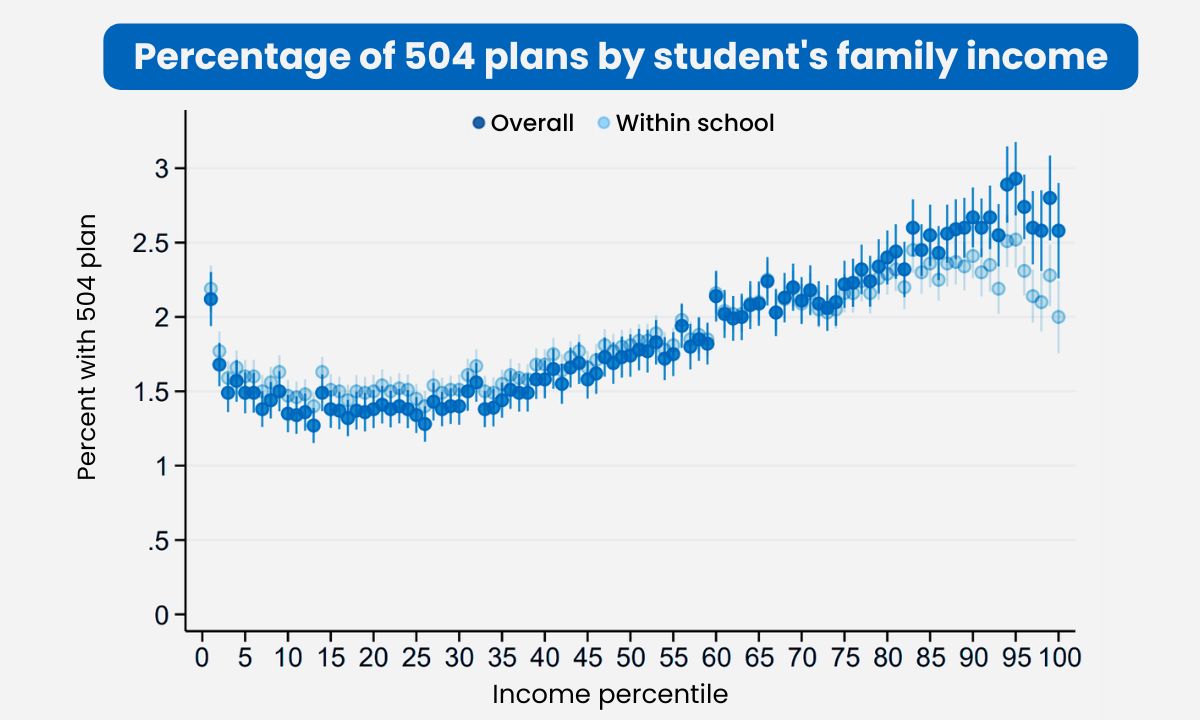
The 74: Wealthy Students More Likely to Get Disability Accommodations, Study Finds
A working paper from the Annenberg Institute at Brown University found that while low-income students were more likely to be given an Individualized Education Program (IEP), high-income families were more likely to be granted special education accommodations under Section 504. IEPs provide students with individualized instruction, including placing them in a special education classroom. A 504 plan is subject to fewer legal requirements and ensures students have equal access to learning opportunities. The researchers utilized academic data and IRS tax files from students in Oregon to capture disabilities reported and the type of services received. While they hypothesized that low-income students would be more likely to have a 504 and an IEP plan, it was unclear why high-income students were more likely to have a 504. The researchers share possible reasons for this trend, including that wealthier parents may be more likely to encourage a 504 plan, high-income students may be more at risk of a mood or anxiety disorder, which often requires accommodations through a 504 plan, or that education officials may be biased in requiring more legal documentation for low-income students to prove they have a disability.
Nature Communications: Non-Cognitive Skills Mediate Education-Related Polygenic Score Associations With Academic Achievement Across Development
Researchers from the United Kingdom and Germany examined the relationship between non-cognitive skills (e.g., motivation, attitudes, and behaviors) and genetic prediction of academic achievement in children. Previous studies have explored how genetic dispositions influence academic achievement; one study examining twins found that 40-60% of the differences in educational attainment and academic achievement can be attributed to genetic factors. The current study examined children between seven and 16 years old. Analyses indicated that non-cognitive skills, especially those most linked to learning, such as academic interest, curiosity, and self-efficacy, explain the relationship between genetic disposition and academic achievement. These mediation effects persist throughout development. The findings indicate that while genetic disposition or environmental factors may boost children’s academic achievement, creating opportunities for children to build their non-cognitive skills can also contribute to improvements in school.
RAND: Reading Full Books in Secondary English Language Arts Classrooms
RAND released a report on the prevalence of reading in secondary English Language Arts (ELA) classrooms. Educators have been concerned about students’ declining literacy scores, at the same time that teachers have increasingly shifted from reading full books to textbook excerpts. Utilizing data from the 2025 American Instructional Resources Survey, the researchers examined survey responses from over 3,000 ELA teachers. During the 2024-25 school year, two-thirds of secondary ELA teachers assigned between one and four full books for their students to read. However, teachers in high-poverty schools with a majority of students of color, multilingual learners, or students with disabilities were less likely to assign full books to students. This disparity in reading assignments is present as early as elementary school. The researchers recommend that more full books be included in the curriculum that reflect the student population and are enjoyable for students to read.
Policy
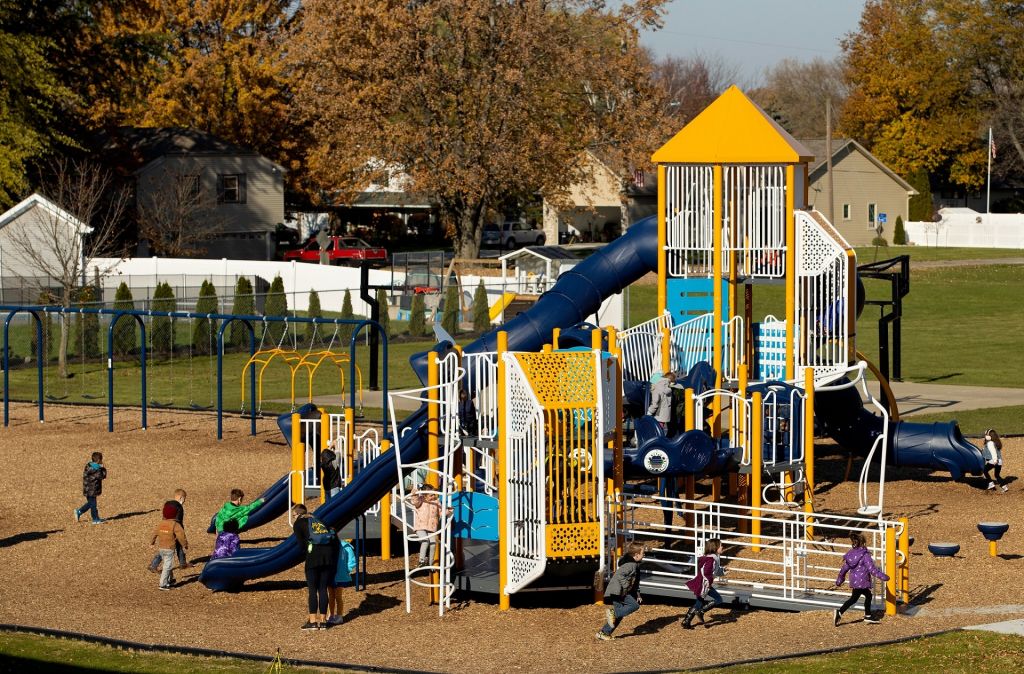
AP News: Pediatrics Group Issues New Guidance on Recess for the First Time in 13 Years
A new policy statement from the American Academy of Pediatrics updates its 2013 recommendations to protect recess time at school. It states that recess should never be withheld for academic or punitive reasons, as often, students who are struggling need the benefits of recess the most. Recess has numerous impacts on children’s academic, social-emotional wellbeing and health through all stages of development. It helps students manage stress, build relationships with their peers, and reinforce healthy habits. However, since the 2000s, 40% of school districts in the United States have reduced or eliminated recess. The pediatric group recommends ways to improve recess quality, including using outdoor spaces, having multiple breaks throughout the day, balancing safety with “risky play,” and incorporating students in the recess planning process. Pediatricians should work with parents, educators, and mental health professionals to ensure that students have enough opportunities for free play.
See also: New Law Doubles Elementary Recess Time in Oklahoma Schools
Politico: Education Department Launches Hiring Spree in Key Office, Roughly a Year After Mass Layoffs
In March 2025, the U.S. Department of Education’s Federal Student Aid office experienced some of the most significant staffing cuts as the government reduced its number of employees. Now, the office is seeking to hire 334 full-time employees by the end of the year. The total number of full-time staff would reach 1,065, still a decrease from the 1,568 staff members during the Biden administration. The office manages financial aid programs, including administering forms, supporting student debt programs, and enforcing financial aid requirements. The department is recruiting technology specialists, program analysts, and attorney advisors. Of the new hires, a portion of the staff will help colleges comply with Title IV, which supports student aid programs and investigates accusations of fraud. Other new employees will support higher education program management.
Around the Nation
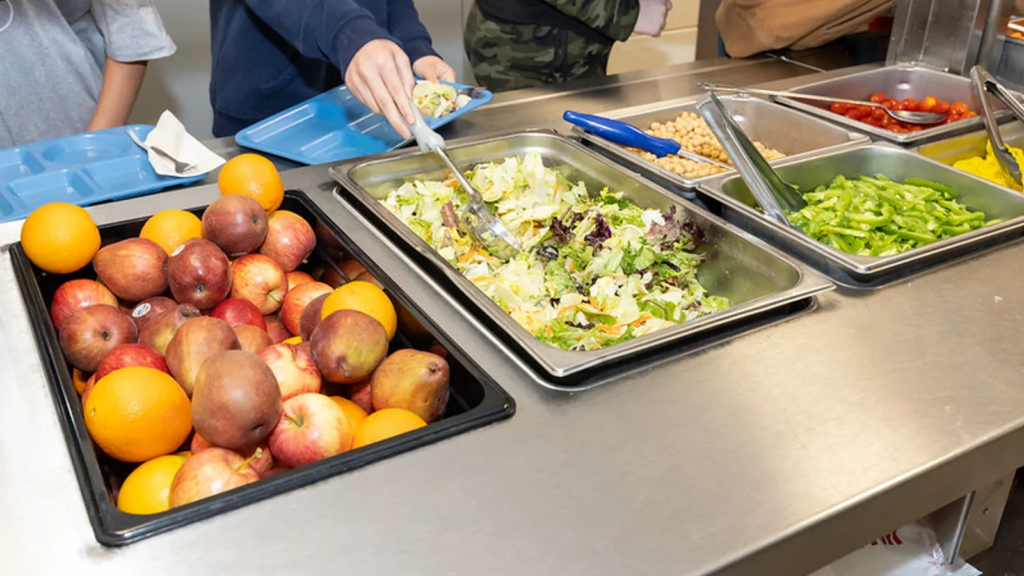
K-12 Dive: Schools are Digging Into The Science of Food
Schools across the country are using food to teach science in an engaging way. Tenth graders at St. James Public Schools in Minnesota participate in a program led by their health teacher and staff from the school’s food service provider. Students prepare and cook 23 meals for the school over two months, focusing on nutritious ingredients and food that represents the predominantly Hispanic community. They also propose meal choices, many based on family recipes. Eighth graders in the school learn about sugar and salt intake, prepare a healthy snack for their classmates, and cook a meal for their family at home. Additionally, the health teacher at Clayton High School in Missouri teaches her students the importance of balanced nutrition to support their health and well-being. They learn about carbs, protein, and fat to design “performance plates” that help them to recognize and prepare easy, nutritious, and enjoyable foods.
Chalkbeat: These Indianapolis Students Saw Democracy Firsthand as Primary Election Poll Workers
Students at Lawrence North High School in Indianapolis, Indiana, served as poll workers on Primary Election Day. The state permits 16- and 17-year-old high school students to serve as clerks for an election day—a civic-minded way for students to get paid and contribute to the community. They must have at least a 3.0 GPA, receive permission from their school principal and guardian, be a U.S. citizen, and reside in the county where they will work as a poll worker. The law helps fill critical election responsibilities, including setting up voting sites and helping voters check in to receive their ballot. Students wanted to work on election day to become politically active before they are old enough to vote. One student shared, “It just felt nice to do something to help where I’m needed.”