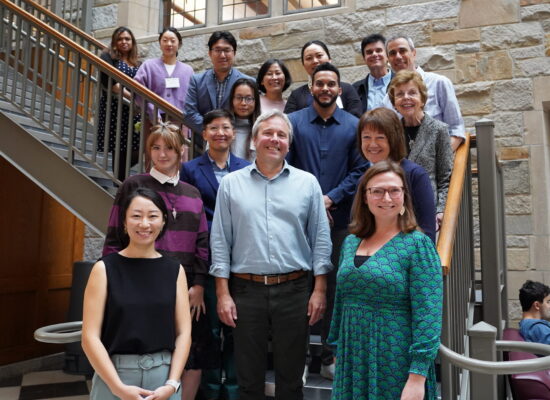
City Connects Coordinators have a big job. They bring educators, school leaders, support staff, students, families, and community organizations together around a common goal: to foster the strengths and address the needs of students. It’s not easy, but they don’t have to do it alone. City Connects has a robust professional learning structure that ensures Coordinators have the tools they need to succeed.
“City Connects is a very comprehensive practice. There’s a lot of complexity to it. So Coordinators need training in how to execute their role, how to set up structures and be the steward of the City Connects system in their school,” said Judith Alexander, Senior Manager of Learning and Development at the Mary E. Walsh Center for Thriving Children. “We want to make sure Coordinators know they aren’t alone; they are part of a community of practice and there are a lot of resources and support, like coaching and professional development, that will help them get through.”
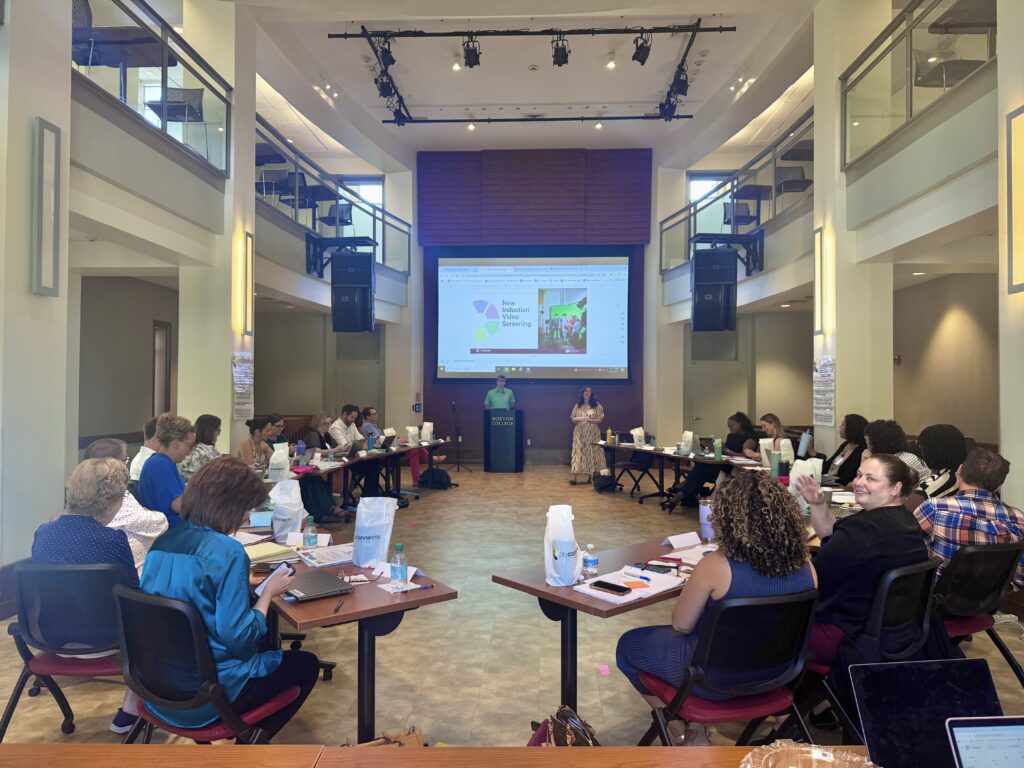
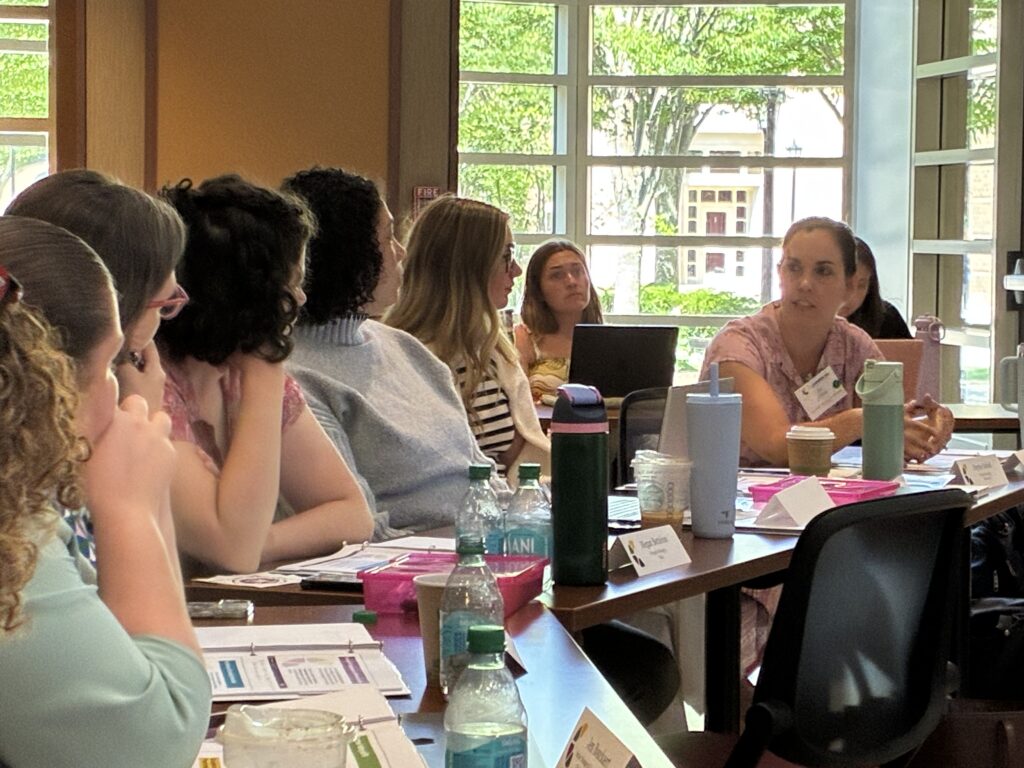
For new Coordinators, this process starts with a three-day, in-person training before the school year begins. Coordinators gain an understanding of City Connects as a systemic approach, learn about the origin and impacts of City Connects, and delve into the how-to for key components of the practice.

“Adult learners need to understand the big picture. They need the why, and they also need the how. Induction training aims to provide Coordinators with that initial entrée of information and a vision of what the approach is and how to execute it. It’s important for them to walk into the year having a vision of what it’s going to look like from start to end,” said Alexander, an experienced learning designer, who creates and updates the instructional materials used to support Coordinators.
After their induction training, once the school year begins, Coordinators receive training from their Program Managers—who are trained by City Connects Coaches—while learning from one another in a community of practice. They also receive one-on-one coaching from their Program Managers. Coordinators receive “just-in-time learning” throughout the year so that they are able to delve into the topics and components of the City Connects practice in greater detail as they need it. For example, Coordinators receive training on how to do Whole Class or Whole Grade Reviews shortly before they begin them. Program Managers adapt their training schedules to meet their unique school calendars.
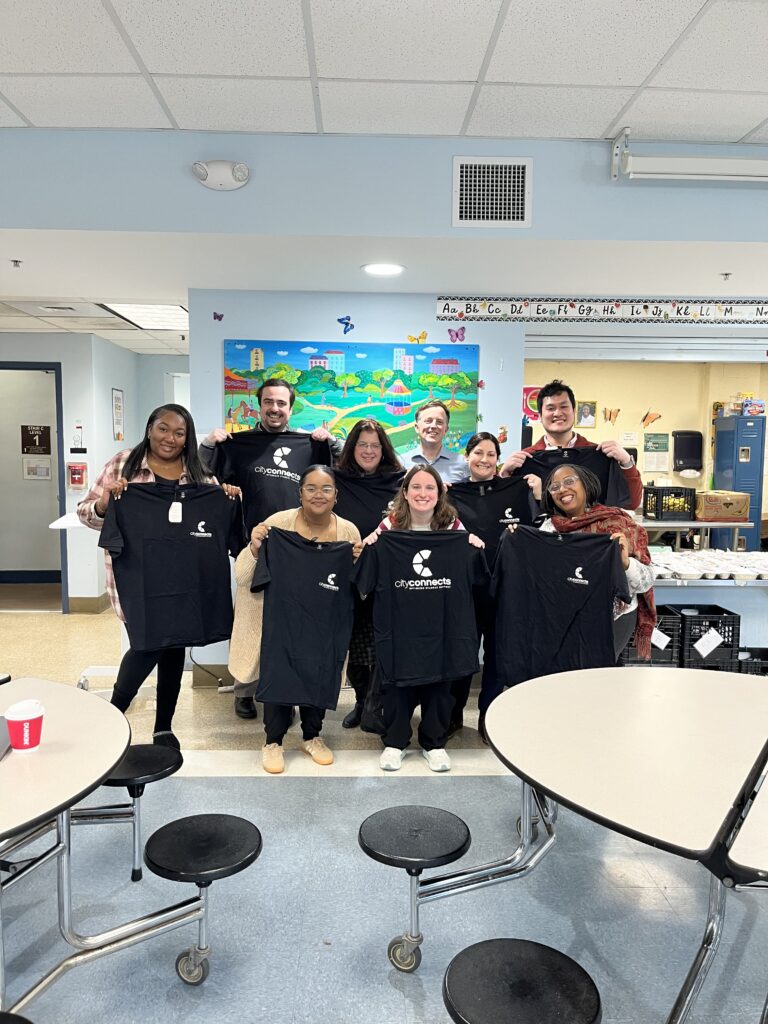
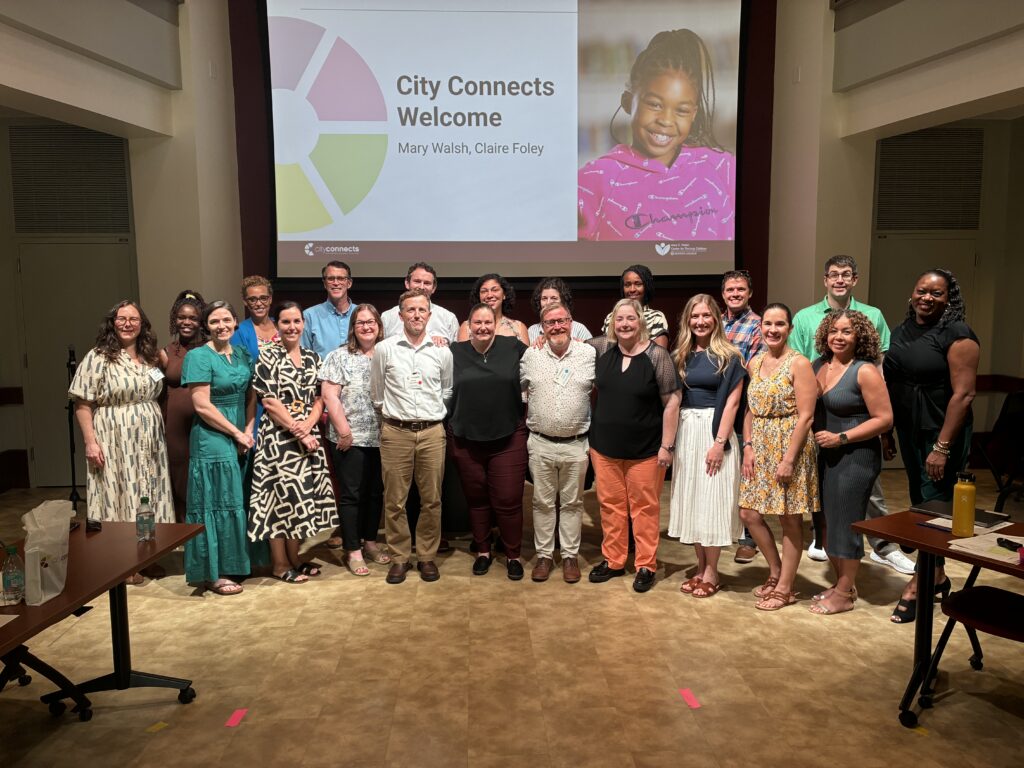
“We want to make sure Coordinators have ‘just-in-time’ learning—the information and set of tools they need to begin each component of the City Connects practice right before they will implement it in their schools,” Alexander said.
A key part of the City Connects model is focused on fostering the strengths of students, caregivers, and communities. This philosophy is embedded in the professional learning opportunities for Coordinators as well, ensuring that the strengths of Coordinators themselves are a key focus.
Professional learning is adapted to fit the needs of individual schools and individual learners. A Coordinator who is implementing their first year of City Connects will need a different training than one who is implementing their fifth year.
“These are good problems to have, when you have Coordinators that you’re retaining and they’ve developed enough expertise that they need different things than some of the people sitting next to them who happen to have started at a different time. People also learn at different rates, one person might be ready for the next topic, whereas others might want a little bit more time with a specific topic,” explained Alexander. “The key to all of this is differentiation. While the City Connects system and the core elements of practice are always the same everywhere, the implementation of professional learning has to be responsive to the people in the room and the setting in which it is being implemented.”
Alexander and her colleagues are constantly adapting professional learning sessions to best meet the needs of Coordinators.
“We think of our professional learning as a system that can be continuously improved. We are doing the same things iteratively every year and we hope that how we’ve done it in the past can be a starting point for where we improve. We can try new things to respond to some of the obstacles that may have come up and hopefully build off of the successes” said Alexander.
To develop professional learning tools, Alexander says it is critical to tap into the expertise of the City Connects community itself.
“The Program Managers and the Coordinators themselves bring knowledge and experiences. One of the most important approaches we take in designing professional learning is to center that expertise and to acknowledge that incredible resource,” said Alexander. “Our greatest asset is our people and we would be remiss if we did not center them in the creation of learning resources that power our amazing community of practice.”