Here’s the new edition of The Weekly Connect. Check it out and sign up to have it delivered to your inbox!
Spanish study links early childhood emotional skills directly to age, cognition, and communication.
SNAP cuts reduce free school lunches, increasing meal debt for local districts.
California schools convert empty classrooms into early childcare centers as enrollment drops.
Research and Practice

Frontiers in Psychology: The Development of Emotional Intelligence in Childhood: Associations With General Developmental Abilities
A new study from researchers in Spain examined emotional intelligence and other developmental abilities of children between the ages of four and six. Emotional intelligence—defined as the ability to express, understand, and regulate emotions—is linked to beneficial outcomes later in life, including better mental health, academic performance, and empathy. The present study assessed children’s emotional intelligence and developmental status through different measures. The researchers found that emotional intelligence was significantly associated with age and other general developmental abilities. More specifically, cognitive ability predicted the ability to understand and manage emotions, whereas the ability to communicate predicted emotional understanding. These associations suggest that emotional intelligence is part of broader developmental processes with specific connections to cognitive and communication abilities. The researchers recommend integrating emotional intelligence skills into activities for children in early childhood settings to improve their social-emotional development and general growth.
WBUR: Mass. Teachers Report Widespread Anxiety and Depression Among Students, Survey Finds
Researchers from the University of Massachusetts Amherst conducted the first “Annual Massachusetts Educator Survey” to capture the views of the state’s public school teachers. While mental health rates have improved nationally and in the state since the pandemic, teachers share that their students still have widespread challenges. Out of nearly 1,200 respondents, 94% of teachers said that anxiety and depression were problems for their students, which may be linked to high exposure to social media and artificial intelligence. Teachers also reported that many of their students faced significant challenges related to poverty, homelessness, and immigration status. They shared that higher pay, more school counselors, and greater administrative support would encourage them to stay in the profession in the face of increased difficulties among students.
Policy

The Washington Post: As SNAP Rolls Shrink, Free School Lunches Disappear
The Supplemental Nutrition Assistance Program (SNAP) is undergoing the largest funding cuts in the program’s history, as well as stricter eligibility rules. Fewer children are receiving SNAP, which has changed some schools’ eligibility to participate in the federal reimbursement program, the Community Eligibility Provision. Many school districts have felt the direct impact of these cuts. Last year, 70% of school lunches across the country were free meals, with more than 55,000 schools participating. At Knox Community School Corporation in Indiana, two-thirds of students qualified for free and reduced-price meals. This year, only 44% of students qualify. The need for food has not changed; so far, students have racked up $10,000 in lunch debt in the district. Experts believe the high costs of school meals and changes in school and federal budgets will only further reduce the number of free school lunches in the future.
Chalkbeat: For Undocumented Students, the Path From High School to College Is Shrinking
Changes in state and federal policies have led to fewer higher education options for undocumented students. Over the past two decades, states had policies that allowed undocumented high school students to pay lower in-state college tuition. Many were also given a pathway to work authorization and protection from deportation through the Deferred Action for Childhood Arrivals program. Recently, the Trump administration sued states to end in-state tuition policies and pressured others to end career and technical education programs for undocumented students, with several states making changes. In Texas, universities did not receive clear directions on how to enforce these new policies for the tens of thousands of undocumented students in the state. College counselors reported that many students are delaying their college enrollment based on the new policy and are encouraged to find alternative programs that can help them build relevant skills.
Around the Nation
The 74: The California Districts Are Losing Students — But Gaining Infants and Toddlers
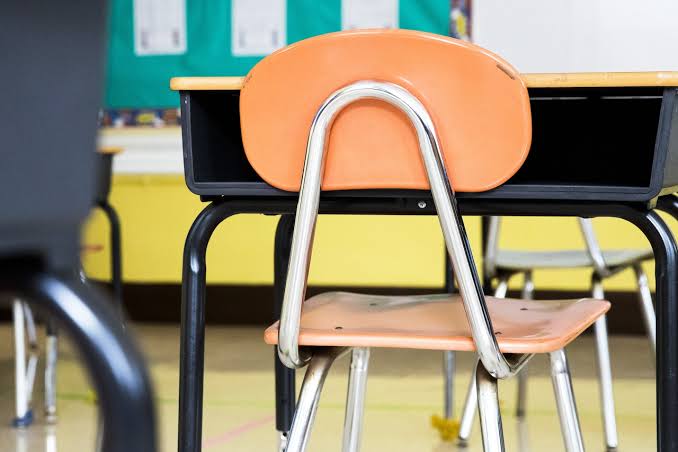
Districts across the country have seen a decline in K-12 enrollment, likely due to lower birth and immigration rates. As California invests in subsidized childcare for low-income families, districts have begun repurposing elementary classrooms for early childhood programs. The Los Angeles Unified School District board voted to expand the district’s early education programming, use empty elementary school classrooms for preschool students, and reopen other closed child care centers. These efforts will double the district’s infant care program capacity. Leaders in Los Angeles hope that these new initiatives will attract families to enroll in the district’s elementary school because they already have an established relationship with the district. An expert from the Urban Institute shared that schools will need to conduct personalized outreach to families to boost kindergarten enrollment rates, which was effective in similar Washington, D.C. and Boston programs.
K-12 Dive: Students Vote on How to Spend $25K At This New York High School
Students at Saratoga Springs High School in New York were given $25,000 in district funds to improve their school. The director of personnel development at Saratoga Springs City School District came up with the idea to involve students in the fundraising process, as well as to help them feel ownership of the school grounds after vandalism incidents. Several students were chosen to lead a committee and narrowed down ideas for projects from the student body. Students voted on five options: bocce courts, a grill for the school cafeteria, feminine hygiene products in bathrooms, bathroom privacy upgrades, and new outdoor water bottle dispensers. Students felt engaged throughout the proposal and voting process, especially because they used official voting machines alongside volunteer poll workers. The cafeteria grill won, and students attended a ribbon-cutting ceremony, with food cooked on the grill, to celebrate.