Here’s the new edition of The Weekly Connect. Check it out and sign up to have it delivered to your inbox!
U.S. Academic and well-being trends reflect global efucational shifts.
State ballot initiatives offer direct route for early childhood funding.
Shifting demographics present financial and operational challenges for districts.
Research and Practice

Development and Psychopathology: The Secondary School Transition as a Turning Point For Internalizing Symptoms: Trajectories, Correlates, and Early Adulthood Outcomes
Internalizing disorders, such as anxiety and depression, are the most common mental health disorders in late adolescence, which can impact their well-being and success later in life. Researchers from the University of Ottawa examined whether internalizing symptoms develop continuously between grades five and 12 or are disrupted during the transition from primary to secondary school. In the present study, participants were recruited at age 11 and completed surveys on internalizing symptoms and life experiences until they turned 18. The researchers found nonlinear development of symptoms in primary and secondary school, with differences among certain groups. For example, girls and youth with lower household incomes, higher bullying rates, or lower social support had more elevated internalizing symptoms, which increased in secondary school. The researchers recommend that schools screen for internalizing symptoms beginning in elementary school and create interventions to support adolescents’ mental health, especially during the transition to high school.
Brookings: A Snapshot of America’s Schools: Trends and Global Comparisons
A new Brookings report examines student outcomes, well-being, and daily activities in the United States compared to other peer countries. The researchers found that students in the U.S. continue to have declining NAEP math and reading scores. While U.S. scores in reading and science compare favorably to peer countries, it is because peer countries are also experiencing a decline in scores. The research revealed a large gap between students with high and low test scores, indicating a growing disparity in academic outcomes among test takers. Fifteen-year-olds in the U.S. reported high rates of depression and school disengagement, and they spend more time on social media and video games compared to their peers. The researchers suggest that major shifts in the educational landscape have influenced these findings, including changes to education funding, increased technology use, and the popularity of generative artificial intelligence.
Policy
As Texas Schools Add Police Officers to Campuses, Some Students Are Facing Serious Charges
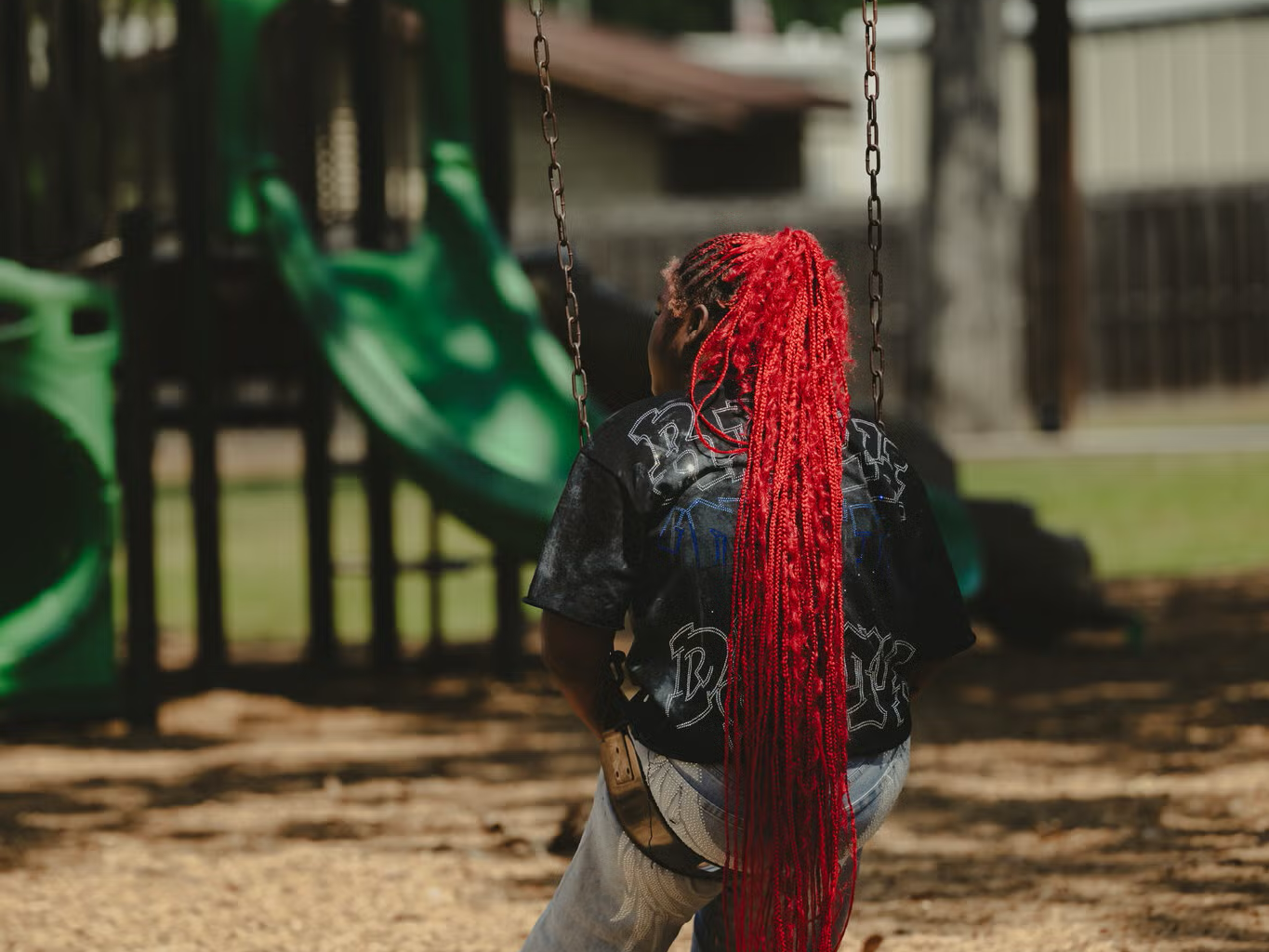
School districts across Texas have increasingly utilized police officers to address student misbehavior. Efforts towards safer campuses in Texas became a top priority after a shooting at an elementary school in Uvalde in 2022. In 2023, a state law was enacted that requires a police officer at every public school. Although they are not supposed to engage in “routine student discipline,” the law does not specify how officers can respond to violations. Since these new initiatives were created, the number of young children being referred for prosecution has increased significantly; in the 2024-25 school year, around 4,800 10- to 13-year-olds were referred, a third more than a decade ago. Research has found that involvement in the juvenile justice system can hurt academic performance and is more likely to lead to contact with law enforcement in the future. A superintendent worked to lower referrals in schools by making arrests a last resort for behavioral issues and regularly monitoring law enforcement data.
The 74: Early Childhood Funding Is Increasingly in Voters’ Hands
A record six U.S. states—Arizona, California, Colorado, Maryland, Missouri, and Texas—have early childhood funding on the ballot this November. The increase may be due to legislators and advocates recognizing how pandemic-relief aid improved the lives of families and that more sustainable funding is needed to strengthen early childhood services. Often, securing money through ballot measures can be more effective than adding funds through a state budget or grant because it is decided by voters and is more difficult to change in the future. Many of the measures secure funding for early childhood and families from existing state revenues; for example, measures in Colorado focus on redirecting additional state revenue towards public services, such as early childhood support and K-12 funding. Additionally, in Baltimore, Maryland, a proposed measure would use existing city revenue for a “Baby Fund” which would support the city’s families and newborns.
Around the Nation
WWLP: School Enrollment Decline Raises Big Education, Economic Questions
In the 2025-26 school year, K-12 enrollment in Massachusetts fell to its lowest level since 1994, at the same time as a decrease in births in the state. Changes in enrollment differed between districts. Rural and small-town locations lost 11.6% of their students over the last decade, which is the largest decline of any type of school. Meanwhile, in Boston, public kindergarten enrollment is down, suggesting that families may leave the city before children reach school age. In Chelsea, which has the highest percentage of foreign-born residents in Massachusetts, enrollment declined around six percent due to immigration enforcement in the area. The district no longer has options to further reduce spending; declines in funding and rising prices have led to electives, sports, and arts being cut in the district. A member of the newly formed state commission to review aid to school districts shared that Massachusetts officials should develop creative strategies to encourage families to raise children in the state as well as support the local economy.
Ohio Capital Journal: Cincinnati Public Schools Has Served Hundreds With First-In-The-Nation Sleep Lot for Families
Cincinnati Public Schools in Ohio is the first school district in the country to own and operate a lot where families experiencing homelessness can park and sleep in their cars. Cincinnati’s Safe Sleep Lot is operated by Project Connect, which supports students in the district experiencing homelessness. Nearly eight percent of students experienced homelessness in the last school year. The district noticed an increase in families who were sleeping in their cars and how it impacted children’s ability to learn and parents’ ability to work or apply for jobs. The Safe Sleep Lot can house up to 12 cars. Families receive food and hygiene supplies, and the lot is equipped with security, a library, WIFI, a kitchen, and bathrooms. Students will soon also have access to an on-site tutoring program. After families spend a night in the Safe Sleep Lot, they are added to a shelter waiting list and qualify for a hotel stay.
AP News: Dogs Bring Calm and Joy to Students Following Shooting at Colorado High School
Students at Evergreen High School in Colorado find joy and comfort from two golden labs after experiencing a school shooting in September 2025. The dogs, Norene and Polenta, are part of Canine Companions, an organization that provides trauma support dogs free of charge. They are the first dogs to be matched with a school following a school shooting. Students make a point to see and play with the dogs regularly, and they were even crowned prince and princess at the homecoming football game. Research has found that school shootings often lead to lower test scores and declines in students’ ability to concentrate. However, at Evergreen, AP test scores increased, and they had a 100% graduation rate last year. One student shared, “[Having] these dogs in the school is amazing because… when, honestly, anything puts our mood kind of down, the dogs are there. I would think people do a lot better in school when they’re actually in a good mood…”