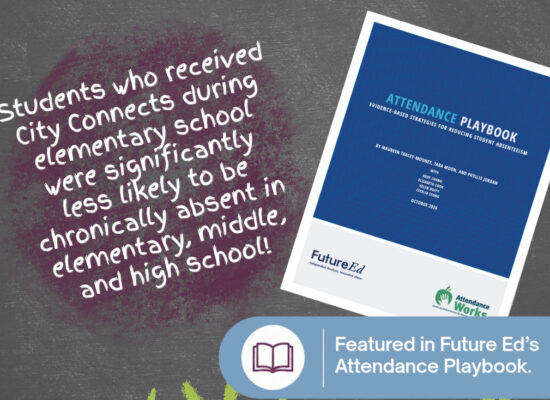
Here’s the new edition of The Weekly Connect. Check it out and sign up to have it delivered to your inbox!
In-person friendships boost teen moods more than online interactions.
Voters across multiple states approve local funding for child care and youth services.
Maryland expands parenting and resiliency training for fathers.
Research and Practice

JAMA Network Open: State Summer Electronic Benefit Transfer and Food Insufficiency
A new study from JAMA Network Open is the first to measure the impacts of the Summer Electronic Benefit Transfer Program (SEBT) on addressing food insufficiency, defined as not having enough food during the previous seven days. SEBT was launched by the United States Department of Agriculture in 2010, and low-income families receive $120 total per eligible child over the summer. In the present study, researchers used data from the Household Pulse Survey to measure household and child food insufficiency. Food insufficiency increased during the summer months; however, only one-third of SEBT-eligible households opted into receiving these benefits. Among the families that did receive benefits, there was no change in their food insufficiency frequency. These findings suggest that the low amount each family receives is not enough to improve their food access. To increase the beneficial impact of the SEBT program, the researchers suggest that policymakers focus on more widely publicizing the program, making it easier to enroll in, and increasing the financial support distributed to low-income families.
Development and Psychopathology: Adolescents’ In Vivo Emotional Responses to Digital and In-Person Peer Experiences: Differences by Context and Links to Daily Life Depressive Symptoms
Previous research has found a link between the increasing rates of adolescent depression and digital media usage. Researchers from the University of Pittsburgh and Brown University examined whether in-person or digital experiences with peers were related to adolescents’ moods and depressive symptoms. Girls aged 12 to 17 were recruited from the Teen Screen Time, Emotional Experiences, and Neuroscience Study. Over three months, they reported their best and worst peer interactions, whether they were online or in person, and their moods. The researchers found that negative interactions, both online and in-person, were associated with increased negative affect and depressive symptoms. In contrast, positive in-person interactions were associated with a higher positive affect, while positive online interactions were not. These findings emphasize the protective role of positive in-person experiences, which can improve adolescent emotional well-being. Similarly, negative interactions through technology and social media are not the only explanation for the increase in depressive symptoms among adolescents.
K-12 Dive: Low-Income Elementary Math Achievers Underrepresented, NWEA Finds
A report from the Northwest Evaluation Association (NWEA) found that low-income students make up more than half of the U.S. student population, but only 20% are high-achievers in math. The K-12 assessment and research company analyzed its MAP Growth assessment, examining nearly one million U.S. students between 2021 and 2025. The researchers found that low-income kindergarteners who entered schools as high-achievers were more likely to lose their high-achiever status by fourth grade. While these students remained in the top 20% of the score distribution, their scores fell further than their higher-income peers. These findings may suggest that early math achievement is especially sensitive to differences in enrichment opportunities for students, including access to tutoring, parental advocacy, and stable learning conditions. The report recommends that schools and districts improve identification systems for high-achieving students, monitor student performance over time, and ensure that low-income students have opportunities to challenge themselves in math.
Policy
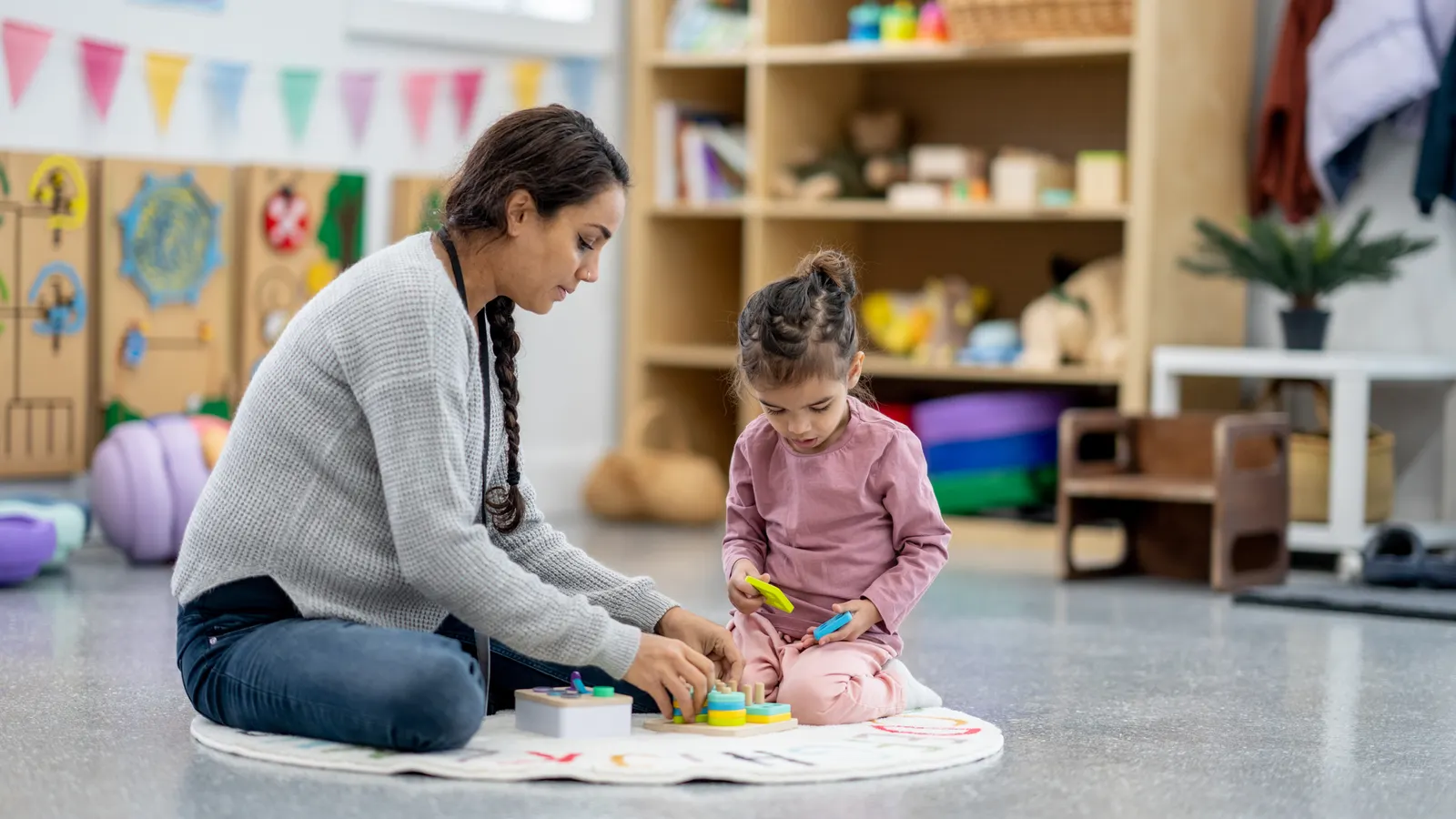
The Hechinger Report: Child Care and Pre-K Measures Won Big in Midterms
In the 2026 midterms, several measures were passed that support early childhood causes. Cities in California, Colorado, and Texas passed measures that use tax revenue to fund pre-K and child care programs. In Baltimore, voters approved a ballot question to amend the city’s charter to dedicate $0.03 for every $100 in taxable property value, estimated at $17 million in the first year, for a newly created Baltimore Baby fund. In Buchanan County, Missouri, voters approved a proposition using sales tax revenue, an estimated $4 million each year, to fund mental health services for children and youth. Newly elected officials across the country also campaigned on early childhood causes, including universal child care and pre-K, mandatory kindergarten, and expansion of the federal Head Start program. Some measures did not pass, such as a proposed sales tax in St. Louis, which would have raised $22 million for child care subsidies and grants to child care providers.
The Washington Post: Anti-Trans Measures on Youth Sports, Treatment Pass Despite Blue Wave
Voters in four states approved or strengthened limits on transgender athletes’ participation in girls’ sports. Over two dozen states have already adopted bans on transgender girls and women participating in female teams. Now, Colorado and Washington have joined the ranks. Arizona voters approved expanding limits on transgender participation in all schools and athletic associations, including restricting access to locker rooms based on sex at birth. Nebraska voters approved language that would make it harder for future legislatures to overturn the existing transgender sports ban. The majority of Americans oppose transgender athletes competing in girls’ sports. The organization Families Not Politics, an LGBTQ+ advocacy group, opposed the measures in Colorado and shared that the political campaigns turned transgender children into “statewide controversies.” These students will now “face new barriers to medically necessary healthcare and new, expensive barriers and exclusion from full participation in the school.”
See also: Why Blue WA Voted to Ban Trans Athletes From Girls Sports
Around the Nation
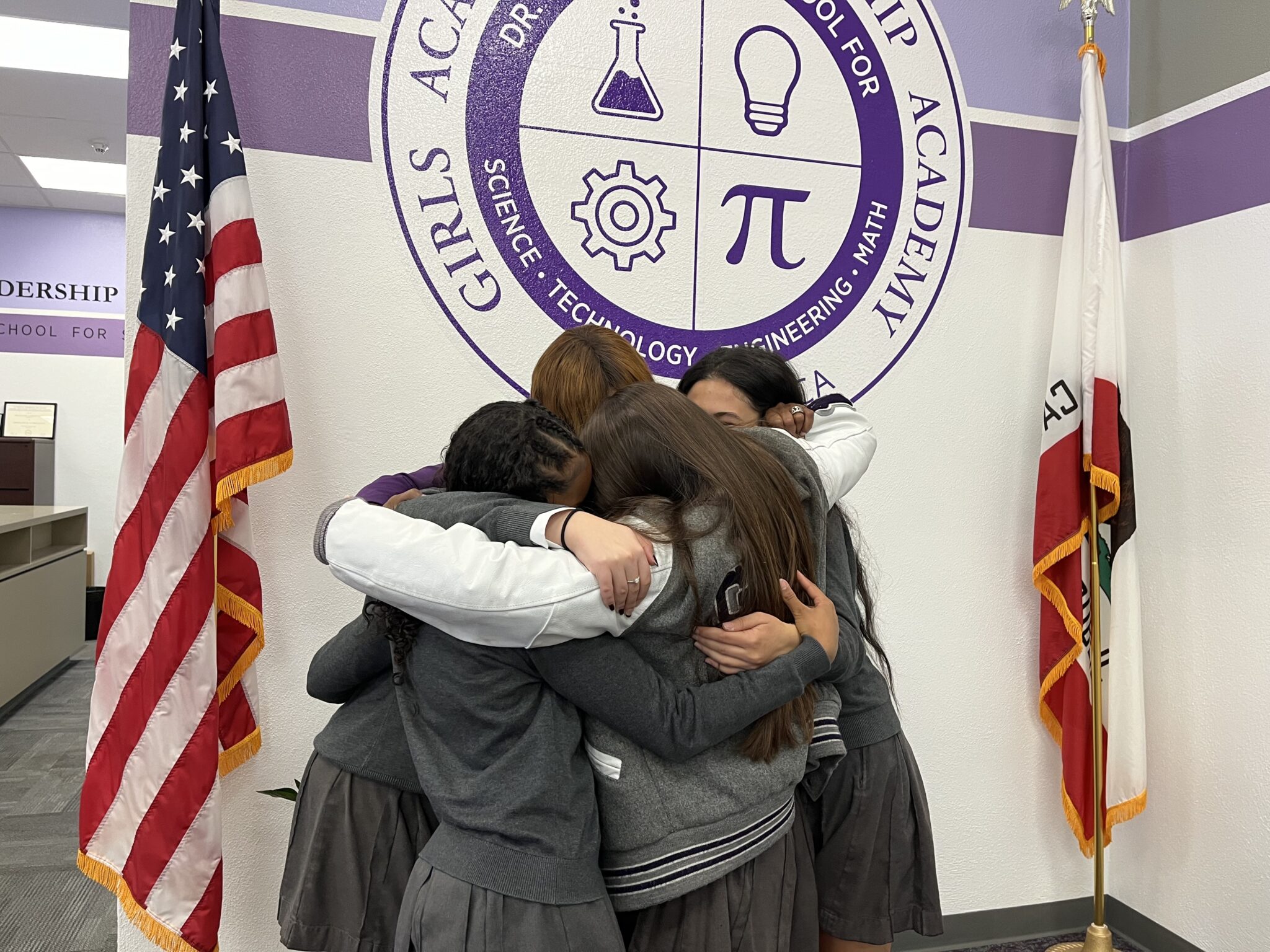
EdSource: ‘Go Out and Change the World’: Students Find Confidence, Community at LAUSD’s Single-Sex Schools
Los Angeles’ single-sex schools have increased students’ confidence, leadership skills, and sense of belonging. The Girls Academic Leadership Academy (GALA) and Boys Academic Leadership Academy (BALA) emphasize STEM education and expand opportunities for students historically underrepresented in the sciences and other technical fields, including boys of color and girls. GALA enrolls 712 students and has a waitlist of nearly 1,500, while BALA enrolls 65. Students at BALA are sorted into Harry Potter-like houses that help them build strong relationships with their peers. Students at GALA enjoy the Goddess Games at the beginning of the year, where students learn about teamwork. A junior shared that her STEM-focused education has made her want to “enter the medical field so [she] can learn how to advocate for the needs of other Black females and minorities and any sort of groups that might need the extra support that [they’re] not getting right now.
The Washington Post: Maryland, Parent Encouragement Program Partner on Training for Fathers
Maryland’s Parent Encouragement Program (PEP) was founded in the 1980s to close opportunity gaps and support long-term well-being for boys and young men across the state. Through a new partnership announced by Governor Wes Moore, up to 300 more fathers can participate in an eight-week Family Resiliency Program. The cohort prioritizes fathers from 30 communities in 13 counties with a high proportion of children living in poverty. Fathers meet weekly to learn and discuss parenting tools, including reflective listening and the “four S’s,” which help a child feel seen, safe, secure, and soothed. Other cohorts have also been offered for certain groups, such as Latino fathers and single parents. A 2025 report found that the majority of parents in PEP had a stronger bond with their child after participating, felt more capable and confident in their parenting skills, and saw positive changes in their children after the program.