Here’s the new edition of The Weekly Connect. Check it out and sign up to have it delivered to your inbox!
A home visiting intervention added to Head Start improved adolescents’ cognitive, social, and behavioral outcomes years later.
A new Oklahoma law introduces earlier reading interventions, retention policies, and expanded literacy support in schools.
Teachers are using more interactive and mindfulness-based strategies to address declining student attention spans.
Research and Practice

Development and Psychopathology: Preschool Home Visits Promote Adolescent Adjustment: Follow-Up of a Randomized-Controlled Trial
Previous research has found that parent engagement programs can enhance early learning and, therefore, reduce socioeconomic disparities when children enter formal schooling. The present study aimed to understand the impact of the Research-Based, Developmentally Informed (REDI) intervention, which supplements Head Start programming by providing parents with resources to support learning and social-emotional development at home. Researchers from The Pennsylvania State University used longitudinal data examining twenty-four Head Start classrooms in Pennsylvania that participated in the program in 2007 and 2008. Pre-kindergarteners were randomly assigned to participate in the home visiting intervention program, consisting of 16 sessions centered on skill development. The rest of the families received math activities in the mail. Children in the home visiting program had better working memory and perceived social competence, and lower levels of deviant peer affiliations and conduct problems in seventh grade. The research highlights the impact of providing parents with resources to support their young children’s academic and social-emotional learning, which continues to impact them as they enter adolescence.
The New York Times: Youth Suicides Declined After Creation of National Hotline
Research published in the Journal of the American Medical Association found that the rate of suicides for young people in the United States decreased by 11%, compared to projections, between 2022 and 2024. This difference resulted in over 4,000 fewer deaths by suicide for adolescents and young adults ages 15 to 34. The researchers also examined the impact of the 988 national suicide prevention hotline, which changed the U.S.’s previous hotline number to a three-digit code in 2022. The bipartisan investment also included $1.5 billion in funding to increase its capacity, which has served more than 25 million people. The ten states with the largest increases in 988 calls also experienced an 18.2% reduction in observed suicides compared to expected suicides. States with the lowest call center usage saw a smaller reduction in suicides, by 10.6%. Other interventions could also explain this effect, including more communities using suicide prevention programs, as well as the end of the pandemic.
Science of Learning: Executive Functions as Mediators of Early Educational Disparities by SES, Gender and Birth Month
Executive function—which is defined as the combined brain processes of working memory, inhibitory control, and cognitive flexibility—can be impacted by environmental factors and is a significant predictor of academic abilities. This research examined how family socio-economic status, child gender, and child birth month relate to pre-academic abilities (i.e., foundational skills needed before entering formal schooling), academic abilities, and executive function development. Examining data from over 2,000 children in France in their first year of formal schooling (around age three), results indicated that family socio-economic status is the most significant predictor of child executive function, likely due to children having more access to high-quality child care and enrichment activities. Older children had better executive function compared to younger peers in their grade. Girls also had improved executive function skills compared to boys. The study emphasizes the importance of initiatives to improve opportunities for children in disadvantaged groups to develop their executive function abilities, as disparities can lead to large gaps in academic skills as early as preschool.
Policy

News from the States: As Ohio Summer Meal Programs See Increased Use, Federal Cuts Make it Harder to Fight Child Hunger
Summer food program participation has increased in Ohio and across the country. However, increased federal budget cuts may impact how many children can receive these resources. Children can receive meals throughout the summer through the National School Lunch Program Seamless Summer Option, where children go to designated pick-up sites or sign up for home delivery to receive nutritious meals. Children who are eligible for free and reduced-priced lunches during the school year can also receive food through a 2024 federal initiative, the Summer EBT Program. Due to federal cuts and changes in eligibility for the Supplemental Nutrition Assistance Program (SNAP), children who lost their SNAP benefits will also lose their eligibility for free school meals. This new policy may consequently impact how the government determines which areas qualify for the program, which could lead to sites becoming ineligible to receive food.
See also: Education Dept., Not Labor, to Distribute Funds for Schools This Summer
Oklahoma Voice: Oklahoma Governor Signs Landmark Childhood Reading Bill into Law
Oklahoma’s Senate Bill 1778, which passed with bipartisan support, will lead to major changes in the state’s childhood reading policies. In the 2026-27 academic year, public schools will be required to intervene when children fall behind expected grade-level reading competencies. Third graders who score below a state reading test and fail a second literacy assessment will be held back from going to fourth grade, unless they qualify for an exemption. Children will also be placed into one of three tiers of reading instruction starting in kindergarten, with tiers two and three consisting of small-group interventions, tutoring, and other types of support. Additional funds will be used to fund more literacy coaches and reading specialists, raise teachers’ minimum salaries, and incentivize districts to improve their reading scores. Legislators are aiming to improve state-wide literacy, similar to Mississippi, which significantly improved their education rankings through research-based reading policies and initiatives.
Around the Nation
EdSurge News: Districts Relying More on Data to Identify Gifted Students
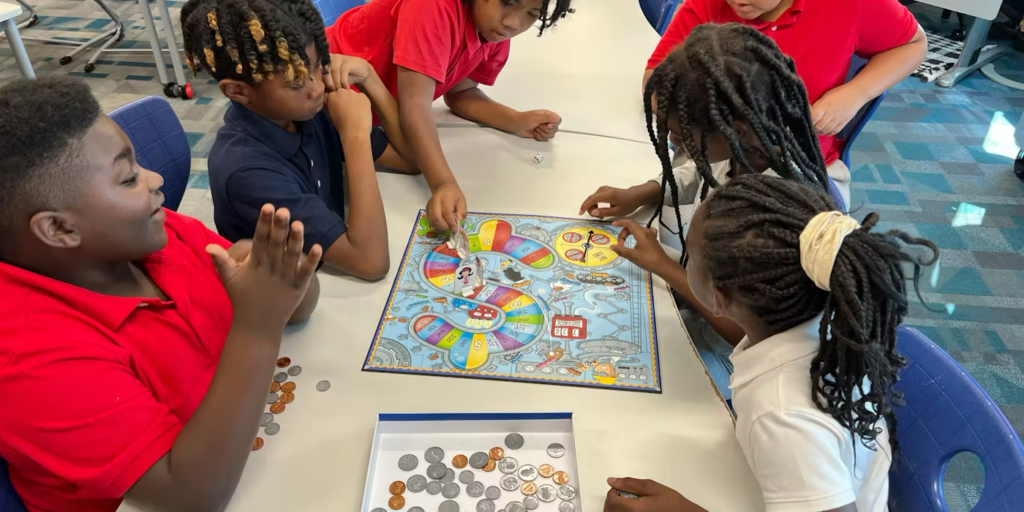
School districts with gifted and talented cohorts have undergone shifts in the way students qualify for these programs. Previously, schools would test students after a teacher or parent recommended them for the program, which led to bias in who was considered. States then would conduct universal testing, though the assessments used were also up for debate by educators. Schools are now shifting gifted and talented assessments to incorporate game-based data in the programs. In the Charleston County School District in South Carolina, high-income white children were three times more likely to be in the gifted and talented programs. Now, all fourth-grade students complete testing, which has increased the number of students identified from 40 to 150 across the district. The assistant academic director uses a “stretch or support system” that identifies students for gifted programs by focusing on their strengths and weaknesses through various games.
The Washington Post: The Tricks Teachers Are Trying to Fix Students’ Shortening Attention Spans
Since the pandemic, a growing number of educators have reported that their students’ attention spans have been getting shorter. This may be due to an increase in children’s screen time, including high exposure to short-form content. Educators have used a variety of methods to cope with their students’ shorter attention spans, including more engaged, hands-on learning and mediation practices. At McKinley STEAM Academy in Toledo, Ohio, fifth-grade students acted out the Earth’s rotation and revolution around the sun. Eighth graders studied genetics by using candy to represent different traits. In kindergarten, students start the day with a meditation where they pretend they are in the Arctic. Then they share mantras of what they can accomplish each day, such as “I can be a good student” and “I can listen to the teacher.” Teachers have noticed that these interactive activities have led students to be more engaged, feel empowered during the school day, and understand and remember more content.